Ganga recedes, leaving silt and waste at Varanasi ghats
Source Entity
Latest News: Todays Latest News Headlines from India & World | Hindustan Times | Hindustan Times
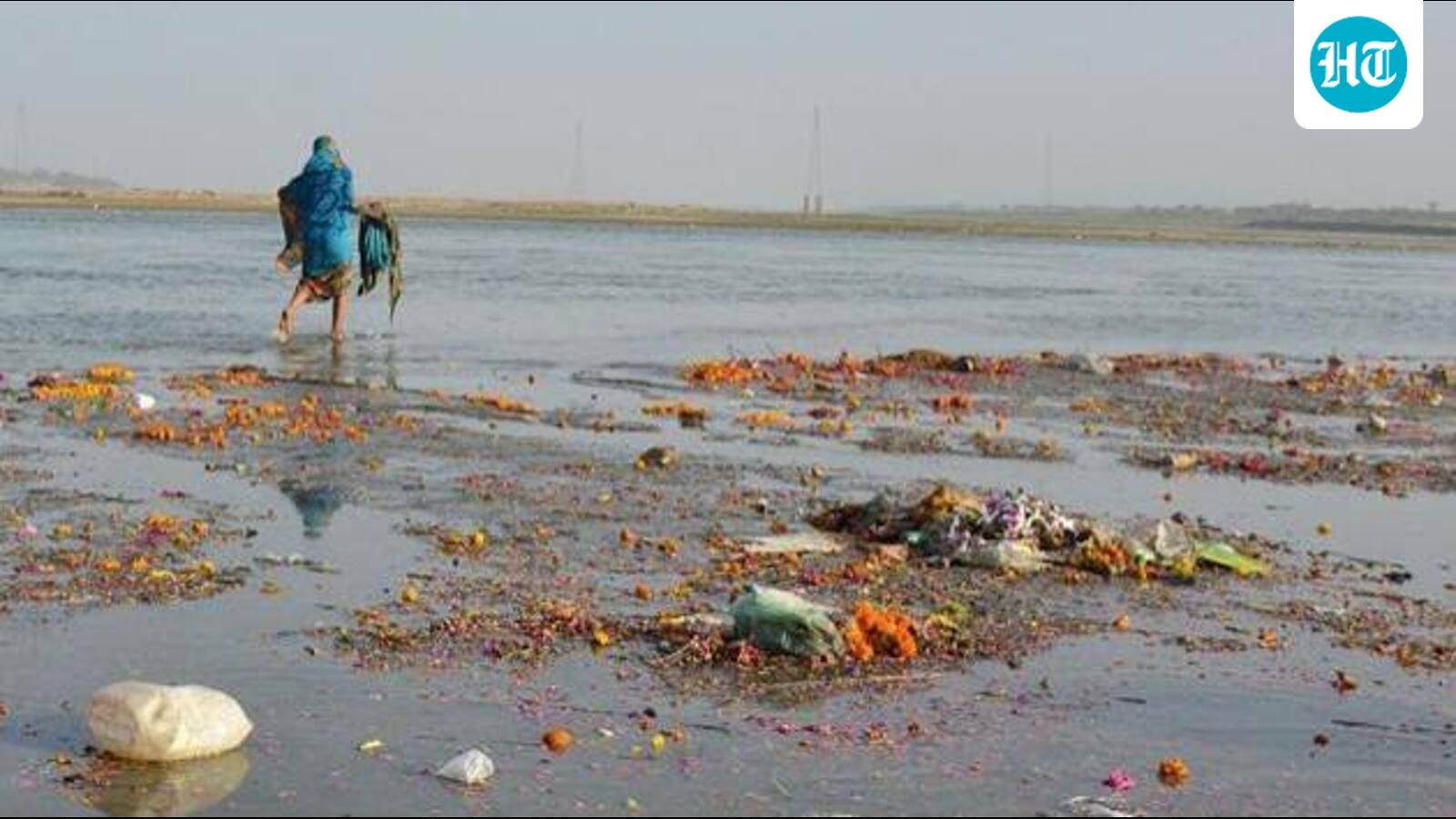
Following a recent flood, the receding Ganga River has left behind significant silt and debris across Varanasi's 84 iconic ghats. Local volunteers and the Namami Gange initiative are currently leading cleanup efforts to restore the riverfront.
The Post-Flood Restoration of Varanasi's Ghats
As the water level of the sacred Ganga River in Varanasi receded to 66.42 metres, the city’s historic landscape—comprising 84 distinct ghats—has begun to emerge from the floodwaters. While the reappearance of the iconic stone stairs and platforms is a welcome sight for residents and pilgrims, the recession has revealed a significant challenge: a thick layer of silt and accumulated flood waste that blankets the riverfront.
The Environmental Impact of Receding Waters
The phenomenon of silt deposition is a natural consequence of the monsoon cycle, where the river carries heavy sediment loads from the upper reaches. However, this year’s recession has compounded the issue by depositing urban debris and waste onto the banks. Areas such as Asi Ghat and the prominent Dashashwamedh Ghat have been notably affected, with the platforms becoming obscured by a mixture of river mud and refuse, posing both aesthetic and sanitation concerns for the city.
Community-Led Remediation Efforts
In response to the degradation of these heritage sites, a concerted cleanup effort has been mobilized. Operating under the umbrella of the 'Namami Gange' initiative—a flagship program dedicated to the rejuvenation of the Ganga—volunteers like Rajesh Shukla have taken the initiative to restore the accessibility of the ghats. By manually clearing the stairs and platforms, these volunteers are working in coordination with the Varanasi Nagar Nigam team to ensure the waste is properly collected and disposed of, rather than allowing it to wash back into the river.
The Cultural Context of Waste Management
A critical challenge highlighted by this event is the intersection of faith and environmental stewardship. As noted by local volunteers, a significant portion of the waste deposited on the ghats consists of flowers and ritualistic offerings. Many devotees cast these items into the river as an act of faith; however, when floodwaters rise and subsequently recede, this material is redistributed across the ghats, creating a cycle of pollution that complicates the maintenance of the riverbanks.
Future Implications and Sustainability
The ongoing cleanup highlights the broader necessity for sustainable waste management practices along the Ganga. While immediate manual labor is effective for post-flood recovery, the event underscores a need for long-term strategies that balance traditional religious practices with modern ecological preservation. As Varanasi continues to attract millions of visitors, the resilience of its 84 ghats will depend on both proactive infrastructure maintenance and heightened public awareness regarding the impact of organic waste disposal in the river.
Conclusion
The restoration of the Varanasi ghats is a testament to the community's dedication to preserving the sanctity of the Ganga. Through the collaboration of the Namami Gange volunteers and municipal authorities, the city is successfully managing the aftermath of the recent flood, ensuring that these historic sites remain functional and clean for the millions who rely on them for spiritual and daily sustenance.
Verification Required?