Some Congress leaders stalled probe into Modi in Gujarat riots case, claims Veerappa Moily
Source Entity
India Latest News: Top National Headlines Today & Breaking News | The Hindu
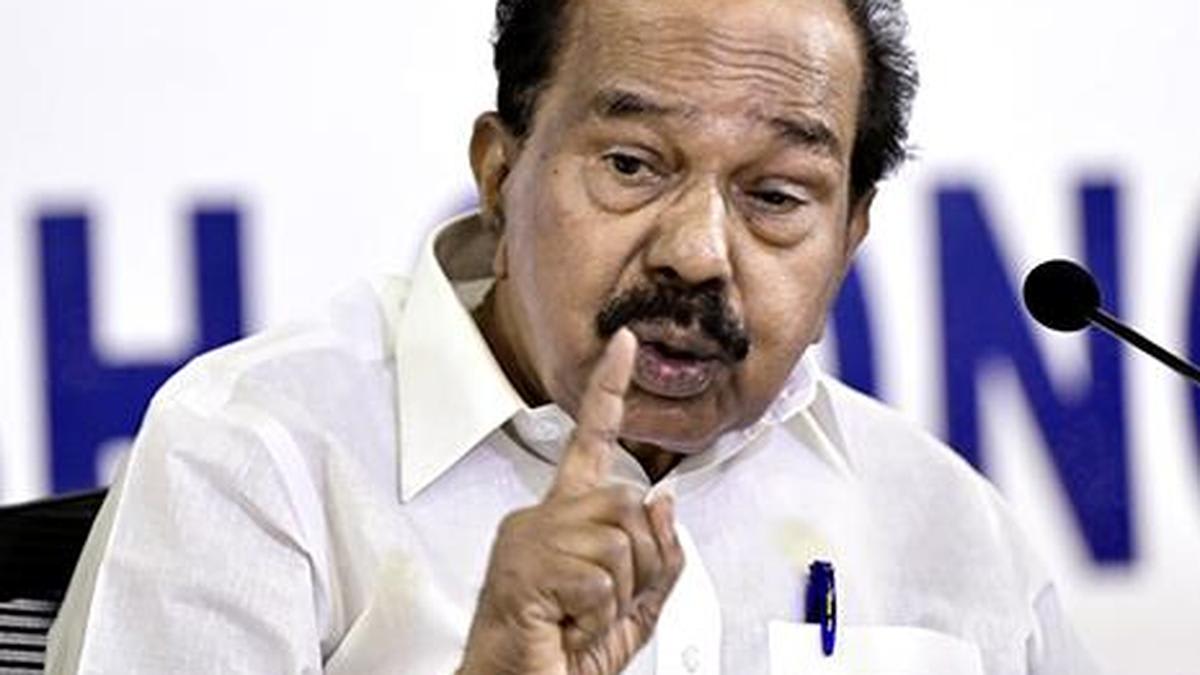
Former Union Minister Veerappa Moily has alleged that certain Congress leaders within the UPA government obstructed investigations into Narendra Modi during the 2002 Gujarat riots. The statement, made during a book release, also highlighted the historical legal challenges faced by Home Minister Amit Shah.
Allegations of Internal Obstruction in UPA-Era Investigations
Recent statements made by M. Veerappa Moily, a former Union Minister and former Chief Minister, have ignited a fresh debate regarding the investigative processes conducted during the United Progressive Alliance (UPA) tenure. Speaking at an event in Bengaluru, Moily alleged that specific leaders within the Congress party actively stalled inquiries into Prime Minister Narendra Modi concerning the 2002 Gujarat riots. This assertion suggests a complex internal dynamic within the previous administration, implying that political considerations may have influenced the trajectory of high-profile legal investigations.
Historical Context of the Gujarat Riots Cases
The 2002 Gujarat riots remain a seminal and contentious chapter in Indian political history. During his tenure as Chief Minister of Gujarat, Narendra Modi faced sustained scrutiny from investigative agencies and civil society groups. Moily’s comments suggest that despite the gravity of these cases, there was an alleged lack of unified political will or perhaps calculated hesitation within the central government of that era to pursue the investigations to their full legal conclusion. This perspective adds a new layer to the historical narrative of the UPA’s governance, suggesting that internal party disagreements may have played a role in how these cases were handled.
The Case of Amit Shah and Legal Reversals
Beyond the allegations concerning the Prime Minister, Moily referenced the legal trajectory of current Home Minister Amit Shah. Shah was arrested by the Central Bureau of Investigation (CBI) in 2010 regarding the Sohrabuddin Sheikh encounter case. Moily noted that Shah spent time in exile and faced trial outside of Gujarat before being discharged by a Mumbai special court in 2014. The discharge was granted based on a lack of evidence, a milestone that eventually paved the way for his return to the national political forefront.
Implications for Political Discourse
These revelations highlight the volatile nature of investigative politics in India. By claiming that some Congress leaders suppressed momentum in these probes, Moily brings into question the autonomy and perceived neutrality of central agencies during the UPA period. Such claims are significant because they suggest that the political outcomes—such as the rise of Amit Shah to the position of Home Minister—were influenced by the legal outcomes of that period. This narrative forces a re-examination of how legal accountability and political maneuvers intersect in the Indian democratic system.
Looking Toward Future Political Accountability
The discourse generated by Moily’s comments serves as a reminder of the enduring impact of the 2002 riots on Indian political discourse. As the nation moves forward, the legacy of these investigations continues to shape the strategies of major political parties. Whether these claims will lead to further scrutiny of the UPA's administrative decisions or simply remain a point of historical contention remains to be seen. Ultimately, the episode underscores the necessity for transparent and independent investigative processes that are insulated from the shifting tides of political influence.
Verification Required?