Should you Venmo your tuition? Here’s what to know as colleges add new payment options.
Source Entity
Genna Contino
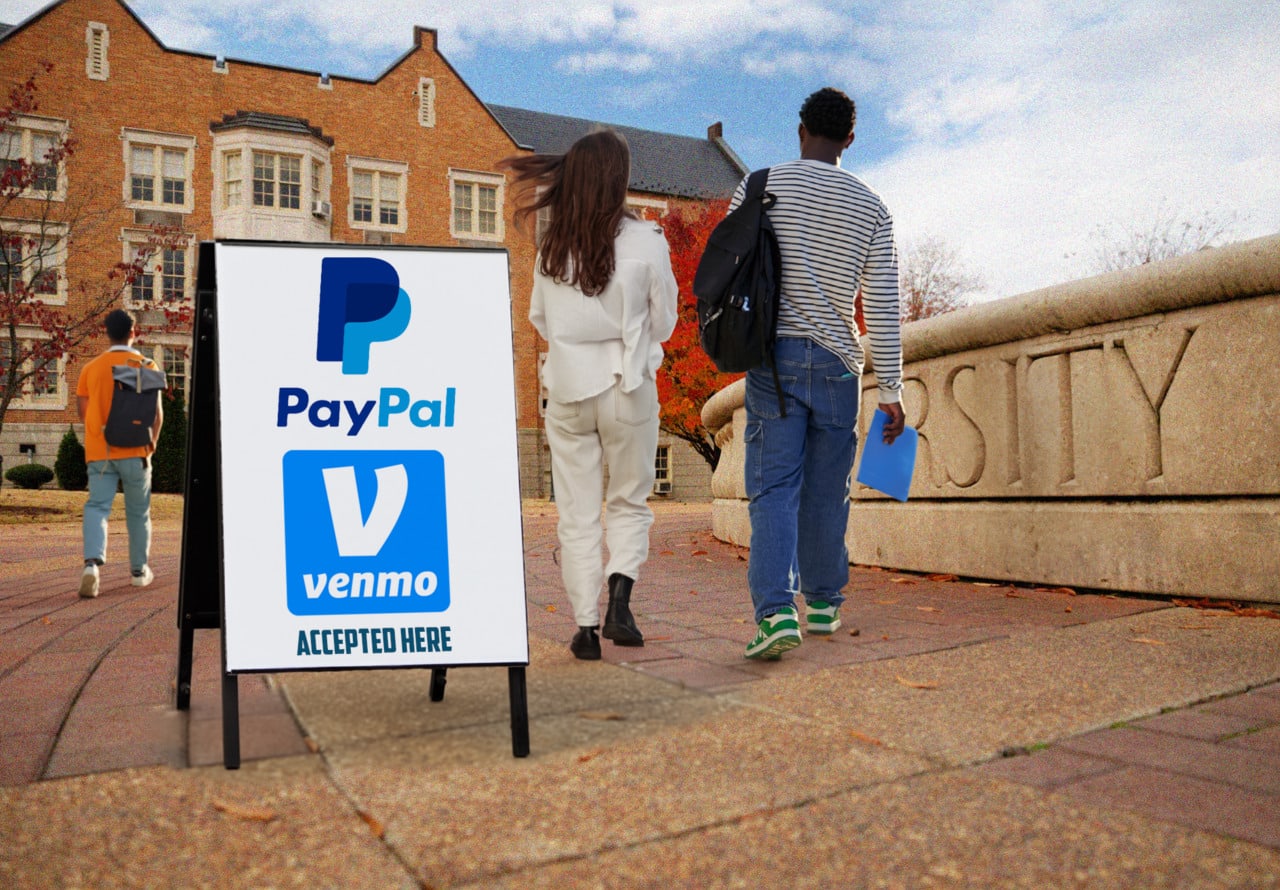
Venmo and PayPal have partnered with major education payment processors to allow students to pay tuition directly through their apps. This shift reflects a broader trend of integrating digital wallet services into large-scale institutional transactions.
The Digital Evolution of Higher Education Finance
The landscape of higher education finance is undergoing a significant transformation as major payment platforms, specifically Venmo and PayPal, integrate their services into the collegiate tuition ecosystem. By partnering with established education payment processors—namely Illumia, Nelnet Campus Commerce, and TouchNet—these digital wallet services are positioning themselves to facilitate one of the largest financial obligations a household typically faces: college tuition. This move marks a departure from traditional payment methods like bank transfers or physical checks, aligning institutional billing with the digital-first habits of the modern student body.
Expanding the Scope of Digital Wallets
For years, Venmo has functioned as a central hub for micro-transactions among peers, covering everything from shared utility bills to incidental social expenses. The transition of this platform into the realm of institutional tuition payments represents a strategic expansion for its parent company, PayPal. By leveraging the infrastructure of platforms that already serve thousands of universities, Venmo is effectively streamlining the payment experience, allowing users to leverage the convenience of their existing digital wallets for high-value academic expenditures.
The Intersection of Convenience and Institutional Needs
This integration serves as a response to the growing consumer demand for flexible spending options. As students and families seek more seamless ways to manage their accounts, the ability to initiate tuition payments through a familiar interface could reduce friction in the administrative billing process. These payment platforms act as the intermediary layer, ensuring that the integration is compliant with university financial systems while providing the user-friendly interface that Venmo users have come to expect.
Navigating the Psychological Shift
There is a notable psychological contrast in using a platform commonly associated with informal, social peer-to-peer payments for a formal, high-stakes academic transaction. While the underlying financial mechanics remain secure, the shift marks a cultural milestone in how financial technology is permeating traditional institutions. Students are effectively bridging the gap between their daily social finances and their long-term educational investments, using the same digital ecosystem for both.
Future Implications for Academic Billing
Looking ahead, the adoption of Venmo for tuition suggests a future where digital wallets may become standard for all major institutional payments. As universities continue to modernize their financial infrastructure to cater to a generation of digital natives, we can expect further collaborations between fintech providers and higher education institutions. This trend not only simplifies the act of payment but also forces a re-evaluation of how large-scale financial planning is integrated into the daily digital lives of students and their families.
Multiple Citing Sources
Verification Required?