Nowak killer's first recorded confession revealed
Source Entity
BBC News
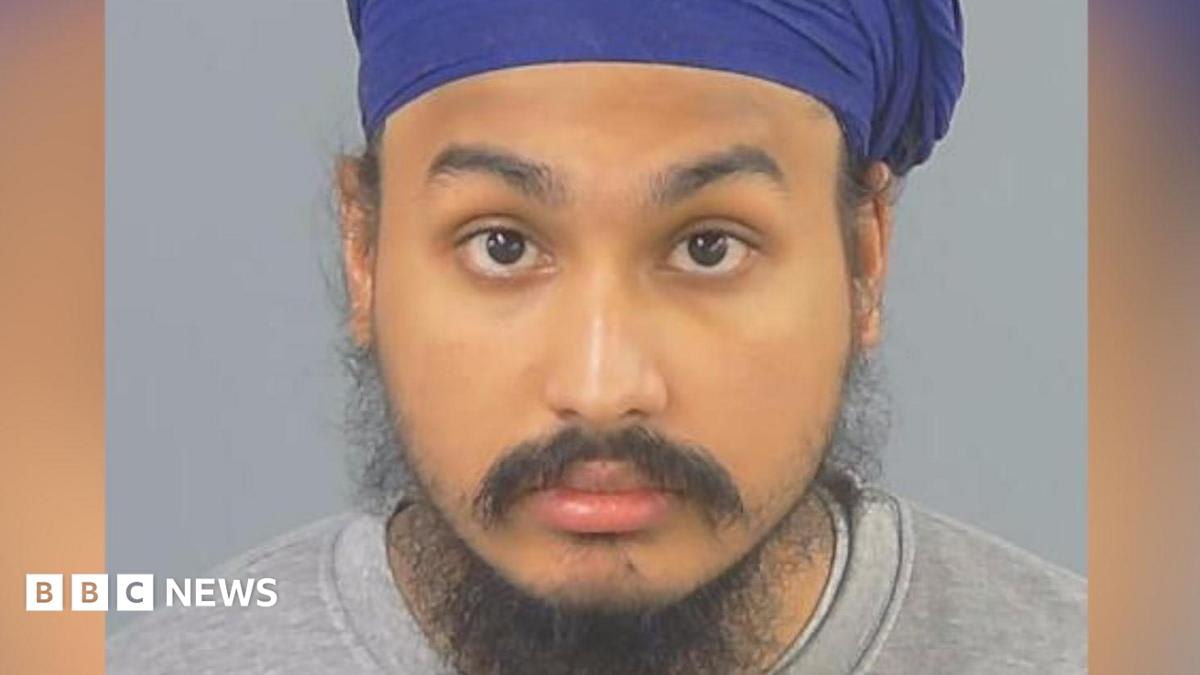
A recorded confession from Vickrum Digwa, captured while in a police transport van, has been revealed as key evidence in the murder case of Henry Nowak in Southampton.
The Revelation of the Digwa Confession: A Turning Point in the Nowak Murder Case
The emergence of a recorded confession from Vickrum Digwa marks a pivotal moment in the judicial proceedings surrounding the murder of Henry Nowak in Southampton. In criminal litigation, the transition from circumstantial evidence to a direct admission of guilt is often the most critical juncture. The fact that this confession was captured within the confines of a police van adds a layer of complexity and intrigue to the case, as it represents a moment of perceived privacy or psychological vulnerability that often leads suspects to reveal truths they would otherwise withhold in a formal interrogation room.
The Legal Weight of Spontaneous Confessions
The circumstances under which Digwa’s confession was recorded are of paramount importance. Statements made in police vehicles—often referred to as "spontaneous utterances"—can be highly influential in court. Unlike formal interviews, which are strictly governed by the Police and Criminal Evidence Act (PACE) in the UK, conversations in a transport van may sometimes bypass the rigid structure of a cautioned interview. The prosecution will likely argue that the recording captures a genuine, uncoerced admission of guilt, while the defense may scrutinize the environment to determine if the suspect was under duress or if the recording was obtained in a manner that violates procedural rights.
Psychological Dynamics of the Police Transport
From a behavioral analysis perspective, the police van serves as a liminal space. Between the scene of the crime or the point of arrest and the formal processing at a station, suspects often experience a "collapse" of their mental defenses. For Vickrum Digwa, the transition from the street to the custody suite likely created a psychological window where the gravity of the situation became overwhelming. The recording of these discussions provides the court with a raw, unfiltered glimpse into the suspect's state of mind, potentially revealing motives or details about the murder of Henry Nowak that were not previously known to investigators.
Community Impact and the Pursuit of Justice in Southampton
The murder of Henry Nowak has undoubtedly left a void in the Southampton community, and the revelation of this confession brings a renewed sense of momentum toward achieving justice. In high-profile homicide cases, the transparency of the evidence is crucial for public trust in the legal system. By bringing this recording to light, the authorities are signaling that the evidence against Digwa is robust. For the family of Nowak, such a confession is not merely a legal tool but a step toward the emotional closure that only a definitive conviction can provide.
Procedural Scrutiny and Defense Strategies
As the case moves forward, the defense will likely employ a strategy of "procedural challenge." They may question the authenticity of the recording, the chain of custody of the audio file, or the specific prompts—if any—used by the officers present in the van to elicit the confession. In the UK legal system, if a confession is deemed to have been obtained through oppression or in a way that makes it unreliable, it can be excluded. Therefore, the battle over the admissibility of the van recording will likely be as contentious as the trial itself.
Future Implications for the Trial
Looking ahead, this recording is expected to be a cornerstone of the prosecution's closing argument. If the audio is clear and the admission is unambiguous, it significantly narrows the defense's ability to present an alternative theory of the crime. We can predict that the trial will focus heavily on the timeline of the murder and how the details mentioned in the van align with the forensic evidence found at the scene. This convergence of digital audio evidence and physical forensics typically creates an airtight case for the prosecution.
Summary of Legal Significance
In conclusion, the recorded confession of Vickrum Digwa represents a critical evidentiary breakthrough in the Henry Nowak murder investigation. By capturing an admission of guilt in a non-traditional setting, the police have obtained a powerful piece of evidence that complicates the defense's position and accelerates the path toward a verdict. The case underscores the importance of every moment of police interaction and the enduring power of a direct confession in the pursuit of criminal justice.