Victoria’s Secret sees strong ‘bras and Pink’ sales, but not enough to satisfy investors
Source Entity
Tomi Kilgore
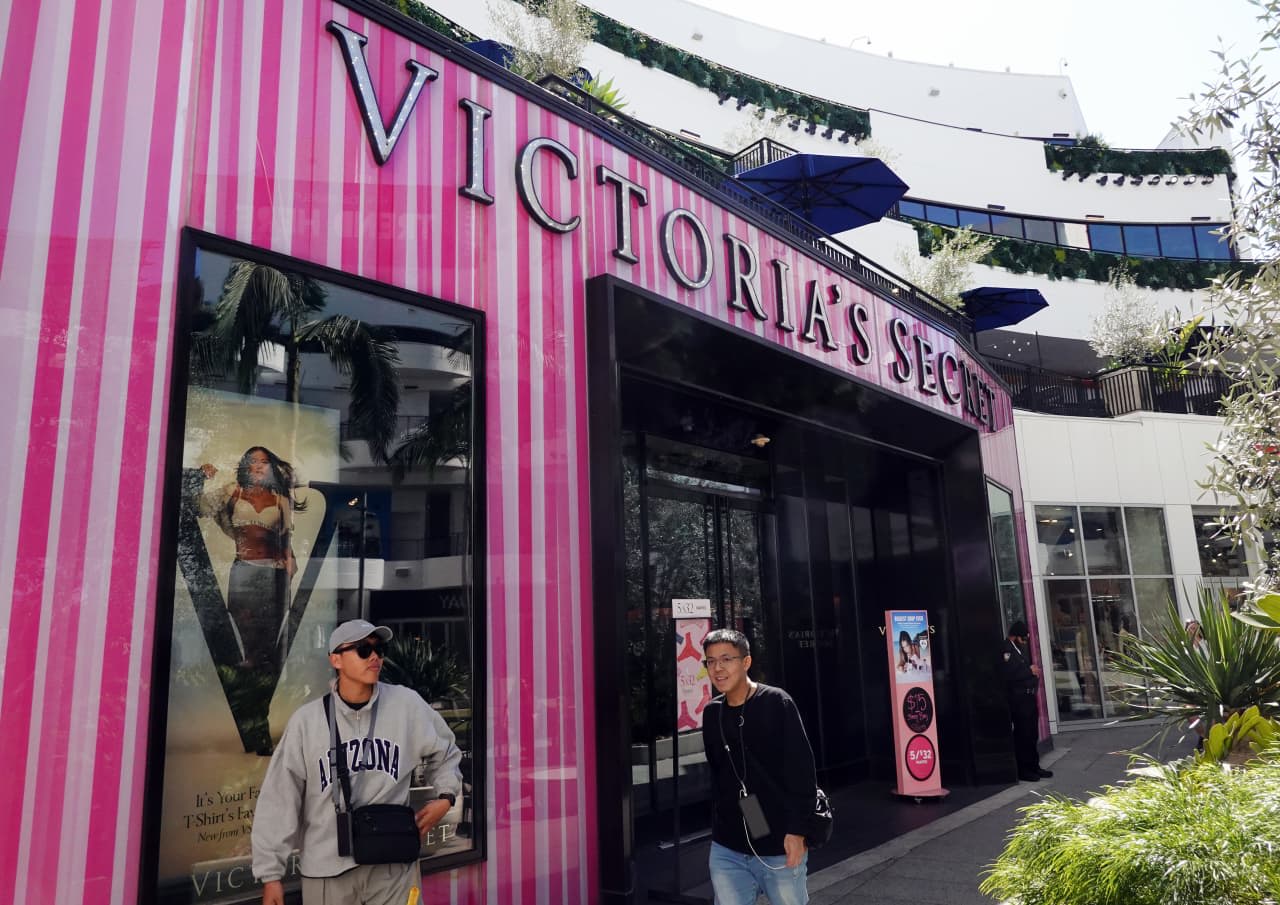
Victoria's Secret stock plummeted despite meeting the high end of its sales forecasts for bras and Pink products. Investors remain dissatisfied, signaling a disconnect between operational performance and market expectations.
Market Reaction to Victoria's Secret Performance
Victoria's Secret recently reported sales figures that reached the high end of their previously issued financial guidance. While the company successfully maintained momentum in its core product categories, specifically bras and the Pink brand, the market's reaction was overwhelmingly negative. The stock is currently tracking toward its worst single-day performance in over a year, highlighting a significant misalignment between corporate execution and investor sentiment.
The Gap Between Forecast and Expectation
The primary driver of this market volatility is the discrepancy between internal company forecasting and external Wall Street expectations. Although the company met its own stated goals, the investment community had priced in a more aggressive growth trajectory. This scenario serves as a classic case study in market psychology, where even hitting the top tier of guidance is insufficient if analysts and institutional investors have recalibrated their expectations higher than what the company communicated.
Core Product Performance: Bras and Pink
The resilience of the 'bras and Pink' segments remains the cornerstone of Victoria's Secret's business model. These categories have historically served as the company's primary revenue engines, providing a predictable baseline of consumer demand. However, the fact that these segments performed well while the overall stock price suffered suggests that investors are worried about the company's ability to drive growth beyond its core offerings or expand its market share in an increasingly competitive retail landscape.
Broader Implications for the Retail Sector
This event underscores the current fragility within the discretionary retail sector. As consumers face shifting economic pressures, brands that rely on legacy product lines face intense scrutiny. Investors are no longer rewarding companies simply for meeting internal targets; they are demanding evidence of long-term strategic expansion and margin improvement that the current reports failed to provide. This trend is likely to continue as retail giants navigate the balance between maintaining brand identity and innovating to satisfy Wall Street’s growth mandates.
Historical Context and Future Outlook
Looking back at the past year, Victoria’s Secret has been in a period of intense transition, attempting to modernize its brand image and adapt to changing retail preferences. The current market reaction reflects a lack of patience among shareholders who are looking for definitive signs of a turnaround. Moving forward, the company will likely need to adjust its communication strategy with investors or pivot its operational focus to demonstrate how it plans to surpass its current sales ceiling, as the market has clearly signaled that 'meeting expectations' is no longer a sufficient metric for success.
Verification Required?