'Violations of law': Vietnam arrests boat captain after capsize killed 15 Indians
Source Entity
TOI WORLD DESK
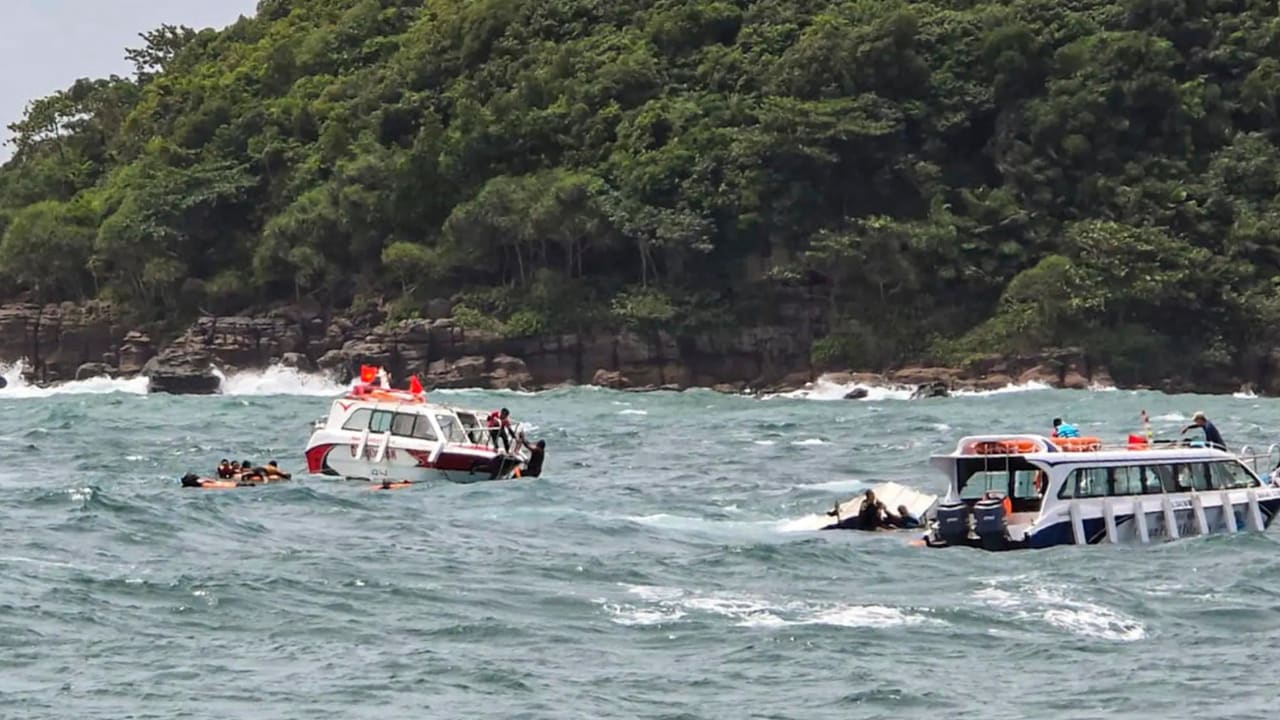
Vietnam arrests boat captain after capsize killed 15 Indians Poll Vote & Share your view Should speedboat services be temporarily suspended after such tragic incidents? Yes, for safety reasons No, th...
Tragedy in Vietnamese Waters: Analysis of the Boat Capsize and Legal Aftermath
In a devastating maritime accident, a boat capsize in Vietnam has claimed the lives of 15 Indian nationals, sparking an immediate legal response from local authorities. The incident has cast a shadow over the region's tourism sector, highlighting the precarious balance between the rapid expansion of leisure activities and the stringent enforcement of safety protocols. The arrest of the boat captain under the premise of 'violations of law' signifies a move by the Vietnamese government to establish accountability and provide a sense of justice for the victims' families.
Legal Accountability and the 'Violations of Law'
The decision to arrest the boat captain suggests that preliminary investigations identified critical lapses in operational safety. In maritime law, 'violations of law' typically encompass a range of negligence, including overloading the vessel beyond its certified capacity, failing to provide adequate life-saving equipment (such as life jackets), or operating in hazardous weather conditions despite official warnings. By targeting the captain, authorities are emphasizing the non-delegable duty of care that a vessel's master owes to their passengers. This legal action serves as a deterrent to other operators who may be tempted to cut corners to maximize profit at the expense of passenger safety.
The Broader Context of Vietnamese Tourism
Vietnam has seen a surge in international tourism, particularly from the Indian market, as connectivity increases and the country's natural beauty becomes more accessible. Speedboat services and coastal excursions have become staples of the tourist experience. However, the rapid growth of these services often outpaces the regulatory framework required to monitor them. This tragedy underscores a systemic vulnerability where the demand for high-speed, exhilarating tours may lead operators to ignore safety margins. The incident is likely to prompt a nationwide audit of small-scale maritime operators to ensure that licenses are not just granted, but actively maintained through rigorous safety checks.
Diplomatic and Social Implications
With 15 Indian citizens losing their lives, the incident transcends a local criminal case and enters the realm of diplomatic concern. The Indian Embassy in Vietnam will play a crucial role in coordinating the repatriation of remains and ensuring that the legal process in Vietnam is transparent and fair. Such tragedies often lead to a temporary dip in tourist confidence, potentially prompting travel advisories or a shift in how tour packages are vetted by Indian travel agencies. The social outcry, as seen in public polls regarding the suspension of speedboat services, reflects a growing demand for 'safety first' tourism over 'convenience first' experiences.
Future Trends in Maritime Safety and Regulation
Moving forward, this event is expected to catalyze a shift toward digitized safety monitoring in Vietnam's tourism hubs. We can predict the implementation of mandatory GPS tracking for all tourist vessels and the requirement for real-time passenger manifests to be filed with port authorities. Furthermore, there will likely be a push for mandatory safety certifications for captains that include emergency evacuation drills. The integration of stricter penalties for operators who violate safety laws will be essential to prevent a recurrence of such a catastrophe.
Conclusion
The loss of 15 lives is a sobering reminder of the inherent risks associated with maritime tourism when safety is compromised. While the arrest of the captain is a necessary step toward legal resolution, the long-term solution lies in a comprehensive overhaul of safety regulations and a cultural shift toward rigorous compliance. This tragedy serves as a wake-up call for both the Vietnamese tourism industry and international travelers to prioritize safety certifications over the allure of low-cost, high-speed excursions.