Vietnam boat capsize: Two people from Andhra killed, 3 others hospitalised
Source Entity
Latest News: Today's Latest News Headlines from India & World | Hindustan Times | Hindustan Times
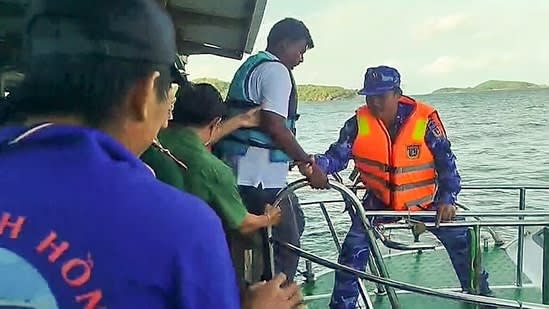
The accident claimed the lives of 15 Indian tourists, while 21 others were rescued.
Tragedy in Vietnam: Analysis of the Indian Tourist Boat Capsize
Across various reports, a distressing incident has emerged involving the capsizing of a tourist boat in Vietnam, resulting in a significant loss of life among Indian nationals. The reports highlight a tragic toll, specifically noting that two individuals from Andhra Pradesh were among the deceased, while three others from the same region remain hospitalized. While there are discrepancies in the immediate reporting—with some figures suggesting 15 Indian tourists perished and 21 were rescued—the core event underscores a catastrophic failure in maritime safety during a leisure excursion.
Maritime Safety and Tourism Risks
This incident brings to the forefront the critical issue of safety standards within the Southeast Asian tourism sector. Boat tours are a cornerstone of Vietnam's tourism industry, often navigating complex waterways and coastal regions. When accidents of this magnitude occur, they typically point toward systemic failures, such as overloading, lack of adequate life-saving equipment, or failure to adhere to weather warnings. For international tourists, who may be unfamiliar with local maritime conditions or safety protocols, the reliance on tour operators is absolute, making the failure of these operators particularly devastating.
The Surge of Indian Outbound Travel to Vietnam
In recent years, Vietnam has seen a massive surge in visitors from India, driven by simplified visa processes and the growing appeal of Vietnam's landscapes and culture. This trend has led to a rapid expansion of tour packages tailored specifically for Indian groups. However, the speed of this growth often outpaces the implementation of stringent safety audits. The fact that multiple victims hailed from Andhra Pradesh suggests the involvement of organized group travel, which often utilizes third-party local vendors who may not always meet international safety benchmarks.
Diplomatic and Consular Implications
Following such a tragedy, the role of the Indian Embassy and consular services in Vietnam becomes paramount. The process of identifying victims, coordinating with local hospitals, and managing the repatriation of bodies is a complex diplomatic effort. Beyond the immediate logistics, this event will likely prompt the Indian government to issue updated travel advisories or demand stricter safety guarantees from Vietnamese tour operators to protect future travelers. The coordination between the state government of Andhra Pradesh and the central diplomatic mission will be essential in providing support to the bereaved families.
Future Trends in Travel Safety
Moving forward, this accident is likely to trigger a demand for 'certified' tourism experiences. Travelers are increasingly seeking operators with recognized international safety certifications rather than relying on budget-friendly, unverified packages. We can expect a shift where travel insurance providers may implement stricter requirements for high-risk activities, such as small-boat excursions in foreign waters, to mitigate the financial and human cost of such accidents.
Summary of the Event
In conclusion, the boat capsize in Vietnam is a sobering reminder of the vulnerabilities inherent in global tourism. The loss of 15 lives, including citizens from Andhra Pradesh, represents not only a personal tragedy for the families involved but also a call for immediate reform in how tourist vessels are regulated in popular destinations. Ensuring that safety is prioritized over profit is the only way to prevent such avoidable catastrophes in the future.
Verification Required?