Vietnam boat survivor: Captain jumped, so did I
Source Entity
TNN
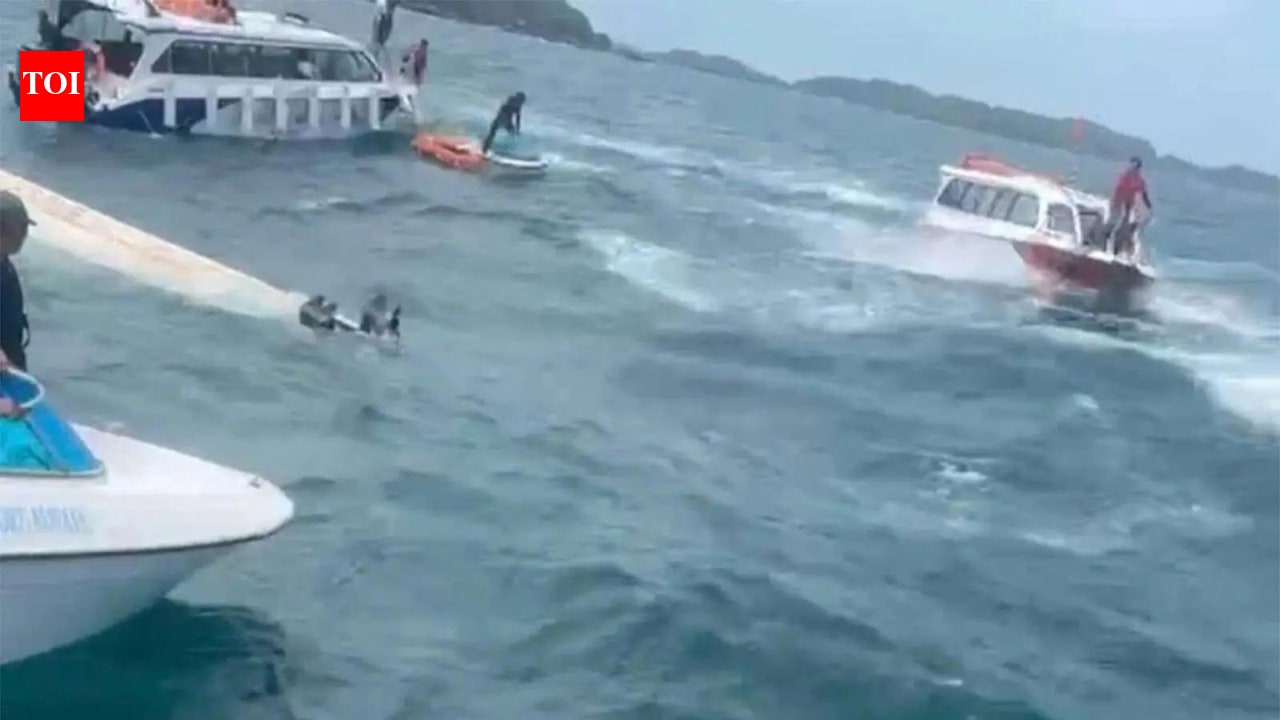
A survivor of a boat tragedy in Vietnam describes a harrowing scene where the captain jumped overboard, leaving passengers in the rear of a closed vessel trapped and unable to escape, highlighting critical failures in boat design and island medical infrastructure.
Tragedy at Sea: Analyzing the Vietnam Boat Disaster
Recent accounts from a survivor of a maritime tragedy in Vietnam have brought to light a harrowing sequence of events that underscores the fragility of safety protocols in regional water transport. The incident, characterized by sudden chaos and a desperate struggle for survival, reveals a catastrophic failure in both vessel design and emergency leadership. The survivor's testimony paints a picture of a situation where the instinct for self-preservation overrode standard maritime procedure, leading to a fragmented rescue effort where only a few managed to escape the sinking vessel.
The Leadership Vacuum and Survival Instinct
One of the most striking elements of the survivor's account is the behavior of the captain. In traditional maritime law and ethics, the captain is expected to be the last person to leave the ship, ensuring all passengers are evacuated. However, in this instance, the captain jumped overboard early in the crisis. This action created a survival divide: those who immediately followed the captain into the water survived, while those who waited for instructions or were unable to reach the exit perished. This shift in leadership dynamics during a crisis often leads to mass panic, as the perceived abandonment by the authority figure triggers a frantic, uncoordinated rush for the few available exits.
Structural Failures and the 'Death Trap' Design
Beyond the human element, the physical architecture of the boat played a decisive role in the fatality rate. The survivor specifically mentioned that the boat was 'closed,' which prevented passengers in the rear from exiting. This suggests a critical flaw in the vessel's emergency egress design. In many smaller or older transport boats used in coastal and island regions, safety modifications are often overlooked, leaving passengers trapped in compartments without secondary exits. The fact that rear passengers were effectively sealed inside while the boat sank transforms a maritime accident into a structural death trap, highlighting a dire need for stricter vessel certification and safety audits in Vietnam's transport sector.
The Critical Gap in Island Medical Infrastructure
The tragedy was compounded by the inadequacy of medical resources on the nearby islands. The survivor noted that improved medical access could have saved additional lives, suggesting that the window between rescue and death was missed due to a lack of immediate, high-quality trauma care. In many remote island chains, the lack of stabilization equipment and specialized emergency personnel means that survivors of drowning or hypothermia often succumb to their injuries before they can be transported to mainland hospitals. This systemic failure indicates that maritime safety is not just about the boat itself, but about the entire emergency response ecosystem, including shore-based medical readiness.
The Human Cost and Emotional Resonance
The personal toll of this disaster is exemplified by the survivor's loss of a childhood friend. Such losses transform a news report from a set of statistics into a profound human tragedy. The psychological impact on survivors—compounded by the guilt of escaping while others were trapped—often leads to long-term PTSD. This specific loss underscores the social fabric of the communities utilizing these boats, where passengers are often not strangers but lifelong friends and neighbors, amplifying the grief felt by the local population.
Future Implications for Maritime Safety
Moving forward, this event serves as a grim catalyst for necessary reforms in Vietnamese maritime safety. There is an urgent need for the implementation of mandatory safety briefings for passengers and the installation of emergency break-glass exits in all closed-cabin vessels. Furthermore, the government must invest in 'Golden Hour' medical facilities on strategic islands to ensure that survivors of future accidents have a fighting chance. If these systemic issues—leadership training, vessel design, and medical infrastructure—are not addressed, similar tragedies are likely to recur as tourism and transport in coastal regions continue to grow.
Summary
This tragedy was the result of a perfect storm: a failure in command, a lethal flaw in boat design, and a lack of critical medical infrastructure. The survivor's account serves as a vital piece of evidence that the current safety standards for regional boat travel in Vietnam are insufficient, necessitating an immediate overhaul of maritime regulations to prevent further loss of life.