'Boat overturned within seconds': Survivor recounts Vietnam tragedy that killed 15 Indians
Source Entity
TOI CITY DESK
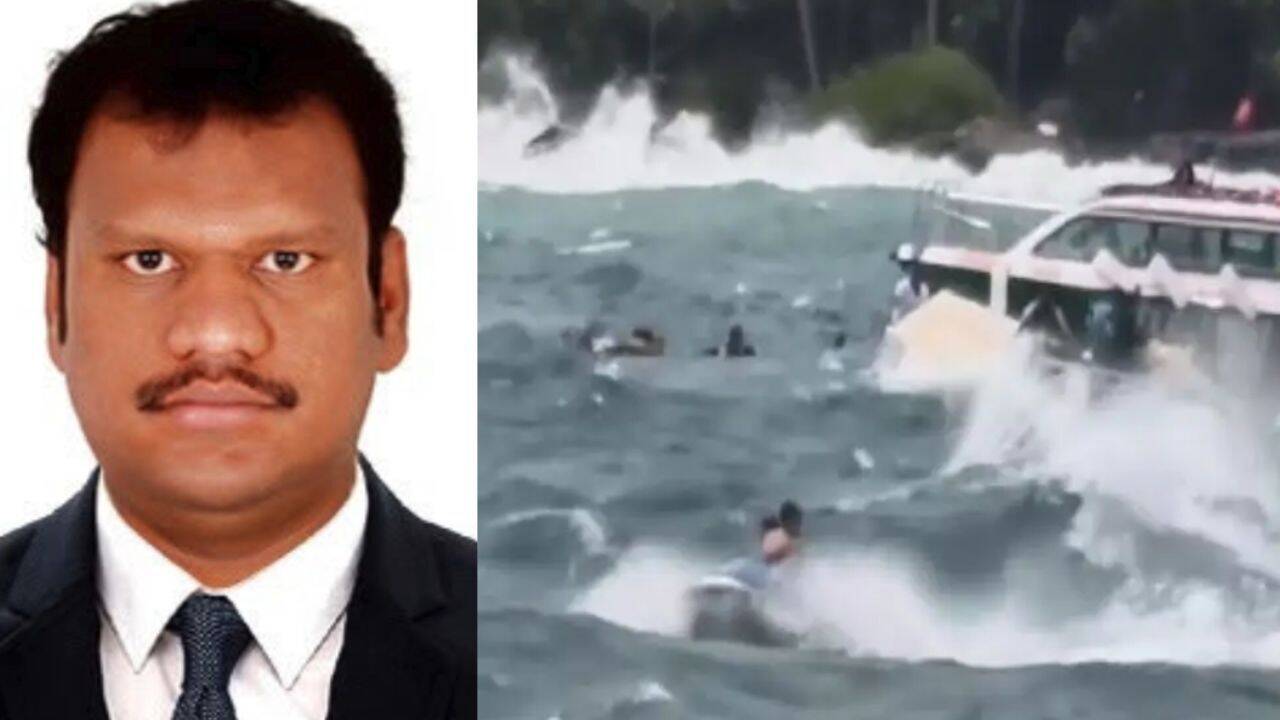
Fifteen Indian tourists died when their speedboat capsized near Vietnam's Phu Quoc Island. Survivors recounted the tragic moments as the vessel overturned quickly amid high waves. Thirty-nine people were on board, with most of them hailing from Tamil Nadu. Vietnamese authorities confirmed the deaths of thirteen men and two women in the accident. Indian officials are coordinating relief efforts for the affected families and survivors.
Tragedy at Sea: The Phu Quoc Speedboat Accident
A devastating maritime accident has claimed the lives of fifteen Indian tourists near the popular destination of Phu Quoc Island in Vietnam. The incident occurred when a speedboat, carrying a total of 39 passengers, suddenly capsized amidst turbulent sea conditions. According to harrowing accounts from survivors, the vessel overturned within mere seconds, leaving little time for passengers to react or deploy safety equipment. The tragedy has sent shockwaves through the affected communities in India, particularly in the state of Tamil Nadu, where the majority of the victims hailed from.
Detailed Breakdown of the Incident
Vietnamese authorities have confirmed the casualties, identifying thirteen men and two women among the deceased. The speed of the accident is a central focus of the unfolding investigation; survivors recounted that the high waves struck the vessel with such suddenness that the capsize was nearly instantaneous. This rapid transition from a standard tour to a life-threatening emergency highlights the extreme volatility of maritime environments, even in areas typically considered safe for tourism. The fact that 39 people were on board suggests a significant passenger load, which may have contributed to the vessel's stability issues during the encounter with high waves.
Regional Context and Tourism Risks
Phu Quoc Island is a major tourism magnet in Vietnam, renowned for its coastal beauty and various water-based excursions. However, the incident serves as a grim reminder of the inherent risks associated with maritime tourism in Southeast Asia. While speedboat tours are a staple of island vacations, they are highly dependent on weather conditions and the strict adherence to safety protocols by local operators. The unpredictable nature of ocean swells and sudden changes in sea state can turn a routine excursion into a catastrophe if vessels are not properly equipped or if speed limits and wave thresholds are ignored.
Diplomatic and Relief Coordination
In the aftermath of the tragedy, significant diplomatic and humanitarian efforts have been mobilized. Indian officials are currently working in close coordination with Vietnamese authorities to manage the crisis. These efforts are focused on three primary pillars: providing consular assistance to the survivors, coordinating the repatriation of the deceased to India, and offering direct relief and support to the grieving families in Tamil Nadu. The complexity of such international coordination underscores the importance of robust bilateral relations in managing the welfare of citizens traveling abroad.
Broader Implications for Maritime Safety
This event is likely to trigger a renewed scrutiny of maritime safety regulations for tour operators in the region. There is an urgent need for stricter enforcement of vessel capacity limits, mandatory life jacket usage, and more rigorous training for skippers regarding wave management. As international tourism continues to grow, the pressure on local infrastructure and safety oversight increases. This tragedy highlights the necessity for a proactive approach to maritime safety, where technological monitoring of sea conditions and strict regulatory compliance are prioritized to prevent the recurrence of such avoidable losses.
Conclusion
The loss of fifteen lives in the waters of Phu Quoc is a profound tragedy that highlights the fragile intersection of global tourism and maritime unpredictability. As the investigation continues to determine if negligence played a role in the capsize, the global community must reflect on the imperative of safety standards. For the families in Tamil Nadu, the loss is immeasurable, and the focus remains on ensuring that justice and clarity are provided through the ongoing official inquiries.