Vanathi Srinivasan seeks Tamil Nadu CM’s intervention in incident of woman village panchayat president being prevented from discharging duties
Source Entity
India Latest News: Top National Headlines Today & Breaking News | The Hindu
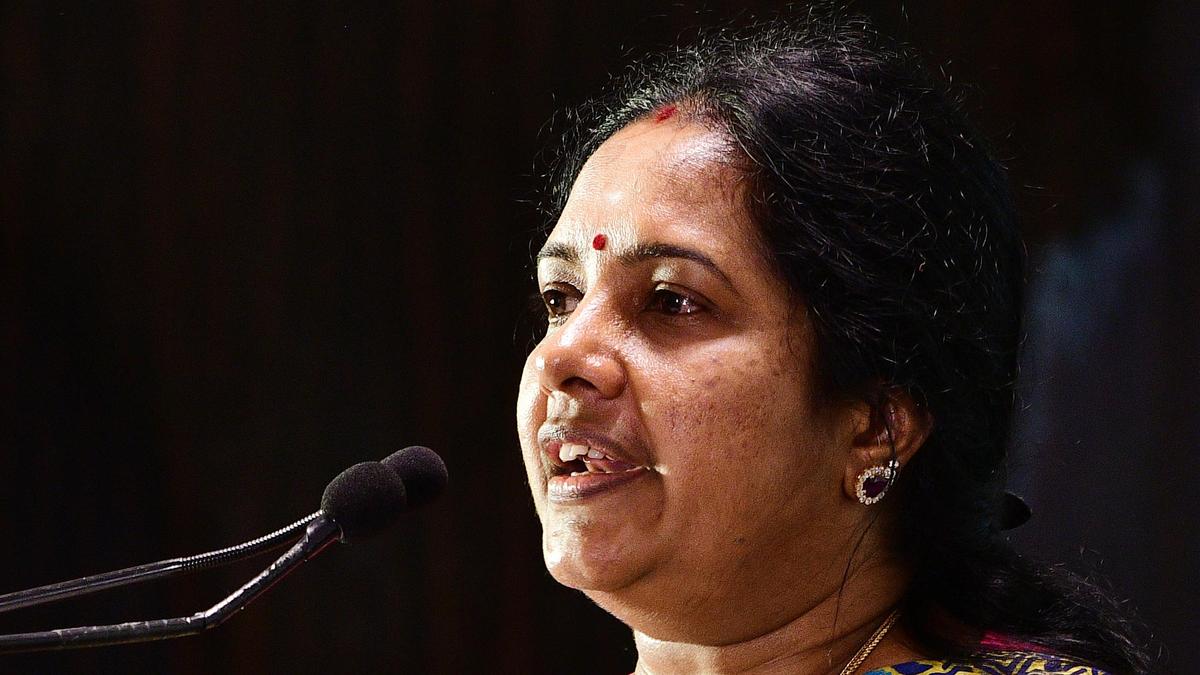
BJP leader Vanathi Srinivasan has urged the Tamil Nadu government to intervene after a Dalit woman panchayat president in Villupuram was barred from her official duties. The incident highlights ongoing systemic discrimination against marginalized groups in local governance.
Systemic Barriers in Local Governance: The Kodunkal Case
The recent report concerning Malarvizhi, the 50-year-old village panchayat president of Kodunkal in the Villupuram district of Tamil Nadu, serves as a stark reminder of the persistent challenges facing women and members of Scheduled Castes (SC) in grassroots democracy. Despite the constitutional mandates established by the 73rd Amendment, which sought to decentralize power and ensure representation for marginalized communities, individuals like Malarvizhi continue to face severe institutional and social pushback when attempting to exercise their electoral mandates.
The Anatomy of Exclusion
According to the details provided, Malarvizhi has been systematically prevented from performing fundamental duties, including sitting in the designated chair of the office and performing the symbolic yet significant act of hoisting the national flag. These actions constitute a direct assault on the dignity of the office and the democratic process. By denying her the physical space of authority, the perpetrators are attempting to render her position purely nominal, stripping the office of its functional power and legitimacy.
Political Advocacy and State Response
BJP leader Vanathi Srinivasan has formally requested the intervention of Tamil Nadu Chief Minister C. Joseph Vijay and Minister for Social Justice Vanni Arasu. This move elevates the issue from a local administrative failure to a matter of state-level political discourse. The demand for intervention highlights a critical need for the state government to enforce protective measures for elected officials who are vulnerable to caste-based and gender-based discrimination, ensuring that the rule of law supersedes local power dynamics.
Historical Context of Marginalization
This incident is not an isolated occurrence but rather a reflection of broader, deeply entrenched social hierarchies. Historically, the reservation of panchayat seats for women and SC/ST candidates has often been met with resentment from dominant social groups who perceive a loss of traditional control. The resistance faced by Malarvizhi mirrors long-standing patterns of 'proxy' politics, where elected representatives are sidelined or coerced into silence to maintain existing power structures.
Broader Implications for Democracy
If local representatives are unable to discharge their duties without fear of intimidation or social exclusion, the entire framework of the Panchayati Raj system is undermined. The failure to address these instances of oppression discourages civic participation among marginalized groups, effectively disenfranchising those whom the reservation policies were designed to empower. Ensuring the safety and functional autonomy of leaders like Malarvizhi is essential for the health of India's democratic fabric.
Future Trends and Necessary Interventions
Moving forward, the resolution of the Kodunkal case will serve as a bellwether for the current administration's commitment to social justice. Effective governance requires more than just the election of diverse candidates; it necessitates a robust protective framework that includes legal accountability for those who obstruct elected officials. Future trends indicate that as more marginalized individuals ascend to leadership roles, the necessity for state-backed security and legal oversight will only grow to prevent the erosion of local democratic institutions.
Verification Required?