Key employee union leader shifted out of Punjab civil secretariat
Source Entity
Latest News: Todays Latest News Headlines from India & World | Hindustan Times | Hindustan Times
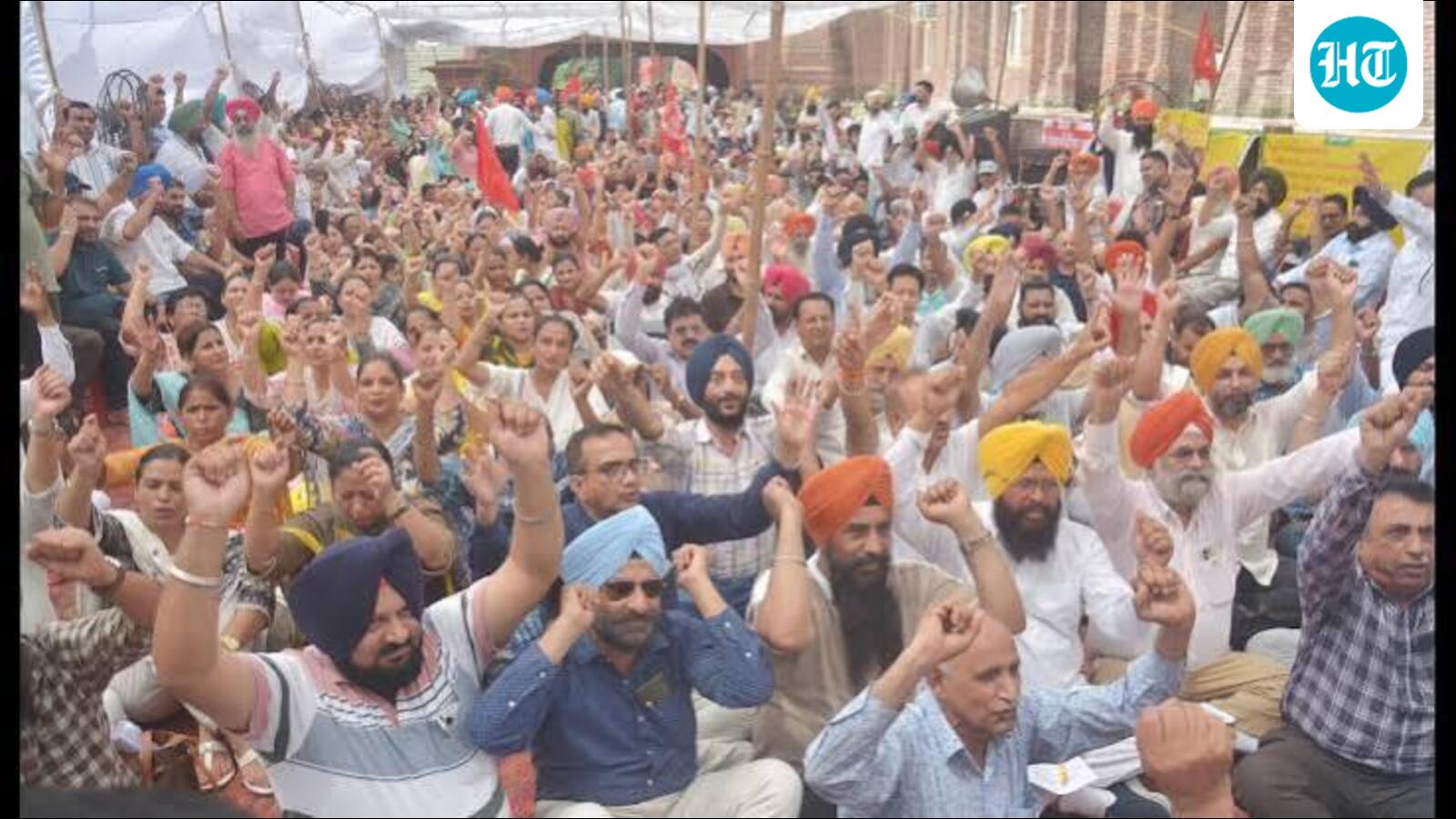
The Punjab government has transferred union leader Sukhchain Khera following a massive statewide strike by over 3 lakh employees. The protest, led by the Sanjha Mulazim Manch, demands the release of pending dearness allowance and other benefits.
Administrative Reshuffle Amidst Labor Unrest in Punjab
The Punjab government’s recent decision to transfer Sukhchain Khera, a superintendent-rank officer and key coordinator of the Sanjha Mulazim Manch, from the state civil secretariat to the planning branch, marks a significant escalation in the ongoing friction between the state administration and its workforce. Khera, as the face of the umbrella organization representing 154 state-level employees’ unions, has been instrumental in organizing collective bargaining efforts against the current administration.
The Scale of the Protest
The transfer comes in the immediate aftermath of a massive statewide strike held on August 27. The scale of this industrial action was unprecedented, with over 3 lakh government employees taking mass casual leave to voice their grievances. The participation was bolstered by the inclusion of over 3.50 lakh pensioners, demonstrating a unified front among those currently employed and those who have retired from state service, all seeking resolution to long-standing financial disputes.
Core Grievances and Economic Implications
At the heart of the Sanjha Mulazim Manch's demands is the release of the pending dearness allowance (DA). Dearness allowance is a critical component of the salary structure for government employees, designed to mitigate the impact of inflation on their purchasing power. The delay in these payments has created significant financial strain for households reliant on state salaries, leading to the formation of this broad-based coalition of 154 unions that Khera coordinates.
Strategic Relocation or Punitive Action?
Moving a prominent union leader from the administrative branch of the civil secretariat—a hub of policy and decision-making—to the planning branch in Sector 33 is being viewed by many as a strategic move to neutralize the influence of the union within the seat of power. Such transfers are common in bureaucratic circles, but when executed during a period of intense labor mobilization, they often signal an attempt by the government to disrupt the organizational capabilities of the opposition.
The Broader Political Landscape
The standoff between the Punjab government and the Sanjha Mulazim Manch highlights the broader challenges of fiscal management in Indian states. When governments face budgetary constraints, employee benefits like DA are often the first to be delayed, leading to predictable cycles of protest and political instability. For the current administration, the challenge lies in balancing fiscal prudence with the necessity of maintaining a motivated and satisfied public workforce.
Future Trends and Outlook
As the state government navigates this conflict, the future of the Punjab civil service environment remains uncertain. If the administration continues to rely on administrative reassignments rather than addressing the core financial demands of the unions, the risk of further strikes and work stoppages remains high. The resilience of the 154-union coalition suggests that the government will likely need to engage in formal negotiations to prevent a prolonged breakdown in essential state services.
Verification Required?