Vinita Zutshi brings Kashmir’s forgotten folktales to young readers
Source Entity
India Latest News: Top National Headlines Today & Breaking News | The Hindu
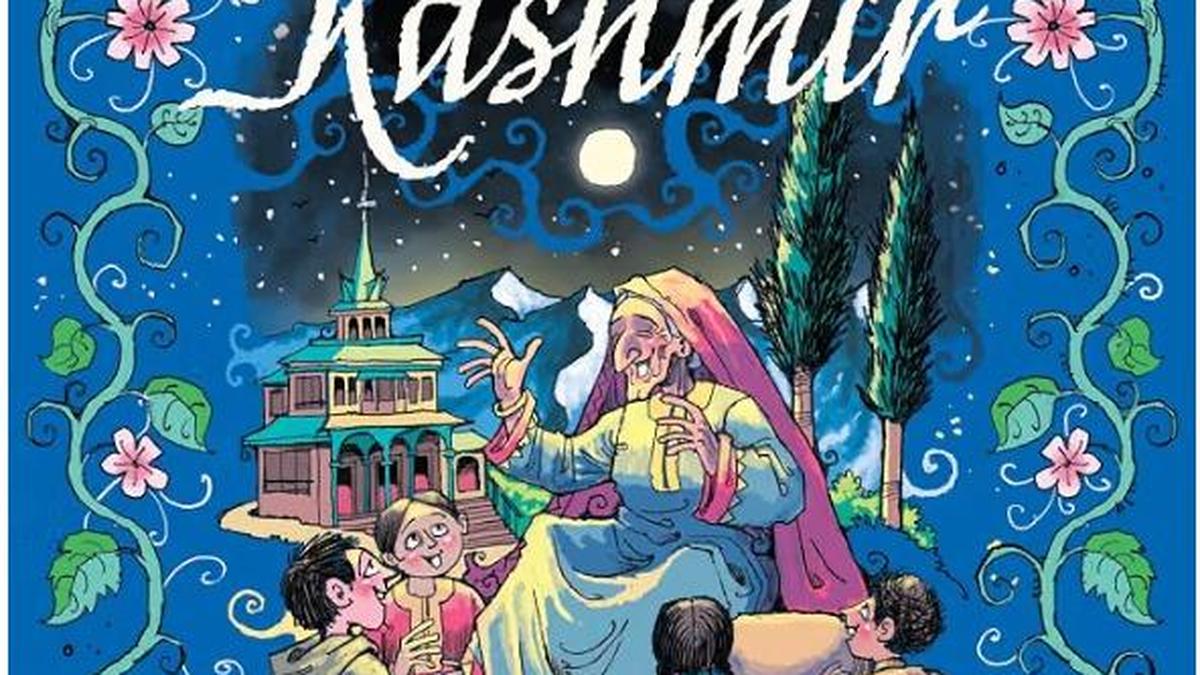
Author Vinita Zutshi has published a collection of 18 Kashmiri folktales to preserve the region's vanishing oral traditions. The book addresses the cultural disconnect faced by younger generations who are losing touch with their native language and heritage.
Preserving the Echoes of Kashmir: A Literary Intervention
The cultural fabric of any region is woven through its stories, yet for Kashmir, the threads of oral tradition have been fraying at an alarming rate. Author and storyteller Vinita Zutshi has emerged as a pivotal figure in this preservation effort, recently releasing a collection of 18 traditional Kashmiri folktales. Her work serves as both a literary contribution and a sociocultural intervention, aimed at bridging the generational gap that has left many Kashmiri youth disconnected from their linguistic and narrative roots.
The Crisis of Unrecorded Heritage
Zutshi’s project was catalyzed by a sobering realization during her storytelling sessions in the region. Educators and families reported that children were struggling to speak Kashmiri, and the oral histories once shared by elders were vanishing into the silence of unrecorded memory. This phenomenon highlights a broader global trend where modernization and shifts in educational focus often lead to the erosion of regional dialects and folklore, leaving a void in the collective identity of the youth.
Documenting the Oral Tradition
By curating these 18 narratives, Zutshi is effectively transmuting ephemeral oral performances into a permanent written archive. Published under the Red Panda imprint of Westland Books, the collection acts as a vessel for characters, customs, and motifs that have defined Kashmiri life for centuries. The act of recording these stories is a crucial step in ensuring that the specific nuances of Kashmiri folklore are not lost to time, providing a structured resource for children to engage with their ancestral heritage.
The Role of Literature in Cultural Continuity
Literature for children acts as a primary vehicle for cultural transmission. When traditional tales are translated into accessible written formats, they gain a new lease on life, moving beyond the domestic sphere into classrooms and libraries. Zutshi’s book, Folktales from Kashmir, functions as a pedagogical tool that encourages children to rediscover the linguistic beauty of their mother tongue, potentially reversing the decline in language proficiency identified by local teachers.
Broader Implications for Regional Identity
This initiative underscores the importance of community-led documentation. When folklore remains exclusively oral, it is vulnerable to the disruptions of social and political change. By formalizing these stories, Zutshi is not merely creating a product for the publishing market; she is safeguarding a significant portion of India’s intangible cultural heritage. This effort may inspire further documentation projects in other linguistically diverse regions, setting a precedent for how authors can use their platform to support cultural preservation.
Looking Toward the Future
As these stories reach a new generation, the impact will likely be seen in a renewed interest in Kashmiri customs and identity. The success of this collection could pave the way for a more robust revival of regional literature, ensuring that the voices of the past remain vibrant and relevant. By anchoring the future in the wisdom of the past, Zutshi’s work serves as a reminder that storytelling is an essential guardian of our shared human history.
Verification Required?