Anti-government protesters battle with police in Albania
Source Entity
BBC News
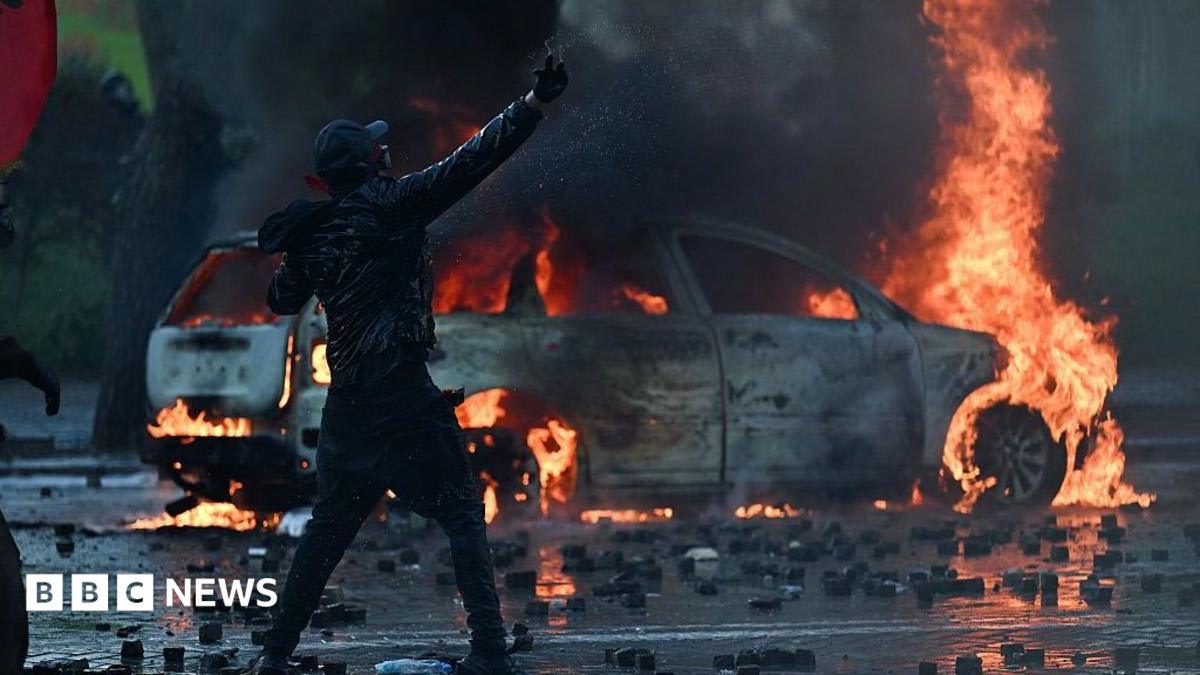
Violent anti-government protests in Tirana, Albania, have entered their fifth day as students and citizens demand the resignation of Prime Minister Edi Rama. Clashes between demonstrators using petrol bombs and police deploying tear gas and water cannons highlight deepening political instability.
Escalating Civil Unrest in Tirana: A Deep Dive
The Roots of the Conflict
The current unrest in Tirana, Albania, which has now entered its fifth day, represents a significant escalation in public discontent. What began as localized student demonstrations regarding poor educational infrastructure and the rising cost of living has rapidly morphed into a broader, more aggressive anti-government movement. The epicenter of these protests—the Ministry of Education—has become a symbolic battleground where the frustrations of the youth meet the firm, often combative, stance of the state security apparatus.
The Dynamics of Violence
The situation on the ground has deteriorated into frequent, violent confrontations. Reports indicate that protesters, including many high school and university students, have utilized projectiles such as rocks and Molotov cocktails against riot police. In a tactical response, authorities have deployed water cannons and tear gas, with emerging reports suggesting the use of rubber bullets. The presence of protesters in gas masks and the distribution of saline eye wash underscore the intensity of the chemical deterrents used by law enforcement, signaling a high level of preparation for prolonged conflict.
Political Instability and Demands
At the core of this movement is a direct demand for the resignation of Prime Minister Edi Rama. These protests are not merely isolated incidents of student activism but are symptomatic of deep-seated grievances regarding alleged government corruption. The administration's refusal to step down has effectively hardened the resolve of the demonstrators, transforming the protests from demands for policy reform into a direct challenge to the legitimacy of the current government.
Historical and Socio-Economic Context
To understand the gravity of these events, one must look at the socio-economic pressures currently facing Albania. The combination of systemic corruption allegations and the economic strain of rising living costs creates a volatile environment. Historically, Albania has navigated a difficult path toward democratic stabilization; the current unrest threatens to undo years of progress if the government and the protesters cannot find a mechanism for dialogue, which currently appears unlikely given the intensity of the clashes.
Future Implications and Outlook
The trajectory of these protests suggests a period of prolonged instability for Albania. As the movement gains momentum and expands from specific student grievances to general anti-government sentiment, the Prime Minister faces a precarious situation. If the administration continues to rely solely on riot control tactics to suppress dissent, it risks further alienation of the public and potential international scrutiny regarding human rights and democratic governance. The coming days will be critical in determining whether the government can stabilize the situation or if the cycle of violence will precipitate a deeper political crisis.