Viral Video Of Family Meal On Rajasthan Highway Misrepresented. Here's Reality
Source Entity
NDTV News Search Records Found 1000
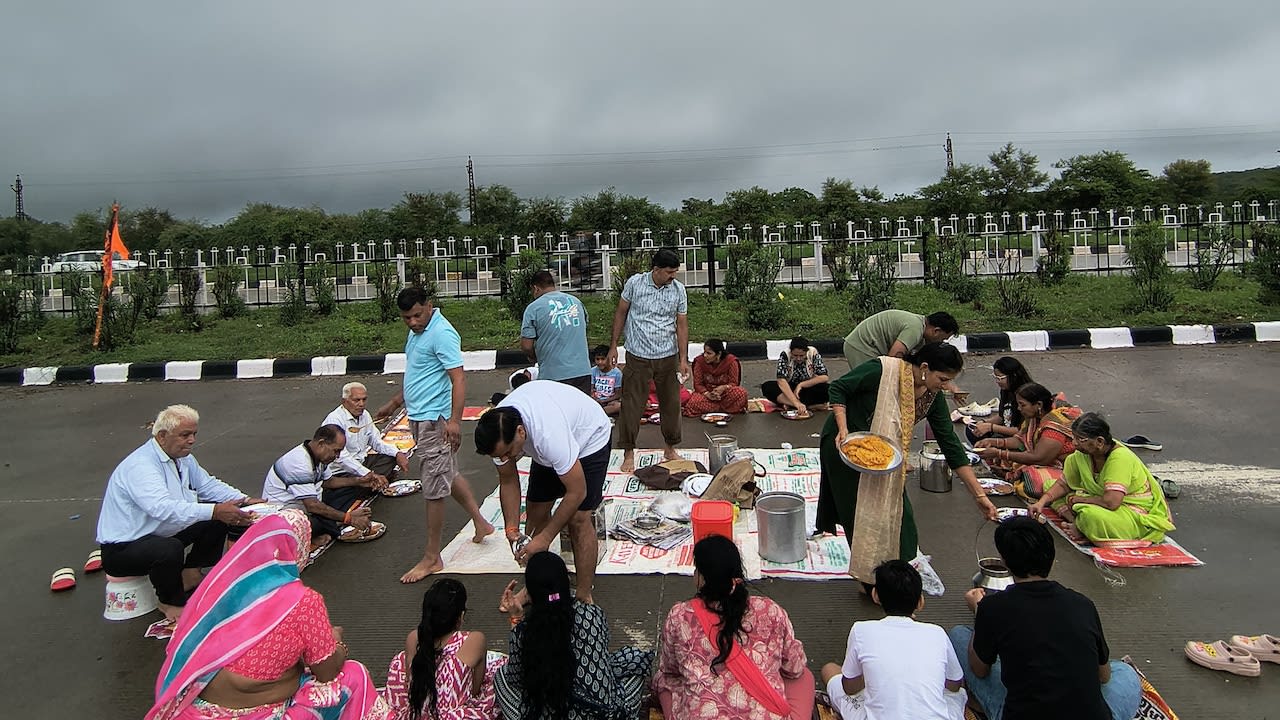
A viral video depicting a family eating on a Rajasthan highway was misrepresented online. Fact-checking confirms the footage simply shows a family having a meal on the roadside in Chittorgarh.
Contextualizing the Viral Misinformation
Recent social media discourse has been dominated by a viral video showing a family enjoying a meal on the side of a highway in Chittorgarh, Rajasthan. While the footage itself is authentic in its depiction of the scene, the narrative surrounding it has been heavily misrepresented. In an era where digital content can be stripped of its original context, this incident serves as a primary example of how mundane, everyday occurrences can be weaponized or sensationalized to serve various, often misleading, agendas.
The Reality of the Chittorgarh Incident
Upon rigorous fact-checking, it has been established that the footage captures a simple, unremarkable moment: a family pausing their journey to have a meal on the roadside. There is no evidence of distress, emergency, or any of the more dramatic scenarios often projected onto such viral clips by anonymous posters. The event is a reflection of common travel habits in rural and semi-urban India, where families frequently utilize public spaces for rest stops during long-distance road travel.
The Mechanics of Digital Misrepresentation
Why do such benign videos gain traction? The answer lies in the algorithmic nature of social media platforms, which prioritize high-engagement content. By assigning a false, often provocative narrative to a neutral video, content creators can manipulate public perception. In this instance, the misrepresentation of a family meal highlights the vulnerabilities of modern information consumption, where the lack of verified context allows for the rapid spread of fabricated stories.
Societal Implications and Digital Literacy
This incident underscores a critical need for enhanced digital literacy among the general populace. When viewers encounter viral videos, the propensity to accept a provided caption as truth—without questioning the source or the intent—remains high. This case study from Chittorgarh acts as a cautionary tale: what appears to be a notable event is often just a private moment captured without the subject's consent or knowledge, then re-packaged for public consumption.
Future Trends in Misinformation
As we look forward, the trend of misrepresenting everyday human experiences is likely to continue, especially as editing tools become more accessible. For the public, the takeaway is clear: skepticism is a necessary component of the digital experience. Moving forward, platforms and users alike must prioritize the verification of visual media to prevent the erosion of objective truth in the digital space. The Chittorgarh incident may seem minor, but it is a microcosm of the broader challenge we face in navigating the complex landscape of information.
Verification Required?