Bomb threat forces diversion of Air India Express flight to Ahmedabad
Source Entity
India Latest News: Top National Headlines Today & Breaking News | The Hindu
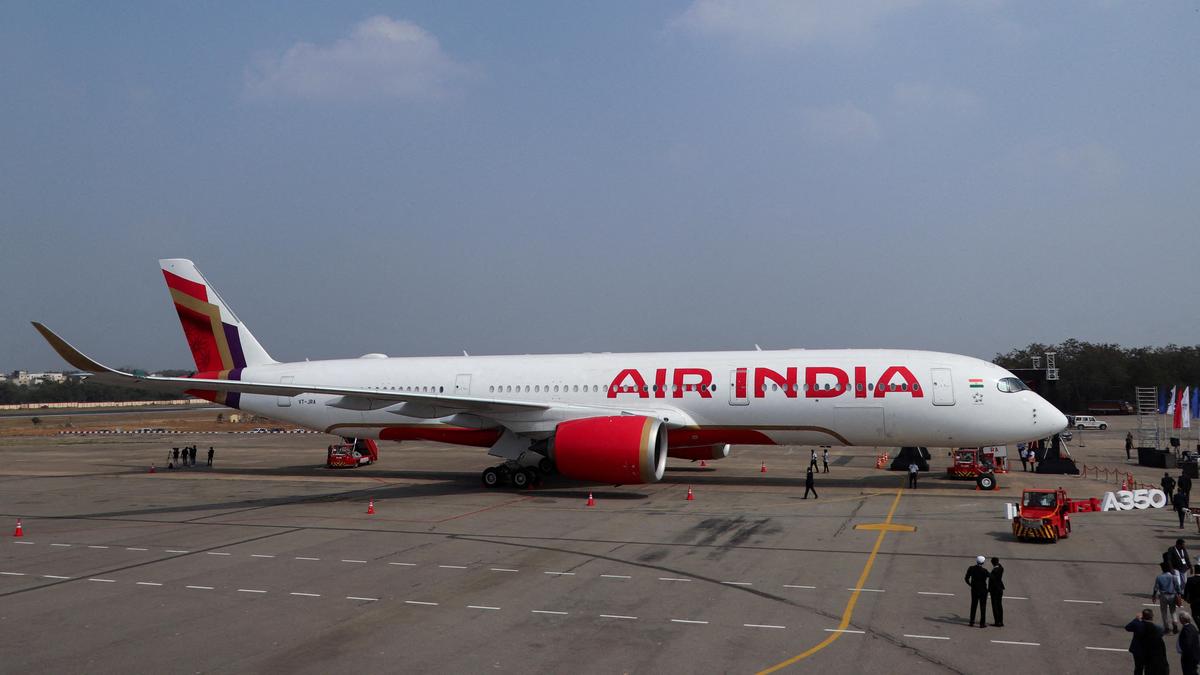
An Air India Express flight from Dammam to New Delhi was diverted to Ahmedabad following the discovery of a bomb threat written on a tissue paper. Security agencies conducted a thorough inspection and found no suspicious items, confirming the safety of all 32 passengers on board.
Security Incident: Air India Express Flight Diversion
The Incident Overview
An Air India Express flight operating from Dammam, Saudi Arabia, to New Delhi faced a significant security disruption when a crew member discovered a message written on a tissue paper warning of a bomb on board. In adherence to strict international aviation security protocols, the flight was immediately diverted to Ahmedabad, Gujarat, to ensure the safety of all individuals on the aircraft.
Immediate Response and Security Protocols
Upon the identification of the threat, the government-appointed Bomb Threat Assessment Committee (BTAC) was promptly alerted. The aircraft was taxied to an isolated bay at the Ahmedabad airport, a standard procedure designed to minimize risks to airport infrastructure and other flights in the event of an actual explosive device. All 32 passengers were successfully deboarded and accommodated at Terminal 2, ensuring their immediate well-being while security agencies commenced their sweep.
Investigation and Findings
Assistant Commissioner of Police (ACP) V. N. Yadav confirmed that after a comprehensive inspection of the aircraft by security agencies, nothing suspicious was found. This outcome suggests that the threat was a hoax, likely intended to cause panic or operational disruption. Despite the negative findings, the incident has triggered a formal investigation to trace the origin of the note and identify the individual responsible for the threat.
Broader Implications for Aviation Security
This incident highlights the persistent challenges faced by the aviation industry regarding security threats. Even when a threat is identified as a hoax, the economic and logistical costs are substantial, involving fuel consumption for diversion, ground handling delays, and the psychological impact on passengers. Modern aviation security relies on a zero-tolerance policy toward such threats, mandating that every report be treated as genuine until proven otherwise by specialized authorities.
Historical Context and Legal Ramifications
Hoax bomb threats against commercial airlines are viewed with extreme severity by global aviation authorities. Under Indian law and international aviation regulations, such acts are classified as serious criminal offenses. The investigation will likely involve forensic analysis of the physical evidence, including the tissue paper and surveillance footage, to hold the perpetrator accountable and deter future incidents.
Future Trends and Conclusion
As aviation security continues to evolve, the integration of advanced passenger profiling and enhanced cabin surveillance may serve as deterrents against such disruptions. While the Ahmedabad incident concluded without injury or damage, it serves as a reminder of the vigilance required by flight crews. The swift and professional response by the Air India Express crew and ground security teams underscores the robustness of existing safety frameworks in managing high-stakes airborne emergencies.
Multiple Citing Sources
Verification Required?