Visakhapatnam’s groundwater falls 3.86 metres in a year; six villages past 20 metres deep
Source Entity
India Latest News: Top National Headlines Today & Breaking News | The Hindu
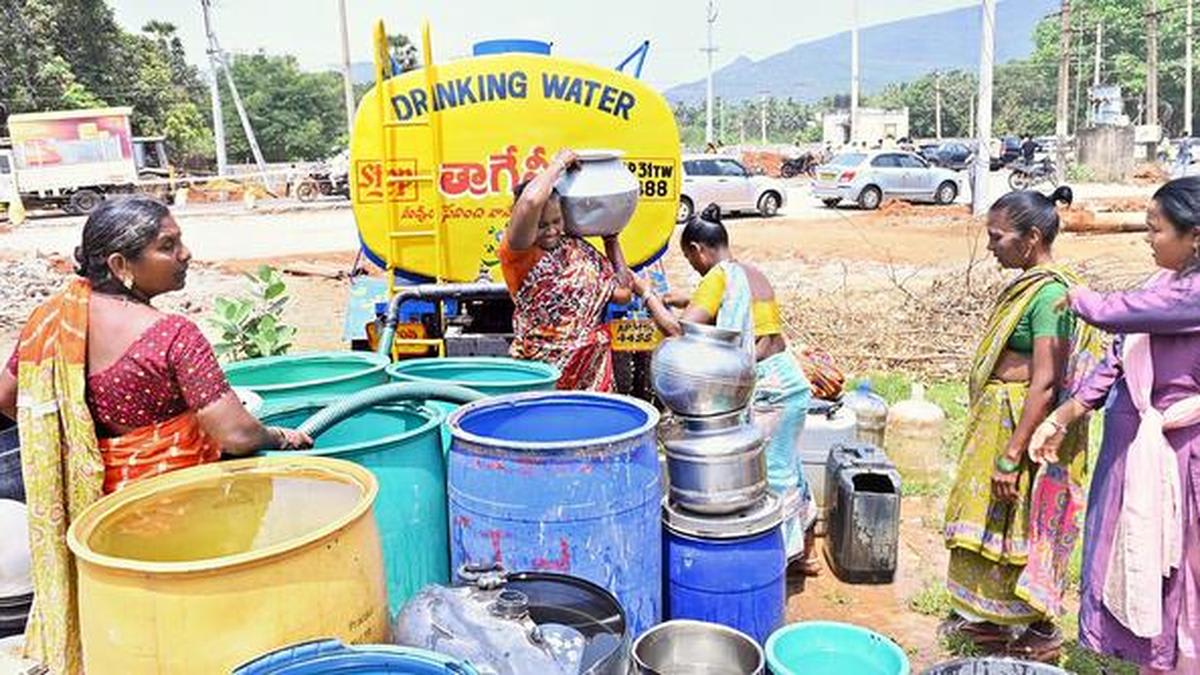
Visakhapatnam is facing a critical groundwater crisis with water tables dropping 3.86 metres in a year due to severe rainfall deficits and over-extraction. Authorities warn that urban expansion and lack of recharge zones are exacerbating this depletion.
The Rapid Depletion of Visakhapatnam’s Aquifers
Visakhapatnam is currently facing a severe hydrological challenge, as evidenced by recent data from the District Ground Water and Water Audit Department. The groundwater level in the district has plummeted by 3.86 metres within a single year, moving from 7.65 metres below ground in August 2025 to 11.51 metres by August 2026. This alarming trend indicates that the region's primary water sources are being consumed at a rate far exceeding their natural replenishment capacity, threatening the long-term water security of the local population.
The Impact of Climatic Deficits
The primary driver behind this rapid decline, according to District Ground Water Officer K. Pushpalatha, is an acute rainfall deficit. Data presented at a recent training programme on sustainable groundwater management at the GITAM School of Science revealed that the district received only 92.39 mm of rainfall against a seasonal norm of 177.3 mm. This 47.89% deficit creates a negative feedback loop where lack of surface water forces an increased reliance on groundwater, preventing the natural recharge cycles necessary to sustain the water table.
Urbanization and Extraction Pressures
Beyond climate factors, the crisis is compounded by human activity. The prevalence of heavy borewell extraction is putting immense pressure on local aquifers. Furthermore, the expansion of concrete cover in urban areas acts as an impermeable layer that prevents rainwater from percolating into the soil. This 'urban heat island' and 'sealed surface' effect effectively blocks potential recharge zones, ensuring that even when rain does fall, it is lost to runoff rather than replenishing the deeper groundwater levels.
Geographic Scope of the Crisis
The scale of the issue is widespread, affecting both rural and urban landscapes. Current audits show that 135 habitations, including 39 urban wards, are currently dealing with groundwater depths between six and 20 metres. Even more concerning is the status of six villages that have already crossed the 20-metre threshold. This categorization highlights a critical transition from manageable water scarcity to a state of extreme stress that could render existing shallow wells and borewells completely non-functional.
Future Implications and Management Strategies
The data shared by the Central Ground Water Board and academic partners suggests that without immediate intervention, the district faces a precarious future. Sustainable management will require a transition toward integrated strategies that prioritize water conservation, the creation of artificial recharge structures, and stricter regulations on borewell extraction. As Visakhapatnam continues to grow, balancing developmental needs with the physical limits of its subterranean water resources will be the defining challenge for local environmental policy in the coming decade.
Verification Required?