Justice delayed or justice denied? Apple executive Vivek Tiwari case
Source Entity
LAIRENLAKPAM WARLI
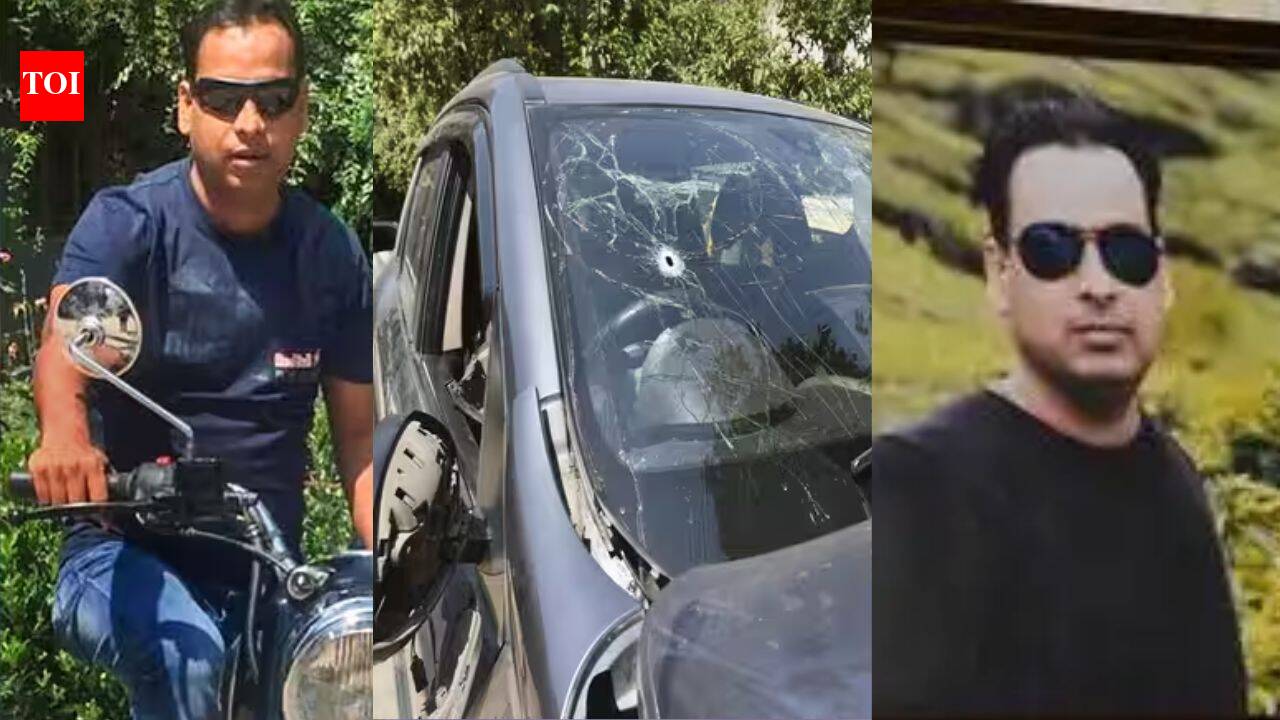
A Lucknow court has sentenced police constable Prashant Kumar Chaudhary to 10 years for the 2018 killing of Apple executive Vivek Tiwari. The victim's family intends to appeal the verdict, citing dissatisfaction with both the conviction for culpable homicide and the acquittal of the co-accused.
The 2018 Vivek Tiwari Case: A Judicial Assessment
In a case that has spanned eight years of legal proceedings, a Lucknow sessions court has reached a verdict regarding the 2018 killing of Apple executive Vivek Tiwari. Police constable Prashant Kumar Chaudhary has been sentenced to 10 years of rigorous imprisonment for culpable homicide not amounting to murder. The ruling, which also includes a fine of Rs 20,000, marks a significant, albeit contentious, conclusion to an incident that sparked widespread public debate regarding police conduct and the use of force in Uttar Pradesh.
The Forensic Evidence and Judicial Reasoning
The court’s decision relied heavily on forensic evidence, specifically a Forensic Science Laboratory (FSL) report which confirmed that the bullet that killed Tiwari was discharged from a 9mm service pistol assigned to Chaudhary. Despite this, the court opted for a conviction of culpable homicide rather than murder. This distinction suggests that the court found insufficient evidence to prove the intent required for a murder conviction, noting specifically that only a single shot was fired during the encounter, which likely influenced the court’s determination of the defendant's state of mind at the time of the incident.
The Acquittal of Co-accused Sandeep Kumar
One of the most controversial aspects of the verdict is the acquittal of constable Sandeep Kumar, who was present during the incident. The court cited insufficient evidence against him, which has become a primary point of contention for the victim's family. In criminal law, the burden of proof rests heavily on the prosecution to establish individual liability; the acquittal highlights the difficulty in proving collective culpability in police encounter scenarios where testimonies and physical evidence might be fragmented or conflicting.
Public Perception and the Question of Justice
The phrase "justice delayed is justice denied" has become the rallying cry for the Tiwari family, who have publicly expressed their dissatisfaction with the 10-year sentence and the acquittal of the second officer. The eight-year duration of the trial itself serves as a stark reminder of the challenges within the Indian judicial system regarding the timely delivery of justice in high-profile cases. The family’s stated intention to appeal suggests that the legal battle is far from over and may undergo further scrutiny in higher courts.
Broader Implications for Law Enforcement
This case serves as a critical case study on the use of service weapons and the accountability of law enforcement officers in India. The incident has historically prompted discussions about police training, the protocols for vehicle stops, and the systemic protections afforded to personnel. By sentencing a police officer to a decade in prison, the judiciary has sent a signal regarding accountability, yet the specific charge of culpable homicide continues to fuel debate over whether the punishment is commensurate with the loss of life.
Looking Ahead: The Path for Appeal
As the case moves toward potential appellate review, the focus will likely shift to whether the prosecution can provide stronger evidence to challenge the acquittal of Sandeep Kumar or if the higher courts will uphold the current classification of the crime. The outcome of the appeal will be closely watched by legal experts and the public alike, as it will set a precedent for how similar cases involving police encounters are adjudicated in the future.