Environmental, social costs of Vizhinjam port railway tunnel to be higher than anticipated
Source Entity
India Latest News: Top National Headlines Today & Breaking News | The Hindu
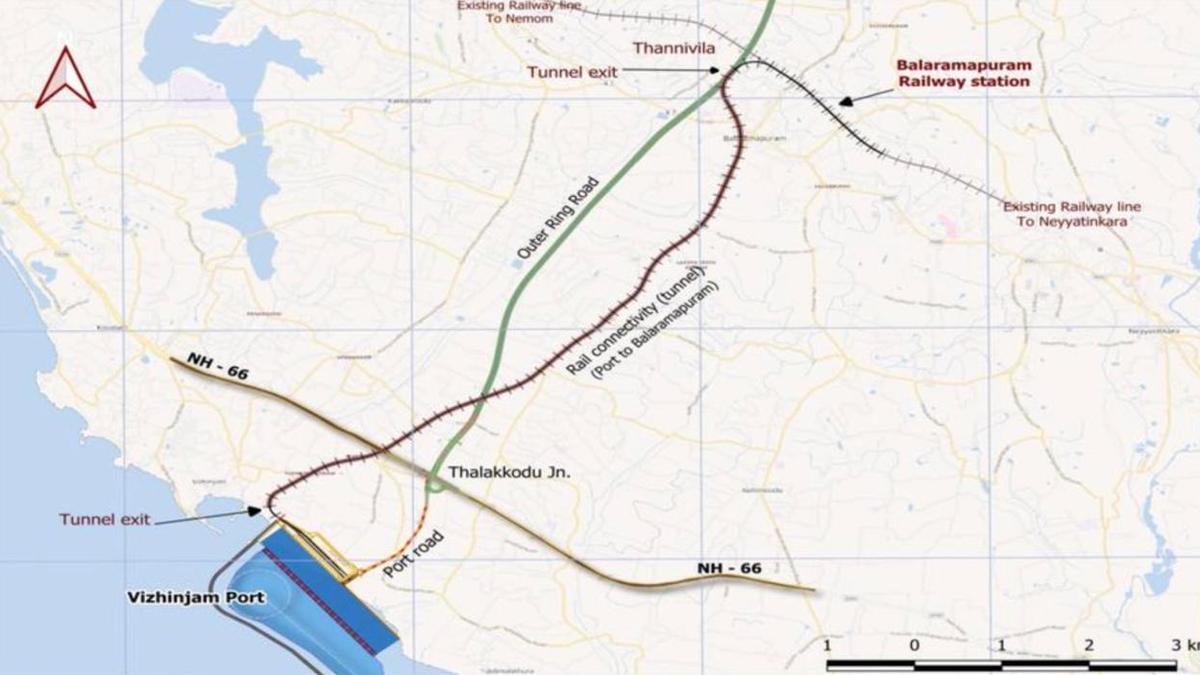
The proposed ₹1,500 crore railway tunnel to Vizhinjam International Seaport faces scrutiny over environmental and land stability risks. Experts question the project's viability and social impact, especially given the availability of alternative alignments.
The Vizhinjam Rail Tunnel: Balancing Infrastructure and Ecology
The proposed development of a railway tunnel connecting Balaramapuram to the Vizhinjam International Seaport has emerged as a significant point of contention in Kerala’s infrastructure landscape. With a projected cost exceeding ₹1,500 crore, the project is intended to provide critical rail connectivity to the port. However, the decision to proceed with a tunnel through a densely populated region has sparked intense debate regarding the true costs—both environmental and social—of such a massive undertaking.
Environmental and Structural Concerns
At the heart of the opposition are grave concerns regarding land stability. Constructing a major tunnel through populated areas inherently risks geological disturbances, potentially leading to ground subsidence or structural damage to existing habitations. Experts argue that the environmental impact of such a project has not been adequately mitigated, leading to fears that the short-term gains of port accessibility may be overshadowed by long-term ecological and structural degradation.
The Question of Alternative Alignment
The controversy is further fueled by the existence of an alternative land alignment that could potentially bypass the need for a high-risk tunnel. Critics of the current plan point to this availability as evidence of poor urban planning, suggesting that the government’s choice of the tunnel route ignores the principles of sustainable development. This decision has raised questions about the transparency and feasibility studies conducted prior to finalizing the current project trajectory.
Socio-Economic Implications
Beyond the physical risks, the social cost to the local communities is immense. Densely populated regions are particularly vulnerable to the disruption caused by massive infrastructure projects. The displacement of residents and the potential for long-term health and safety risks in the construction zone have led to widespread public outcry. The state government now faces the challenge of reconciling its commitment to industrial growth with the fundamental right to safety and stability for its citizens.
Future Trends and Strategic Outlook
As the country’s third-longest railway tunnel and the state’s second major tunnel project, this initiative represents a high-stakes bet on the future of maritime trade in India. However, the current resistance highlights a growing trend where infrastructure projects are no longer viewed solely through the lens of economic utility. Moving forward, the success of such projects will depend heavily on the government's ability to engage with public concerns, perform rigorous independent impact assessments, and remain open to modifying plans when more sustainable alternatives exist. The resolution of this dispute will likely set a precedent for how future large-scale projects are managed in the region.
Verification Required?