Local body poll postponement: Vizianagaram Mayor candidates gain more campaign time
Source Entity
India Latest News: Top National Headlines Today & Breaking News | The Hindu
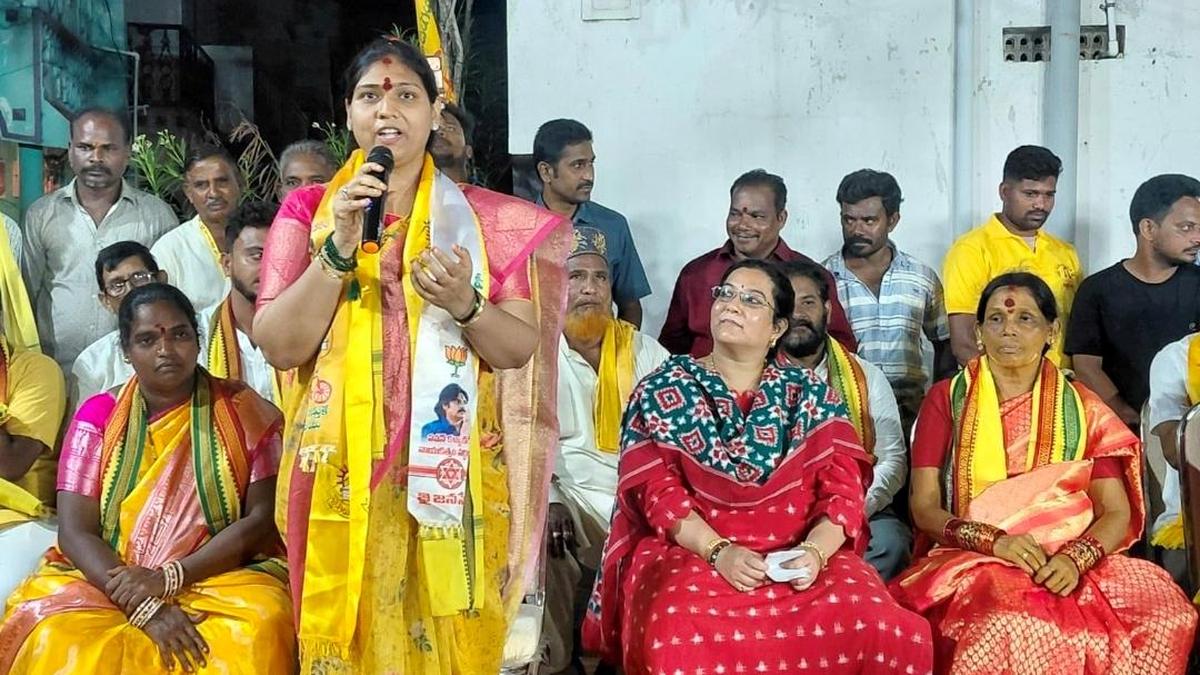
The postponement of local body elections in Vizianagaram, mandated by the Supreme Court, has extended the campaign window for mayoral candidates. This shift provides a strategic advantage to lesser-known candidates, allowing them to better reach voters across all 62 municipal divisions.
The Strategic Impact of Election Postponements in Vizianagaram
A Shift in the Electoral Landscape
The State Election Commission’s (SEC) recent decision to defer local body elections in Vizianagaram, prompted by a Supreme Court directive, has fundamentally altered the competitive landscape for municipal leadership. Originally constrained by a rigid five-day campaign window—spanning from October 21 to 26—candidates were tasked with the monumental objective of reaching voters across 62 distinct municipal divisions. This temporal pressure created a significant barrier to entry, particularly for those lacking the established infrastructure of major political parties.
Challenges for Independent and Minor Party Candidates
For independent mayoral candidates and those representing smaller political entities, the initial five-day schedule posed a severe disadvantage. In local government elections, name recognition and personal outreach are paramount. When candidates are not widely known to the urban electorate, a compressed timeline limits their ability to conduct door-to-door campaigning or public rallies. The postponement effectively removes this artificial bottleneck, offering these candidates a fair opportunity to introduce their platforms and build the necessary rapport with constituents in each of the 62 divisions.
Strategic Realignment and Voter Engagement
Political analysts have observed that this pause is more than just a logistical delay; it represents a critical window for strategic refinement. With the immediate pressure of the original deadline lifted, candidates are now afforded the time to analyze demographic data and rework their communication strategies. This allows for the development of more granular action plans, ensuring that campaign resources are allocated efficiently across the diverse geographic and social landscape of the corporation.
The Broader Implications for Local Democracy
The intervention of the Supreme Court highlights the complexities of managing local body elections within a broader legal and administrative framework. By ensuring that the electoral process is not rushed, the judicial directive indirectly promotes a more deliberative democratic process. When candidates have sufficient time to engage with the public, the quality of discourse is likely to improve, potentially leading to higher voter turnout and a more informed electoral choice.
Looking Toward Future Trends
As the political landscape in Vizianagaram evolves, this event serves as a case study in how administrative delays can influence local power dynamics. The ability of candidates to adapt their messaging and outreach tactics during this extended period will likely determine the success of minor parties and independents in the upcoming polls. Moving forward, the effectiveness of these newly developed strategies will provide insight into whether expanded campaign windows lead to more inclusive municipal representation or simply prolong the dominance of well-funded political machinery.
Verification Required?