Scientists petition to scrap SIR ‘disenfranchisement exercise’
Source Entity
India Latest News: Top National Headlines Today & Breaking News | The Hindu
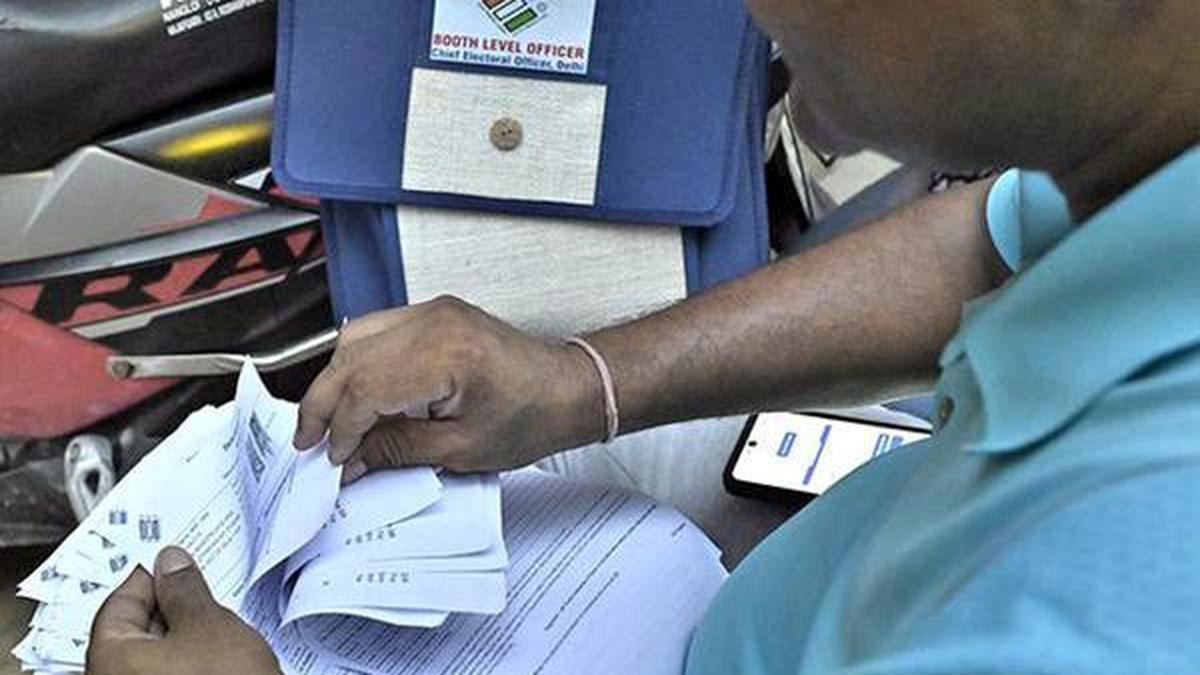
A group of prominent Indian scientists has petitioned the Election Commission to halt the Special Intensive Revision of electoral rolls. They cite concerns over the disenfranchisement of eligible voters and demand immediate corrective measures.
Scientific Community Challenges Electoral Roll Integrity
In an unprecedented move, a collective of independent researchers and academics from India’s premier institutions has formally petitioned the Election Commission of India (ECI) to scrap the Special Intensive Revision (SIR) exercise. The signatories, representing elite centers of learning such as the Indian Institute of Science (IISc), IIT Delhi, and the Institute of Mathematical Sciences, Chennai, have voiced serious concerns regarding the transparency and accuracy of the current electoral roll updates. By demanding the immediate restoration of individuals wrongly excluded, these scholars are bringing rigorous scrutiny to the administrative processes that underpin India’s democratic infrastructure.
The Nature of the Petition
The open letter, dated October 23, 2026, highlights a growing apprehension among the intellectual community regarding the disenfranchisement of voters. The petitioners argue that the SIR process, as currently executed, has resulted in the systematic exclusion of eligible citizens. While the signatories have clarified that they are acting in their individual capacities—distinct from the official positions of their respective institutions—the sheer breadth of their collective expertise lends significant weight to the call for a more robust and inclusive electoral verification process.
Implications for Democratic Participation
The integrity of electoral rolls is the bedrock of any representative democracy. When academics—who often rely on data-driven methodologies—identify patterns of exclusion, it suggests a systemic issue that extends beyond mere bureaucratic error. The demand to scrap the SIR exercise indicates a belief that the current methodology is fundamentally flawed or susceptible to bias. If left unaddressed, such disenfranchisement could lead to a significant erosion of public trust in the electoral process, potentially suppressing voter turnout and skewing political outcomes.
Institutional Independence and Civic Duty
It is noteworthy that these scientists have taken pains to emphasize that their views do not represent their affiliated institutions. This distinction is critical in the current sociopolitical climate, as it allows these experts to advocate for civil rights without compromising the neutrality of state-funded research bodies. By stepping out of their laboratories and into the civic arena, these researchers are asserting that the health of the nation’s democracy is a matter of scientific concern, requiring the same level of analytical precision and transparency as their academic work.
Future Trends and ECI Accountability
The ECI now faces the challenge of responding to a highly credible group of critics. Historically, the Commission has maintained autonomy in its electoral revisions, but the public nature of this petition forces a more transparent dialogue. Moving forward, the ECI will likely need to conduct a comprehensive audit of the SIR process to address these grievances. The outcome of this petition may set a precedent for how technological and administrative revisions to voter rolls are managed in the future, potentially leading to more stringent oversight and public accountability measures to ensure no eligible voter is left behind.
Verification Required?