Voter lists shrink by more than 15% since 2024 in States where SIR phase-3 draft lists are out
Source Entity
India Latest News: Top National Headlines Today & Breaking News | The Hindu
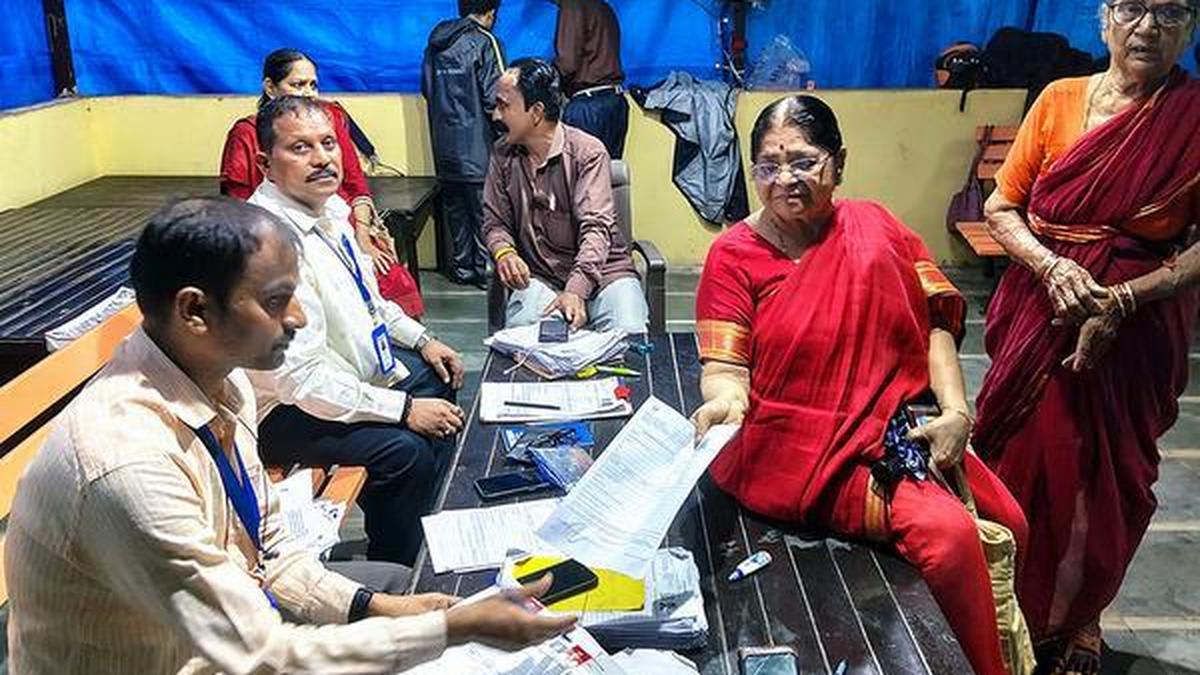
Voter rolls across 17 Indian states have shrunk by over 15% following the Election Commission's Special Intensive Revision, sparking concerns over systemic errors and political misuse. Reports of eligible voters being marked as 'dead' and targeted deletion attempts in Jharkhand highlight significant integrity challenges in the electoral process.
The Shrinking Electorate: Analyzing the Special Intensive Revision (SIR) Fallout
Recent data released by the Election Commission of India (ECI) reveals a significant contraction in voter rolls across 17 States and Union Territories currently undergoing the third phase of the Special Intensive Revision (SIR). Following the 2024 Lok Sabha elections, the cumulative voter count in these regions has plummeted from approximately 35.5 crore to 29.9 crore, representing a 15.7% decrease. This massive reduction, while ostensibly intended to clean up electoral rolls, has raised urgent questions regarding the administrative efficacy and transparency of the revision process.
Disproportionate Impacts: Maharashtra, Delhi, and Chandigarh
The scale of this deletion is not uniform, with specific regions facing staggering losses. Maharashtra stands out for the sheer magnitude of the decline, losing nearly 15.9 million electors. However, the percentage-based dips in Delhi (35.89%) and Chandigarh (31.84%) are particularly alarming, suggesting that nearly one-third of the previously registered electorate has been removed. While the ECI had noted the addition of 5.77 million new voters during the enumeration phase, this figure is dwarfed by the massive volume of removals, necessitating a closer look at the criteria used to purge these names.
The Human Cost: 'Marked Dead' and Administrative Errors
The integrity of the SIR process is further challenged by individual accounts of bureaucratic failure. The case of Kanta Prasad in Delhi, who discovered he had been erroneously marked as 'dead' in the draft rolls, serves as a poignant example of the potential for systemic error. Despite presenting valid identification, Prasad found his name struck off under the 'ASDD' (Absent, Shifted, Dead, Duplicate) category without prior notification. This suggests that the mechanisms for verifying the status of voters may be prone to significant, life-altering inaccuracies that threaten the fundamental right to franchise.
Political Sabotage and Targeted Deletions
Beyond administrative error, there are explicit concerns regarding the political weaponization of the deletion process. In Jharkhand’s Godda district, the arrest of a Booth Level Agent (BLA) for allegedly submitting 200 Form 7 applications—specifically targeting minority community voters—has ignited a firestorm of controversy. The fact that the Booth Level Officer (BLO) herself was among those targeted for deletion underscores the potential for bad actors to manipulate the SIR exercise to achieve partisan outcomes, undermining the neutral mandate of the electoral roll revision.
Broader Implications for Electoral Integrity
The transition from the high-participation environment of the 2024 Lok Sabha elections to this current revision phase highlights a precarious moment for India’s democratic infrastructure. When deletion processes are opaque or susceptible to local political interference, the public trust in the ECI’s ability to maintain a 'clean' roll is eroded. The combination of mass deletions, administrative errors like those seen in Delhi, and deliberate attempts at voter disenfranchisement in Jharkhand necessitates a more robust oversight mechanism.
Future Trends and Necessary Reforms
Looking ahead, the ECI must address the systemic vulnerabilities exposed by the SIR process. If the current trajectory of mass deletions continues, the ECI may face increased legal challenges and public demand for a more transparent, verifiable process of 'ASDD' categorization. Future electoral integrity will depend on whether the Commission can implement corrective measures that allow citizens to contest erroneous 'dead' or 'shifted' statuses without the current bureaucratic hurdles. Without such reforms, the legitimacy of future electoral rolls remains at risk.
Verification Required?