Declared ‘illegal’, mosque in Saharanpur collectorate complex razed, mutawalli says due process not followed
Source Entity
Manish Sahu
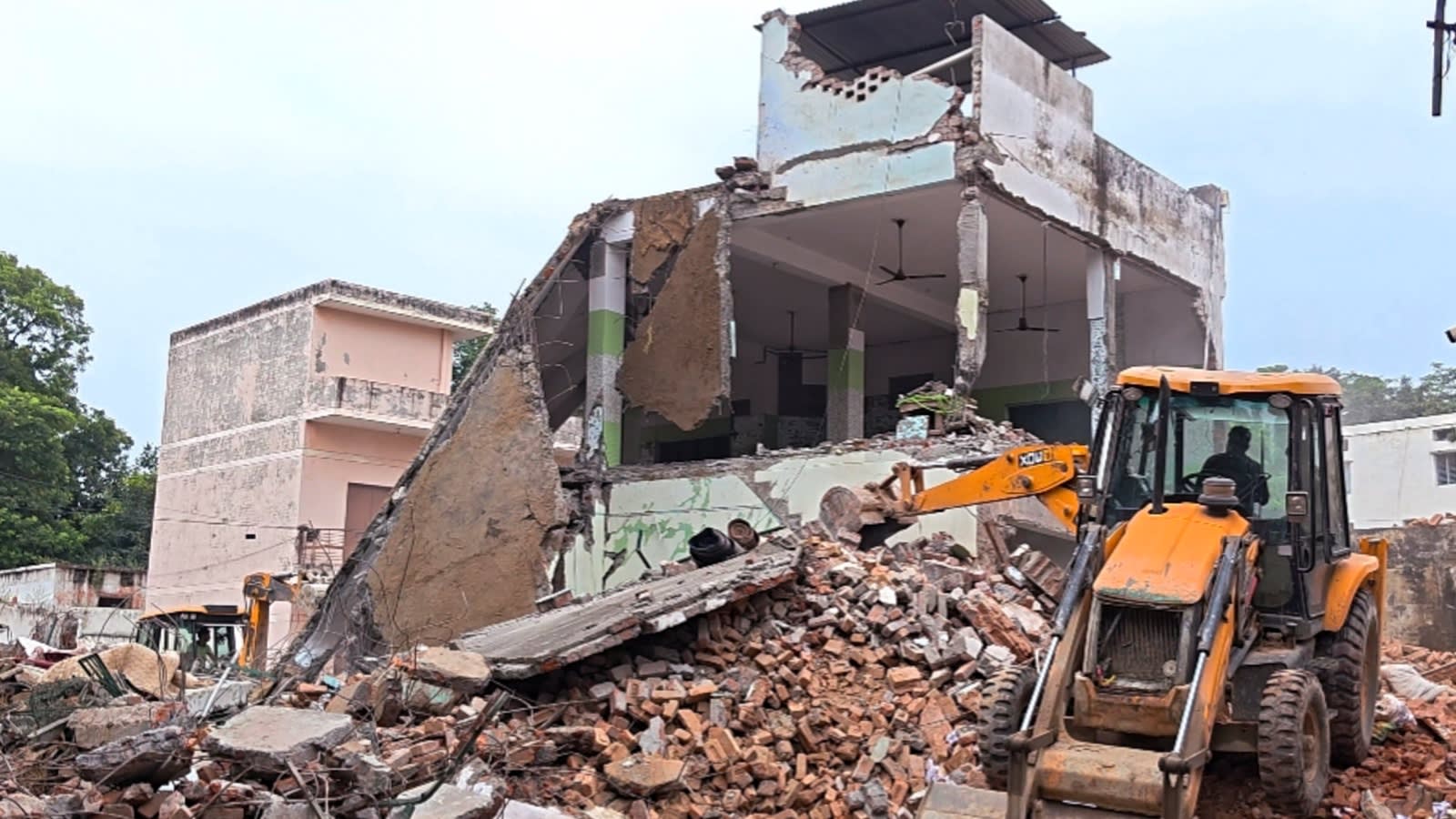
The Uttarakhand Waqf Board is revising the nikahnama to align with the Uniform Civil Code, proposing equal inheritance rights for daughters. Simultaneously, a mosque in Saharanpur was demolished following a court order declaring it an illegal structure.
Legislative Reform and Property Rights in Uttarakhand
The Uttarakhand Waqf Board has initiated a significant procedural overhaul of the nikahnama (Islamic marriage contract) to ensure alignment with the state’s Uniform Civil Code (UCC). Board Chairman Shadab Shams has announced that the revised document will eliminate columns previously used for multiple marriages, reflecting the UCC’s mandate that restricts a Muslim man to a single marriage. This shift represents a deliberate attempt to harmonize regional religious practices with the overarching legal framework of the state, marking a departure from traditional contractual norms.
Redefining Inheritance and Equality
Beyond marital status, the proposed reforms address the sensitive issue of inheritance. Under current Sharia-based practices, inheritance laws often dictate that a daughter receives a fixed share, typically half of that afforded to a son. The Waqf Board’s proposal seeks to override this, stipulating that daughters retain an equal stake in their father’s property even after marriage. This move signals an attempt to institutionalize gender-neutral inheritance rights within the Muslim community in Uttarakhand, positioning the UCC as the primary vehicle for social and economic reform.
Demolition of the Saharanpur Mosque
In a parallel development, the administration in Saharanpur, Uttar Pradesh, executed the demolition of a mosque located within the collectorate complex. The structure had been labeled "illegal" by local authorities, leading to a legal battle that culminated in a September 2 court ruling. The dismissal of the mosque management committee’s appeal by a local court provided the legal basis for the city magistrate to proceed with the eviction and subsequent destruction of the site.
Due Process and Administrative Tension
The demolition has sparked controversy, with the mosque management committee alleging that due process was not adequately followed. Conversely, City Magistrate Kuldeep Singh maintained that the action was justified under the court’s authority. The timing of the demolition—conducted at 6:45 am under heavy police deployment—highlights the high-stakes nature of managing religious infrastructure on government-designated land and the potential for friction between administrative authorities and local religious committees.
Broader Implications for Secular Governance
These two events highlight a growing trend in Northern India regarding the regulation of religious institutions and personal law. The Uttarakhand Waqf Board’s proactive revision of the nikahnama suggests an era where state-led legal codes are increasingly encroaching upon traditional religious contracts. Simultaneously, the Saharanpur incident underscores the rigorous enforcement of land-use policies concerning religious structures. Together, these developments reflect a shifting landscape where administrative and judicial oversight is being applied more stringently to both the legal practices and the physical presence of religious communities.