‘It was scripted, a joke’: Delhi influencer apologises over racial abuse of Tripura youth
Source Entity
PRACHI KUMAWAT
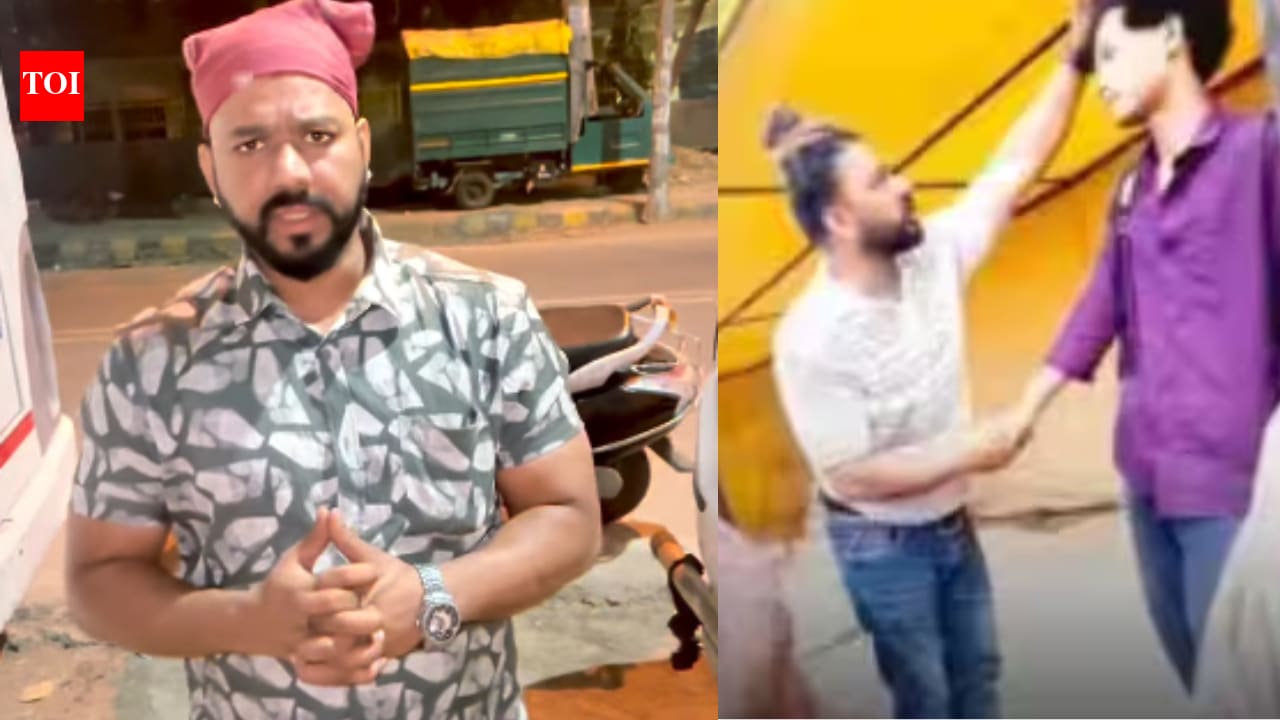
Social media influencer Amir Shokeen faces a police investigation after a video mocking a tribal youth from Tripura sparked widespread outrage. While Shokeen claims the encounter was a scripted joke, political leaders have condemned the act as racial harassment.
The Controversy Surrounding Amir Shokeen
A recent video featuring Delhi-based social media influencer Amir Shokeen has ignited a firestorm of political and social backlash across Northeast India. The footage, which shows Shokeen mocking a tribal youth from Tripura’s Gomati district by questioning his nationality and disparaging his home state, has been widely condemned as a racial attack. The incident has transcended the digital sphere, drawing sharp rebukes from high-ranking political figures and prompting immediate administrative intervention.
Administrative and Political Response
The gravity of the situation prompted swift action from the highest levels of government. Tripura Chief Minister Manik Saha has formally directed the state’s Director General of Police (DGP) to coordinate directly with the Delhi Police to ensure a comprehensive investigation into the matter. This cross-state cooperation highlights the seriousness with which authorities are treating allegations of racial harassment, particularly when they involve individuals from marginalized tribal communities.
The 'Scripted' Defense vs. Public Outrage
In the wake of the intense public outcry, Amir Shokeen has issued a public apology, asserting that the interaction was a "scripted" joke and claiming that he has produced over 2,000 videos without intending to hurt any community. However, this defense has largely failed to quell the anger of advocacy groups. The Tripura Students Forum Delhi has been instrumental in the push for accountability, filing formal complaints that have led the Delhi Police’s Intelligence Fusion and Strategic Operations (IFSO) unit to open an investigation.
Broader Implications for Digital Content Creators
This incident serves as a stark reminder of the ethical responsibilities inherent in the digital content creation industry. When influencers use their platforms to mock or diminish the identity of individuals—particularly those from ethnic or tribal minorities—the consequences extend beyond mere social media backlash. The incident has sparked a broader conversation in the Northeast regarding the systemic bias and lack of cultural sensitivity often displayed by creators in mainland India toward the tribal populations of the region.
Historical Context and Regional Tensions
The outrage felt across the Northeast is deeply rooted in historical feelings of alienation and the struggle for recognition within the national discourse. By mocking a youth's Indian identity and his home state, the video touched a raw nerve, leading to unified condemnation from political parties across the spectrum in Tripura. The demand for legal action is not merely about a single video, but about establishing a precedent that racial taunting and discriminatory behavior will not be tolerated in the digital age.
Future Trends and Accountability
As the Delhi Police’s IFSO unit proceeds with its probe, this case is likely to set a significant precedent for how law enforcement handles cases of cyber-harassment and racial abuse committed by influencers. If legal action is taken, it may serve as a deterrent for other creators who rely on controversial or derogatory content for clout. Ultimately, this event highlights the growing power of digital activism, where community-led pressure can successfully trigger official state investigations into acts of prejudice.
Multiple Citing Sources