CJP leaders released after court rejects police plea for extended custody
Source Entity
India Latest News: Top National Headlines Today & Breaking News | The Hindu
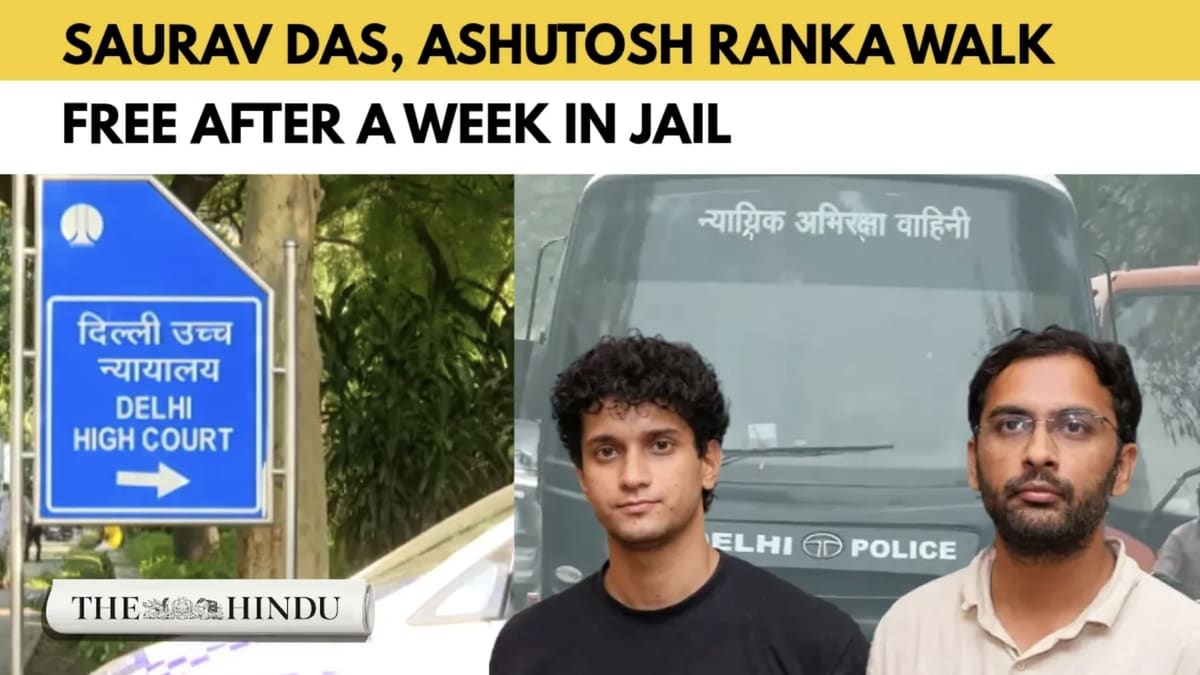
Cockroach Janta Party leaders Saurav Das and Ashutosh Ranka have been released from judicial custody following a protest at Jantar Mantar. Despite their release, the duo continues to face legal scrutiny as they were summoned by Delhi Police shortly thereafter.
The Legal Battle of the Cockroach Janta Party
Following a week of incarceration, Cockroach Janta Party (CJP) leaders Saurav Das and Ashutosh Ranka were released from judicial custody on October 21, 2026. The release was ordered by a Special Executive Magistrate in Delhi after the expiry of their seven-day detention period, which stemmed from their involvement in a protest at Jantar Mantar on October 14. This event highlights the ongoing friction between the CJP’s grassroots activism and the stringent administrative regulations governing protest sites in the national capital.
The Conditions of Freedom
The court’s decision to grant release was not unconditional. To secure their freedom, Das and Ranka were required to submit formal undertakings to the magistrate. These legal commitments mandate that the leaders refrain from organizing future protests at Jantar Mantar while the site remains under a denotified status. Furthermore, they have pledged to maintain public peace, a standard requirement in preventive legal actions aimed at curbing civil unrest in high-security zones like central Delhi.
Internal Dynamics and Leadership Recognition
In the wake of their release, the CJP leadership dynamics have come into the spotlight. Founder Abhijeet Dipke publicly lauded Das and Ranka, characterizing them as "much, much bigger leaders" than himself. This public show of solidarity and deference suggests a strategic effort to bolster the morale of the party rank-and-file. By positioning his colleagues as martyrs for the cause, Dipke is likely attempting to consolidate support and frame the legal ordeal as a badge of political legitimacy.
Escalating Legal Pressure
Despite the judicial relief, the legal challenges for the CJP are far from over. Reports indicate that both Das and Ranka were summoned by the Delhi Police just one day after their release. This move signals that the authorities remain focused on the potential for continued disruption. The juxtaposition of their release with an immediate summons underscores the precarious environment in which the CJP operates, where administrative compliance and political dissent often collide.
Broader Implications for Protest Politics
The case of the CJP serves as a microcosm for the broader challenges faced by smaller political entities attempting to mobilize in Delhi. The use of preventive detention and the reliance on site-specific denotification are tools often employed by law enforcement to manage public space. As the CJP navigates these restrictions, their ability to sustain momentum will depend on their capacity to balance their activist identity with the legal constraints set by the judicial system. The party's future activities will likely be scrutinized heavily, as they remain under the watchful eye of the authorities.
Multiple Citing Sources
Verification Required?