The Vvaan: Vocalist claims makers used his song Aigiri Nandini in trailer without permission, threatens legal action
Source Entity
Latest News: Todays Latest News Headlines from India & World | Hindustan Times | Hindustan Times
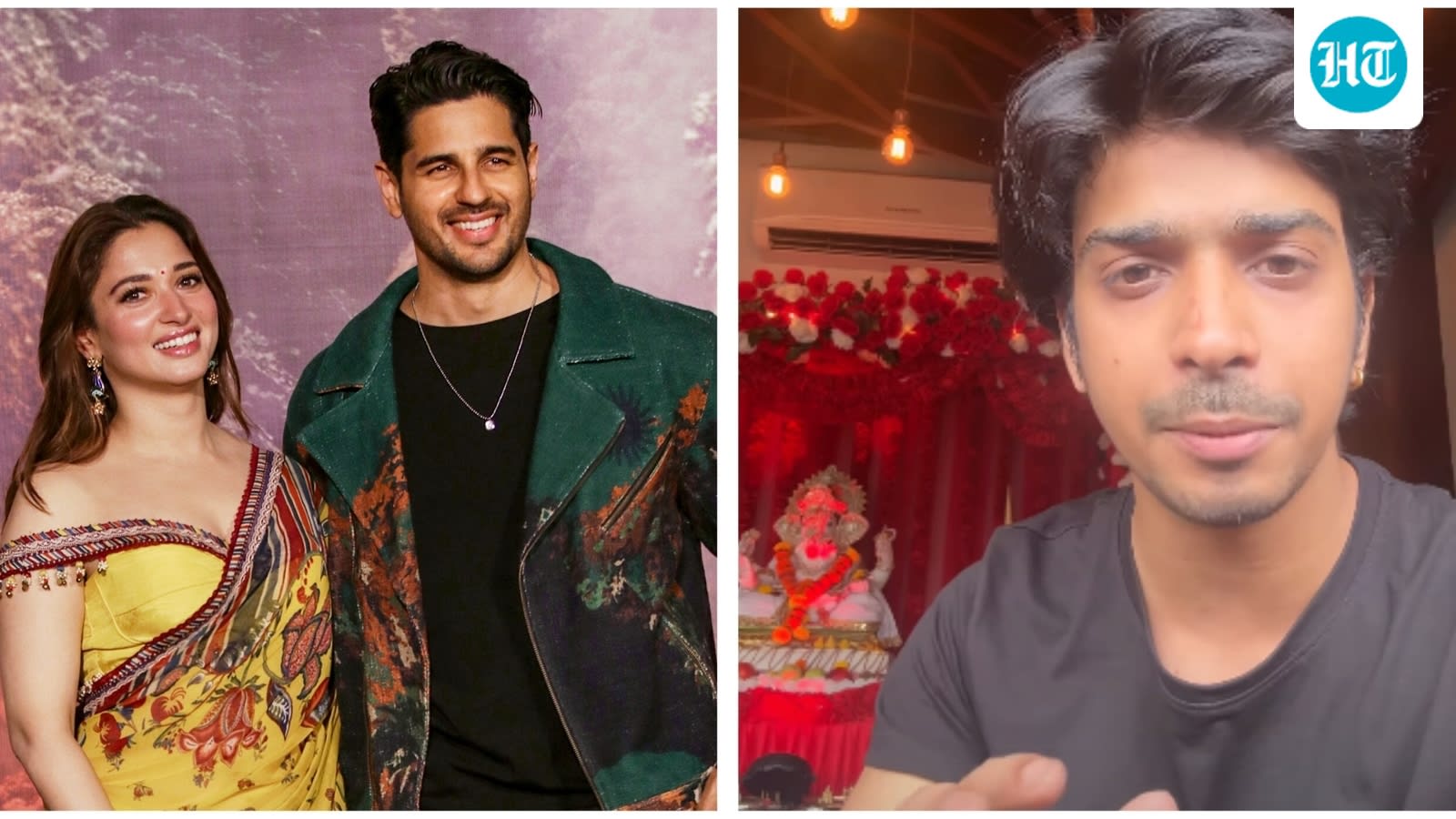
Composer Sargam Vaish has accused the makers of the film 'The Vvaan' of using his composition 'Aigiri Nandini' in their trailer without permission. The artist is demanding the removal of the content and has threatened legal action against the production team.
Intellectual Property Disputes in the Hindi Film Industry
The controversy surrounding the film The Vvaan - Force Of The Forrest, starring Sidharth Malhotra and Tamannaah Bhatia, has brought the issue of intellectual property rights in the Indian entertainment sector back into the spotlight. Composer and vocalist Sargam Vaish has publicly accused the film's production team of utilizing his original composition, 'Aigiri Nandini,' within the promotional trailer without obtaining the necessary clearances or permissions. Vaish, who claims to have dedicated three years to the development of this specific track, has provided visual evidence on social media, highlighting the exact timestamp—between 1:08 and 1:30—where his work appears in the trailer.
The Growing Trend of Plagiarism Allegations
This incident is not an isolated case but rather part of a broader, concerning trend within the Hindi film industry. Independent artists are increasingly vocal about their works being utilized by large-scale productions without proper attribution or legal consent. Recently, the makers of the popular series Mirzapur faced similar accusations from artist Rapperiya Balam, indicating a systemic friction between independent musicians and established production houses. These patterns suggest that the digital age, while providing platforms for artists to showcase their work, has also made it easier for creative property to be misappropriated by entities with greater institutional power.
The Ethics of Artistic Credit
At the core of this dispute is the fundamental right of an artist to control the distribution and usage of their creative labor. Sargam Vaish’s public assertion that 'no artist’s work should be used without their permission' resonates with a growing movement among independent creators demanding transparency and fair compensation. For a composer, a work like 'Aigiri Nandini' represents years of artistic investment; having that work integrated into a high-profile trailer without notice devalues the creator's autonomy and potential revenue streams.
Potential Legal and Reputational Repercussions
By threatening legal action, Vaish is escalating the situation beyond a mere social media grievance. If the production team fails to address these claims—either by securing retrospective rights or removing the content—the dispute could lead to formal litigation regarding copyright infringement. Beyond the courtroom, such allegations can severely impact the public perception of a film. In an era where social media allows for immediate audience feedback, a controversy centered on the lack of artistic integrity can cast a shadow over the marketing efforts of a film, potentially alienating viewers who value ethical creative practices.
The Path Forward for Production Houses
As the industry evolves, production houses like those behind The Vvaan must adopt more rigorous clearance protocols to ensure that all music used in promotional materials is fully vetted and licensed. The industry currently lacks a streamlined mechanism to prevent these disputes, leaving independent creators in a vulnerable position. Moving forward, the resolution of this specific case will likely serve as a litmus test for how production companies handle intellectual property claims and whether they will adopt more proactive communication strategies with independent musicians to avoid future legal and reputational entanglements.
Verification Required?