Wagner’s remnants are running an opioid empire in the Center of Africa
Source Entity
Latest News: Today's Latest News Headlines from India & World | Hindustan Times | Hindustan Times
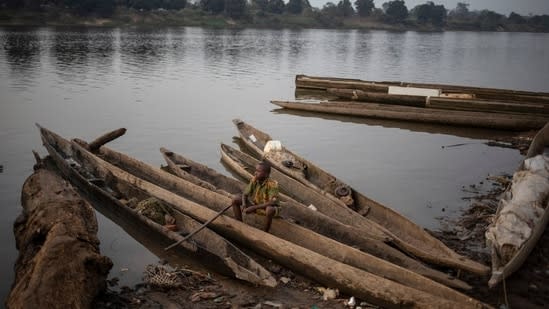
Russia absorbed much of the mercenary group, but several hundred have used the painkiller tramadol to build a new haven.
The Evolution of Wagner: From Paramilitary Arm to Narcotic Syndicate
Following the death of Yevgeny Prigozhin and the subsequent formal absorption of the Wagner Group into the Russian Ministry of Defense's 'Africa Corps,' the organizational structure of Russia's most infamous mercenary outfit has undergone a volatile transformation. While the Kremlin sought to centralize control over these assets, a significant faction of several hundred mercenaries has effectively fragmented from the main command. These remnants have pivoted from traditional security contracts and resource extraction toward the establishment of a sophisticated opioid empire in the heart of Central Africa, signaling a dangerous shift in how paramilitary actors maintain power in fragile states.
The Strategic Pivot to Tramadol
At the center of this illicit operation is tramadol, a potent synthetic opioid analgesic. Unlike traditional narcotics like cocaine or heroin, which require complex global supply chains, tramadol is often produced in pharmaceutical labs and smuggled into Africa in bulk. For the remnants of Wagner, tramadol represents a high-margin, low-risk commodity that can be easily distributed across porous borders. By controlling the supply of this painkiller, these mercenaries are not merely seeking profit; they are creating a dependency network that allows them to embed themselves deeper into the local socioeconomic fabric, effectively building a 'new haven' where they operate with near-total impunity.
Geopolitical Vacuum and the 'Security for Influence' Trade
This development occurs against a backdrop of shifting geopolitical alliances in Central Africa, particularly in regions where Western forces, such as the French military, have been expelled or withdrawn. In the resulting security vacuum, the Russian state initially offered 'security services' in exchange for mining concessions. However, the shift toward an opioid empire suggests that these mercenary remnants are now pursuing a more autonomous model of survival. By diversifying their revenue streams into narcotics, they are no longer solely dependent on Moscow's payroll, granting them a level of operational independence that could potentially clash with the Kremlin's long-term strategic goals.
Financial Autonomy and the Warlord Model
Historically, Wagner's presence in Africa was funded through the exploitation of gold, diamonds, and timber. While these resources are valuable, they are subject to market fluctuations and require significant infrastructure to export. In contrast, the trade in synthetic opioids provides a consistent, liquid cash flow. This financial autonomy allows these several hundred mercenaries to maintain their own armaments, pay off local officials, and fund their private security apparatus. This evolution mirrors the classic 'warlord model,' where the line between a state-sponsored actor and a transnational criminal organization becomes entirely blurred.
The Humanitarian Toll and Societal Erosion
Beyond the geopolitical implications, the proliferation of tramadol under the protection of former mercenaries has devastating consequences for the local population. Central African states already struggle with fragile healthcare systems and systemic poverty; the introduction of an organized opioid trade exacerbates these issues, leading to widespread addiction and a surge in related crimes. When the protectors of a state—or the mercenaries hired to protect it—become the primary distributors of addictive substances, the legitimacy of the local government is further eroded, creating a cycle of instability that makes the region even more susceptible to foreign exploitation.
Future Trends: The Rise of Hybrid Threat Actors
Looking forward, the emergence of this opioid empire suggests a new trend in modern conflict: the rise of the 'Hybrid Threat Actor.' These are entities that possess the tactical training of a professional army, the political cover of a sovereign state, and the financial mechanisms of a drug cartel. As these Wagner remnants consolidate their hold on the tramadol trade, they may begin to collaborate with other regional criminal networks, potentially turning Central Africa into a hub for synthetic drug distribution across the continent. This creates a complex security challenge for international bodies, as these actors are too small to be treated as national armies but too well-armed to be treated as simple gangs.
Conclusion
In summary, the transition of Wagner remnants into opioid kingpins represents a critical escalation in the destabilization of Central Africa. What began as a tool for Russian foreign policy has evolved into a fragmented network of opportunistic mercenaries using tramadol to build a self-sustaining empire. This shift not only threatens the health and stability of the region but also indicates a growing trend of paramilitary fragmentation where financial gain via illicit trade supersedes ideological or state-driven objectives. The international community now faces a dual threat: a geopolitical adversary and a transnational narcotic syndicate operating as one.
Verification Required?