Wall Street is pitching data centers as a major real estate bet. The risks are piling up
Source Entity
US Top News and Analysis
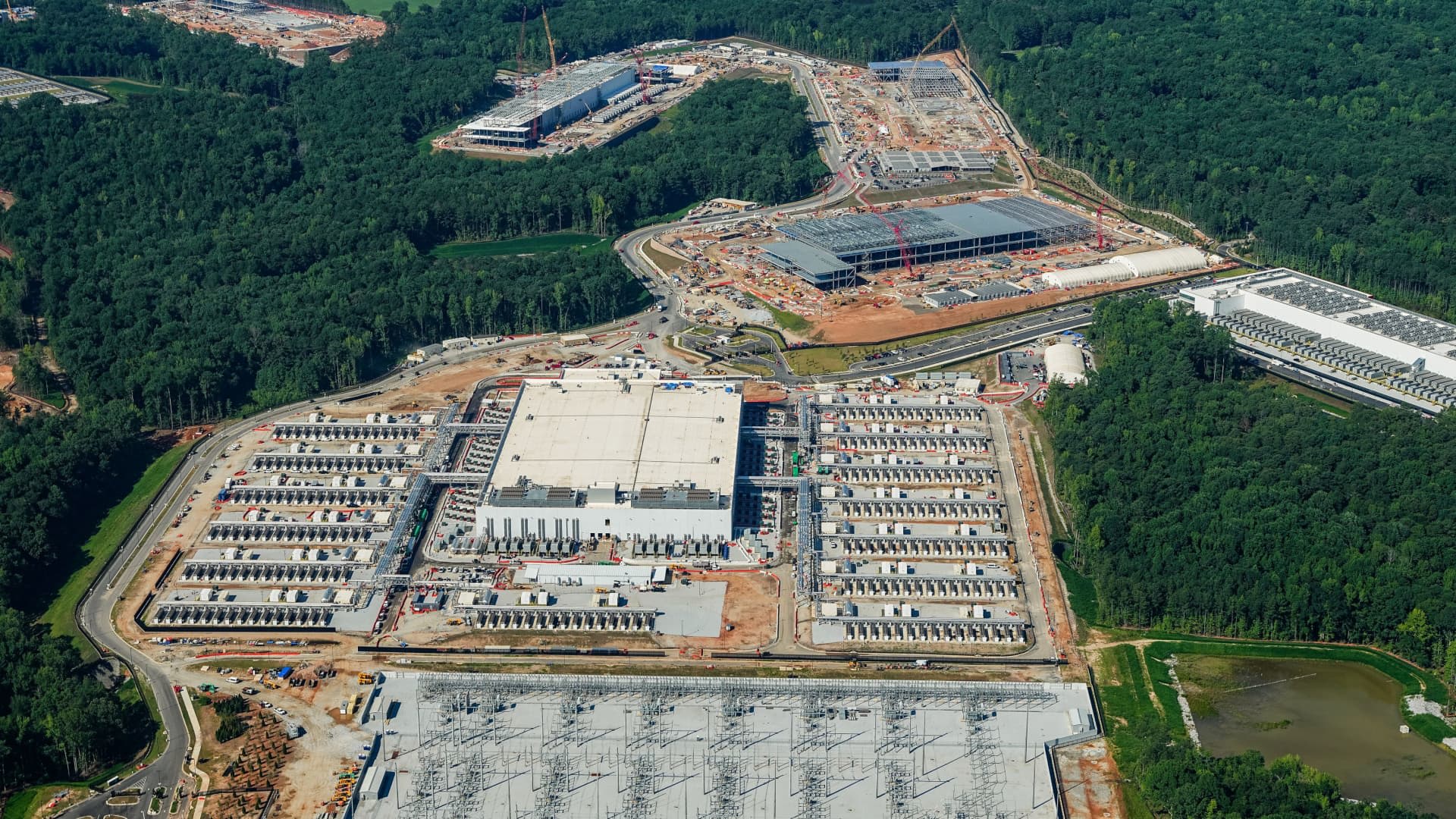
Wall Street is increasingly marketing data center investments as a core real estate asset to fuel AI growth. However, the sector faces mounting risks including local public opposition, liquidity concerns, and complex project execution challenges.
The Rise of Data Centers as a Financial Asset Class
Wall Street firms are aggressively positioning data centers as the next frontier in real estate investment, viewing them as the essential physical architecture required to sustain the artificial intelligence boom. By bringing these massive infrastructure projects to public markets, investment firms are attempting to rebrand industrial data storage as a stable, diversified real estate allocation. This shift is driven by the explosive demand for computing power required by industry giants like Google, Meta, Anthropic, and OpenAI to train and maintain their respective AI models.
The Infrastructure of Artificial Intelligence
At the heart of this investment thesis is the belief that AI will serve as the primary economic engine for the coming decades. As models like ChatGPT, Claude, and Gemini grow in complexity, the demand for physical space—such as the 928-acre QTS Fayetteville Data Center complex—has skyrocketed. Financial institutions are capitalizing on this by offering investors a stake in the tangible infrastructure that underpins the digital economy, moving beyond traditional commercial real estate like office buildings or retail centers.
Mounting Political and Social Tensions
Despite the bullish outlook from institutional investors, the expansion of these facilities has created a deep divide across the United States. Local communities are increasingly expressing ire toward the rapid proliferation of data centers, citing concerns over land use, environmental impact, and energy consumption. This grassroots opposition represents a significant political risk for Wall Street, as local zoning boards and regulatory bodies become more hesitant to approve large-scale developments in the face of public outcry.
Project Execution and Liquidity Risks
Beyond the social friction, the financial viability of these investments is clouded by inherent project risks. Building and maintaining high-capacity data centers requires immense capital expenditure and specialized technical expertise, making them susceptible to delays and cost overruns. Furthermore, as these investments move into public markets, liquidity concerns arise; the specialized nature of data centers makes them less fungible than traditional real estate assets, potentially complicating exit strategies for investors if market sentiment toward AI begins to cool.
Future Trends and Market Sustainability
Looking ahead, the long-term success of this investment strategy will depend on the industry’s ability to balance rapid scaling with community integration. If Wall Street firms cannot mitigate the growing political risks and satisfy local environmental concerns, the narrative of data centers as a 'safe' real estate bet may falter. The tension between the insatiable demand for AI compute and the physical realities of land and power usage will likely define the sector's performance in the coming years.