Banks with Jeffrey Epstein ties eyed by Democrats Warren and Garcia
Source Entity
US Top News and Analysis
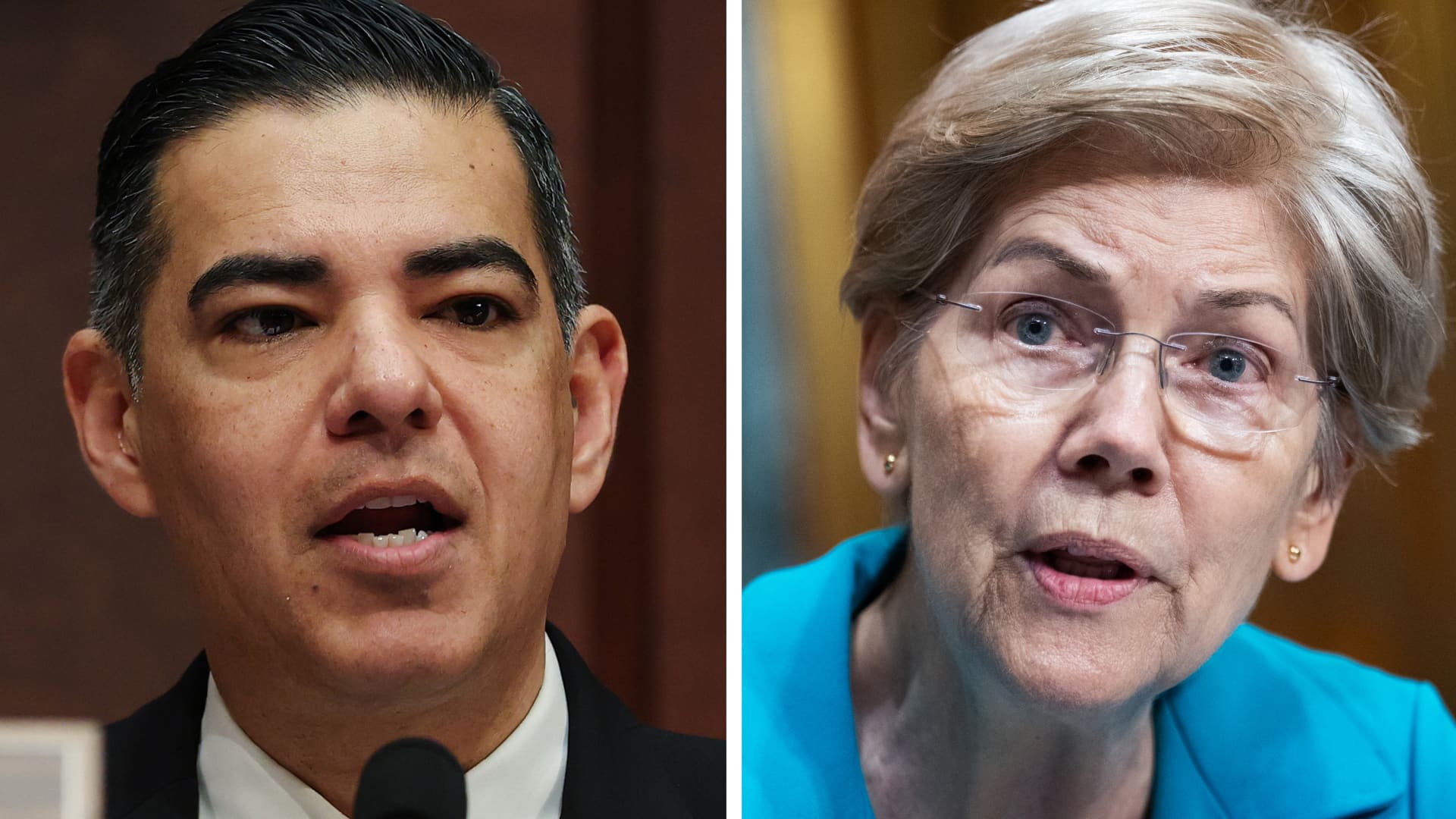
Sen. Elizabeth Warren and Rep. Robert Garcia have introduced new legislation aimed at holding financial institutions accountable for their ties to Jeffrey Epstein. The bill mandates regulatory investigations into banks that may have facilitated his sex trafficking operations.
Legislative Push to Uncover Epstein’s Financial Enablers
In a significant move toward accountability, Senator Elizabeth Warren and Representative Robert Garcia have introduced legislation targeting the financial institutions and executives who may have facilitated the late financier Jeffrey Epstein’s sex trafficking operations. This legislative effort seeks to peel back the layers of institutional involvement that allowed Epstein to move funds while operating his illicit enterprise, marking a major escalation in the ongoing pursuit of justice for his victims.
The Scope of the Proposed Legislation
The proposed bill is designed to address systemic gaps in how financial regulators oversee entities that interact with high-risk clients. By requiring financial regulators to produce comprehensive records related to Epstein’s accounts, the bill aims to illuminate the specific actions taken by banks during his tenure as a client. Furthermore, the legislation empowers regulators to conduct formal investigations into these financial institutions, ensuring that the oversight process is not merely performative but results in a transparent audit of potential complicity.
Penalties and Industry Accountability
Beyond mere investigation, the bill introduces stringent consequences for institutions found to have aided Epstein’s crimes. The proposed measures include industry bans for executives and significant civil penalties for banks that failed to perform adequate due diligence. By creating a framework for financial punishment, the sponsors hope to deter future institutional blindness toward criminal activity, effectively forcing banks to prioritize compliance over the profits associated with high-profile, ethically compromised clients.
Warren’s Stance and Regulatory Context
Senator Warren, who leads the Senate Banking Committee, has been a vocal critic of the lack of regulatory oversight throughout the past year. Her efforts reflect a broader concern regarding the autonomy of financial regulators and their historical reluctance to scrutinize the activities of major banking institutions. This legislation is a direct response to the perceived failure of existing systems to prevent banks from enabling individuals like Epstein, who utilized their financial resources to sustain a criminal network.
Broader Implications for Financial Governance
If passed, this legislation would signal a paradigm shift in the relationship between federal regulators and the banking industry. It underscores a growing demand for transparency in high-finance, where the movement of funds is often shielded by opaque banking protocols. By forcing these entities to answer for their past associations, lawmakers are attempting to establish a new precedent where financial institutions are held legally and financially responsible for the societal outcomes of their business dealings.
Future Outlook and Legislative Challenges
The path to passing this legislation will likely involve navigating significant opposition from industry lobbyists and those who argue that such mandates could overreach the regulatory authority of federal agencies. However, the bipartisan interest in holding Epstein’s enablers accountable creates a unique political climate. As the investigation progresses, the findings could fundamentally alter how banks manage reputational risk and how the federal government monitors the flow of illicit capital within the United States financial system.