Warsh faces Fed independence test as Bessent moves in on central bank's turf
Source Entity
US Top News and Analysis
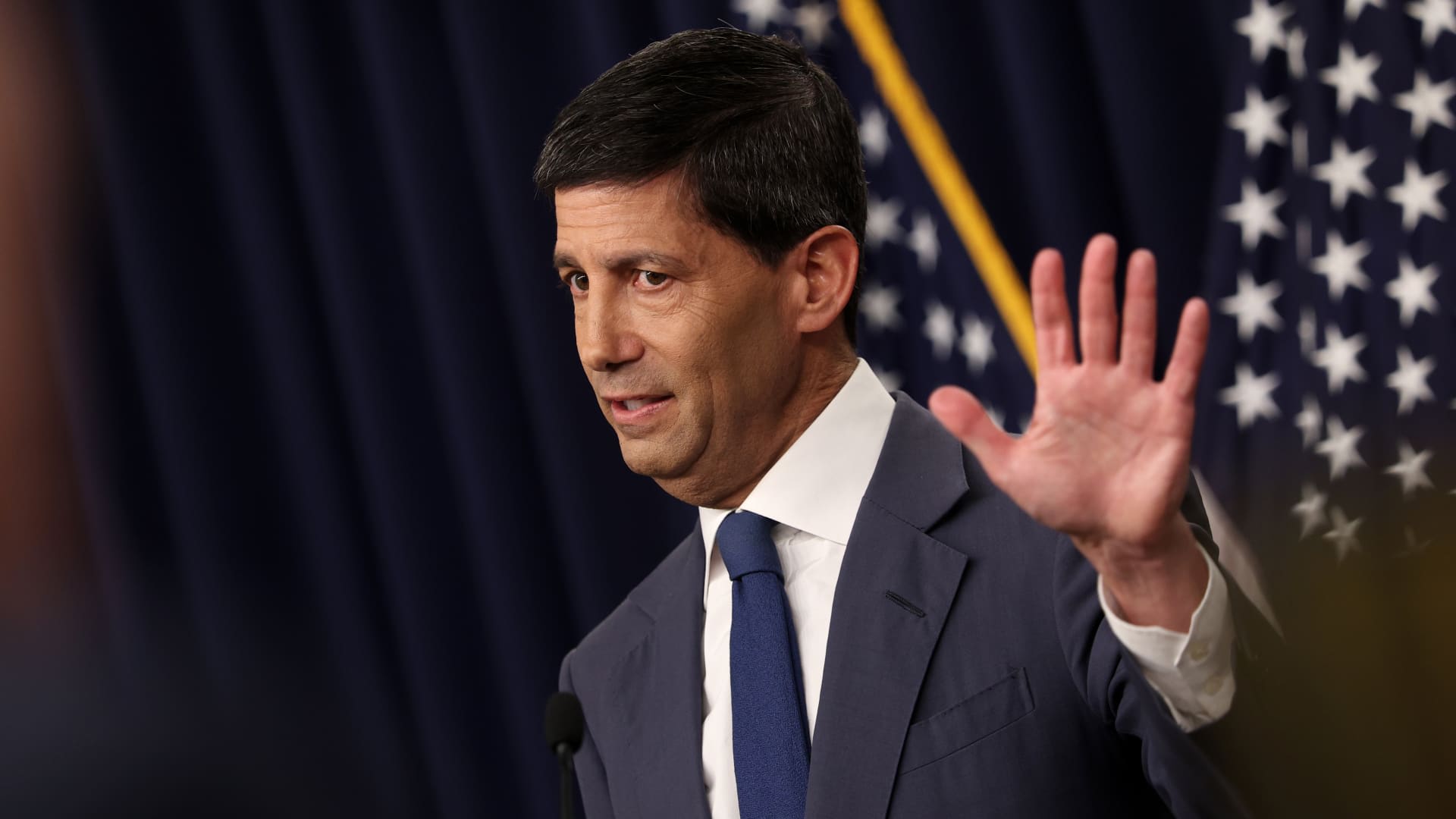
Treasury Secretary Scott Bessent's efforts to influence long-term Treasury yields through increased buybacks are creating tension regarding Federal Reserve independence. Market analysts, including those at JPMorgan, warn that these interventions may prove unnecessary or counterproductive, putting Fed Chairman Kevin Warsh under significant pressure to clarify policy boundaries.
The Intersection of Treasury Policy and Fed Independence
The recent aggressive moves by Treasury Secretary Scott Bessent to stabilize the bond market through a ramped-up debt repurchase program have ignited a critical debate over the boundaries of institutional independence. By attempting to influence long-term Treasury yields, Bessent is stepping into a domain that traditionally balances between fiscal strategy and monetary policy. This development places Federal Reserve Chairman Kevin Warsh in a precarious position, as he must navigate the expectations of a close ally while upholding the Fed's mandate to operate independently of political pressure.
The Mechanics of the Buyback Blitz
The Treasury Department’s strategy centers on a dramatic increase in government debt repurchases, specifically targeting longer-dated debt to manage yield volatility. Following a sharp pullback in Wednesday’s trading session, yields on 30-year U.S. Treasurys rose by 3 basis points to 5.2256% on Thursday, while the 10-year benchmark saw a slight increase to 4.6723%. These movements underscore the market's sensitivity to government intervention, as traders digest the implications of a Treasury department actively managing the duration of the national debt.
Challenges to Conventional Monetary Policy
Historically, the Federal Reserve has limited its intervention in the bond market to periods of clear economic emergency or severe distress. The current push by Bessent to address what he characterizes as a 'misbehaving' bond market threatens to blur these lines. If the Treasury expects the Federal Reserve to coordinate on balance sheet management to support these yield-taming efforts, it would represent a significant departure from the standard operating procedures that keep fiscal and monetary policies distinct.
Market Skepticism and JPMorgan’s Warning
The financial community remains divided on the efficacy of these measures. Strategists at JPMorgan, including Jay Barry and Jason Hunter, have issued warnings regarding the potential fallout of the Treasury’s buyback program. They argue that these interventions may not only be unnecessary but could inadvertently drive bond yields higher, contradicting the Treasury’s stated objectives. This skepticism from major institutional voices adds another layer of complexity to the narrative, suggesting that market forces may ultimately resist or even punish government attempts at artificial yield suppression.
Future Implications for Economic Policy
Looking ahead, the relationship between Bessent and Warsh will serve as a bellwether for U.S. economic governance. If the Treasury continues its 'buyback blitz,' the pressure on the Federal Reserve to clarify its stance on coordination will only mount. Investors should prepare for increased volatility as the market evaluates whether the Treasury’s efforts will stabilize the debt landscape or create new distortions in the pricing of risk-free assets. Ultimately, the durability of the Fed’s independence will be tested by its ability to resist the temptation of fiscal alignment in favor of its long-term inflation and employment mandates.
Multiple Citing Sources