Bengal’s new unemployment aid: eligibility, benefits, all you need to know
Source Entity
Tanusree Bose
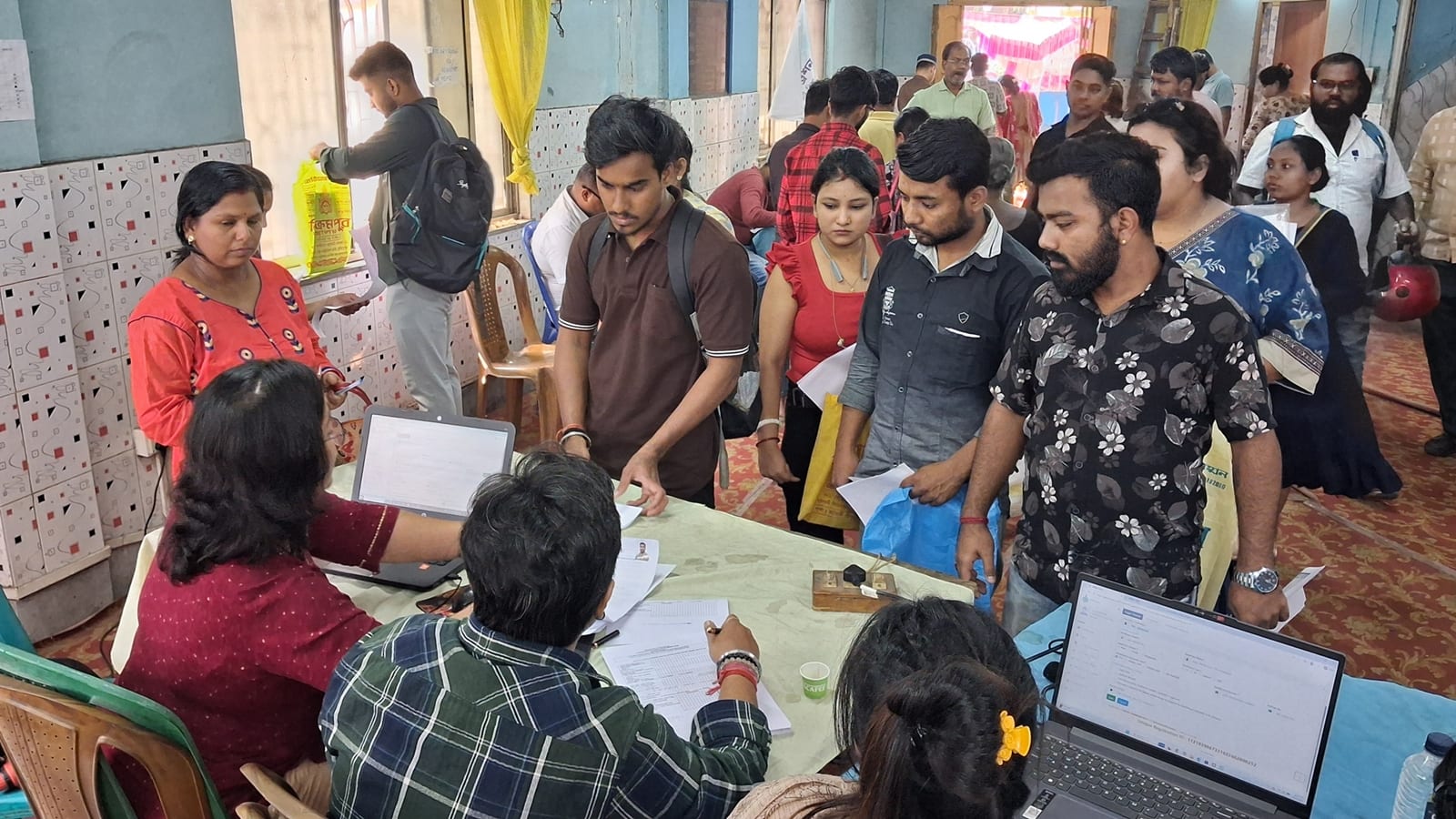
The West Bengal government has launched 'Bharosa,' a new financial assistance scheme for educated unemployed youth. Starting January 2027, eligible graduates and vocational trainees will receive up to Rs 2,000 monthly.
Understanding the Bharosa Scheme: West Bengal's New Welfare Initiative
The West Bengal government has officially notified the rules for 'Bharosa,' a rebranded financial aid scheme designed to support the state’s educated unemployed population. This initiative represents a strategic shift in the state's social welfare framework, aiming to provide a monthly stipend of up to Rs 2,000 to those who meet specific educational and residency criteria. With an implementation date set for January 1, 2027, the government is signaling a long-term commitment to addressing youth underemployment.
Eligibility Criteria and Educational Requirements
The scheme distinguishes between different educational tiers to target support effectively. Graduates and individuals who have completed or are currently enrolled in vocational certificate courses at government Industrial Training Institutes (ITIs) are entitled to the full benefit of Rs 2,000 per month. Meanwhile, the program extends its reach to non-graduates and undergraduates who have successfully passed the Class 10 examination or its equivalent, ensuring a broader safety net for youth who may not have pursued higher academic degrees but possess foundational vocational skills.
Voter List Integration and Legal Nuances
A critical component of the Bharosa scheme is its integration with the Election Commission’s records. Applicants are required to be listed on the final voter lists published following the Special Intensive Revision (SIR). This requirement serves as a mechanism for verifying residency and citizenship status. However, the government has introduced inclusive clauses for those currently in legal limbo, specifically allowing individuals with pending cases before SIR appellate tribunals to apply, thereby ensuring that bureaucratic delays in voter registration do not unfairly disqualify genuine candidates.
The Citizenship Amendment Act and Eligibility
Perhaps the most significant aspect of the scheme’s eligibility criteria is the inclusion of individuals whose applications under the Citizenship Amendment Act (CAA) are currently under consideration. By explicitly permitting these applicants to participate in the aid scheme, the West Bengal government is addressing a complex socio-political demographic. This move ensures that individuals navigating the legal intricacies of citizenship status are not left without financial support during their transition period, reflecting a nuanced approach to state-level social security.
Broader Implications and Future Outlook
The introduction of Bharosa underscores the state's focus on the intersection of unemployment and educational attainment. By incentivizing vocational training through ITIs, the government is not merely providing a subsistence dole but is also encouraging skill development that aligns with market demands. As of January 2027, the rollout of this scheme will be a key indicator of the state's fiscal health and its administrative capacity to manage large-scale direct benefit transfers for the youth.
Conclusion
In summary, the Bharosa scheme is a multifaceted policy instrument that balances financial relief with specific educational and citizenship prerequisites. By targeting educated youth—ranging from ITI trainees to graduates—and providing a clear pathway for enrollment via voter lists and legal status verification, the government aims to mitigate the economic pressures faced by the state's younger demographic. Its success will likely depend on the efficiency of the application process and the sustained fiscal allocation provided by the state in the coming years.