Agnimitra, Indranil among six ministers relieved of BJP organisational duties in rejig
Source Entity
Atri Mitra
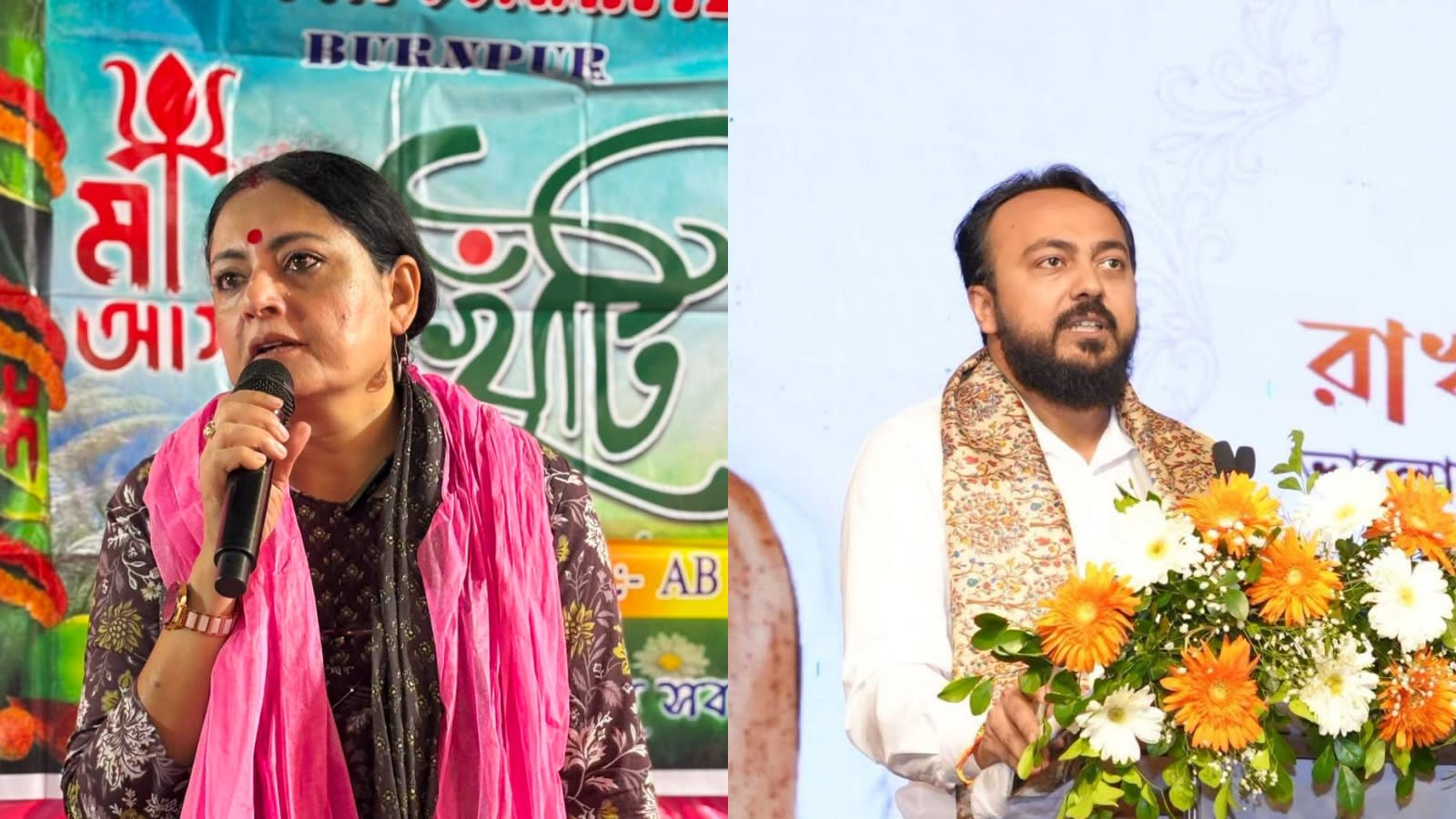
The West Bengal BJP has initiated a significant leadership reshuffle, relieving six ministers of organizational duties to uphold the 'one individual, one post' principle. This strategic overhaul aims to balance administrative commitments with party operations while maintaining key leadership roles.
Strategic Realignment in West Bengal BJP
The West Bengal Bharatiya Janata Party (BJP) has undertaken a comprehensive organizational overhaul, signaling a strategic shift in how the party manages its state-level operations. By announcing fresh appointments across various fronts, including the Mahila, Yuva, and OBC morchas, the party is clearly attempting to revitalize its grassroots engagement. This move suggests a deliberate effort to inject new energy into the state unit as it navigates a challenging political landscape.
The 'One Individual, One Post' Principle
A central feature of this reshuffle is the strict implementation of the 'one individual, one post' principle. By relieving six prominent ministers—Tapas Roy, Jagannath Chattopadhyay, Agnimitra Paul, Dipak Burman, Shankar Ghosh, and Indranil Khan—of their organizational responsibilities, the party leadership is aiming to ensure that administrative duties do not conflict with party work. This policy is designed to foster professionalization, ensuring that ministers can focus entirely on governance while dedicated party workers handle organizational growth.
Continuity and Change in Leadership
While the reshuffle introduces new faces at the district and secretariat levels, the party has opted for continuity in its top leadership. The decision to retain Samik Bhattacharya as state president and Amitabha Chakraborty as general secretary (organization) indicates a desire for stability during this transitional period. Conversely, the removal of Satish Dhand from the post of co-general secretary (organization) highlights that even senior-level roles are subject to performance-based scrutiny.
Broader Political Implications
The timing of this overhaul, occurring immediately following discussions between the BJP and the RSS, suggests a coordinated effort to streamline the party's machinery. In Indian politics, the relationship between the RSS and its political affiliates is foundational; thus, these changes likely reflect a broader consensus on how to optimize the party's presence in West Bengal. This is a critical step in aligning the state wing’s operational capacity with the party's broader ideological and electoral objectives.
Future Trends and Outlook
Looking ahead, this restructuring is likely to have a ripple effect on how the BJP manages its district-level operations. By clearing the decks for new leadership, the party is positioning itself to address the specific demands of local constituencies more effectively. If this strategy succeeds in reducing internal friction and enhancing administrative focus, it could serve as a template for other state units facing similar challenges in balancing governance with organizational expansion.