West Bengal government notifies jobs for kin of those killed in political violence
Source Entity
India Latest News: Top National Headlines Today & Breaking News | The Hindu
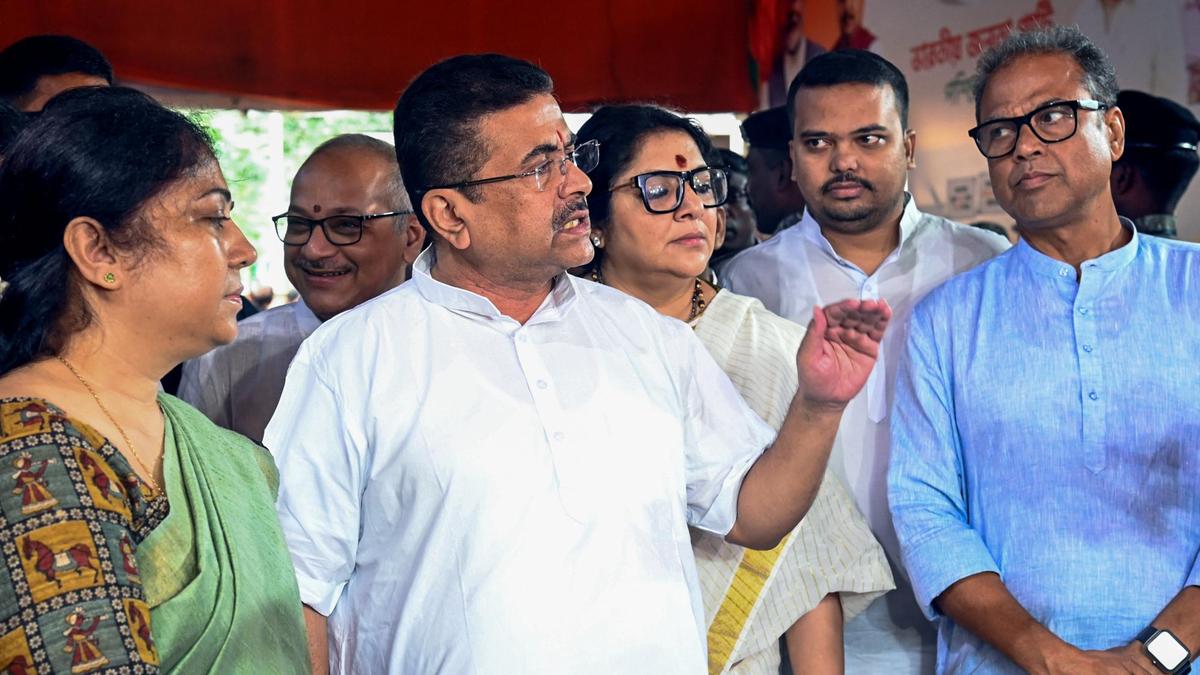
The West Bengal government has launched a scheme offering Group D jobs to family members of victims killed in political violence since 2001. This initiative, announced by Chief Minister Suvendu Adhikari, marks a significant policy shift within the state's first six months of BJP governance.
West Bengal Initiates Employment Scheme for Victims of Political Violence
In a landmark policy development, the West Bengal government, led by Chief Minister Suvendu Adhikari, has officially notified a scheme to provide government employment to the kin of individuals killed in political violence. The notification, issued on November 1, 2026, follows an announcement made by the Chief Minister during a public gathering in Garbeta, Paschim Medinipur. This move represents a significant administrative action taken just six months into the new government's tenure.
Scope and Eligibility Criteria
The scheme is defined by a retroactive scope, covering incidents of political violence occurring from January 1, 2001, to the present. By establishing a 25-year window, the administration aims to address a long-standing history of civil unrest in the state. According to the official notification signed by Chief Secretary Manoj Agarwal, one eligible family member of each deceased victim is entitled to a Group D position within the state government, provided they meet the necessary criteria.
Administrative Implementation and Job Creation
To facilitate this policy, the state Home and Hill Affairs Department has mandated the creation of additional Group D posts. This is structured as a one-time exception to standard hiring protocols, specifically designed to accommodate the families of those who were often the sole breadwinners of their households. Applicants are directed to submit their requests to their respective District Magistrates (DMs), ensuring a decentralized approach to processing these claims across the state.
Historical Context of Political Unrest
West Bengal has historically been a theater for intense political competition, often resulting in tragic loss of life. By acknowledging this history through formal government action, the current administration is attempting to provide a measure of socioeconomic restitution to families who have suffered due to ideological or party-based conflicts. This policy explicitly recognizes the burden placed on families left behind in the wake of such violence.
Broader Political Implications
This policy is highly significant as it is the first time a state government in India has institutionalized job allocation specifically for victims of 'political violence.' The move serves as both a welfare initiative and a symbolic gesture of state accountability. By addressing grievances dating back to 2001, the government is signaling a shift in how it intends to manage the legacy of political friction, potentially setting a new precedent for how state administrations handle the aftermath of civil instability.
Future Trends and Outlook
Moving forward, the successful implementation of this scheme will depend on the government's ability to verify claims and manage the administrative load of creating these new positions. The long-term impact of this policy could influence the political landscape in West Bengal by altering the discourse around victimhood and state responsibility. It remains to be seen how this, as a one-time exception, will influence future administrative policies regarding compensation for victims of non-natural deaths in the region.
Verification Required?