CID ADG Supratim Sarkar among 28 IPS officers transferred in major West Bengal Police rejig
Source Entity
India Latest News: Top National Headlines Today & Breaking News | The Hindu
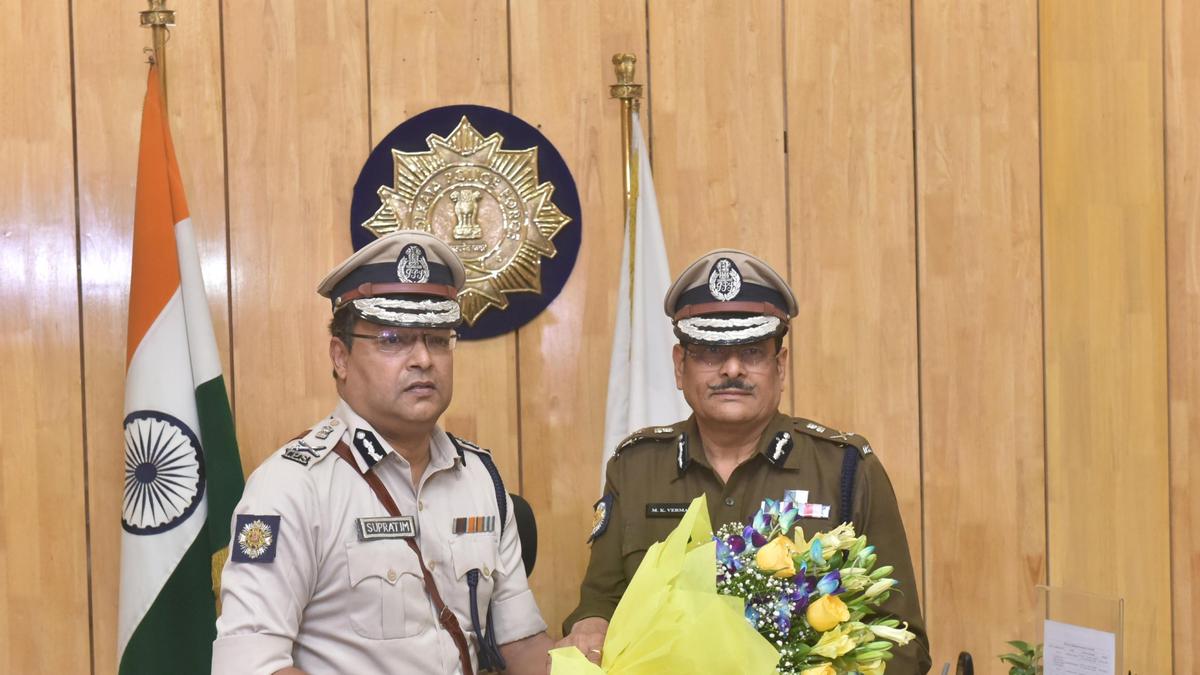
Amit Kumar Rathod will replace Tripurari Atharv as the new commissioner of Bidhannagar Police Commissionerate, the order said
Administrative Overhaul: Analyzing the West Bengal Police IPS Reshuffle
In a decisive move to streamline law enforcement and administrative efficiency, the West Bengal government has initiated a major reshuffle within the Indian Police Service (IPS) cadre. The transfer of 28 senior officers indicates a systemic effort to reorganize the state's security apparatus. Such large-scale 'rejigs' are common in Indian state administration, often serving as a mechanism to refresh leadership in critical zones, optimize the deployment of experienced officers, and ensure that the police hierarchy is aligned with the current priorities of the state government.
Leadership Shift in Bidhannagar Commissionerate
One of the most prominent changes in this order is the appointment of Amit Kumar Rathod as the new Commissioner of the Bidhannagar Police Commissionerate, succeeding Tripurari Atharv. Bidhannagar, which encompasses the high-profile Salt Lake and Rajarhat areas, is a critical hub for technology, business, and diplomacy. The leadership of this commissionerate requires a delicate balance of maintaining urban security, managing traffic in rapidly growing corridors, and handling high-value corporate interests. The transition from Atharv to Rathod suggests a desire for a new strategic approach in managing one of the state's most economically vital regions.
Strategic Implications of CID ADG Transfer
Equally significant is the transfer of Supratim Sarkar, the Additional Director General (ADG) of the Criminal Investigation Department (CID). The CID is the premier investigative agency of the state, tasked with handling complex crimes, high-stakes fraud, and specialized inquiries that exceed the capacity of local police stations. A change at the ADG level often signals a shift in the investigative focus or an effort to bring a fresh perspective to pending high-profile cases. Given the CID's role in maintaining the rule of law through meticulous evidence gathering, the movement of Supratim Sarkar is a key indicator of the government's intent to reorganize its top-tier investigative leadership.
The Dynamics of Large-Scale Police Rejigs
Moving 28 IPS officers simultaneously is not a routine administrative task; it is a comprehensive restructuring. In the context of West Bengal's complex socio-political landscape, such transfers are often used to preemptively address security challenges or to prepare the force for upcoming administrative milestones. By rotating officers across different districts and specialized units, the government can prevent the stagnation of leadership and reduce the risk of localized influence, thereby ensuring that the police force remains an impartial instrument of the state.
Broader Governance and Security Trends
Historically, major police reshuffles in West Bengal have been precursors to shifts in governance strategy or responses to evolving security threats. By relocating senior officers, the state can deploy specialized skill sets—such as counter-intelligence or urban crowd management—to the areas where they are most needed. This specific rejig likely aims to enhance the synergy between the state's intelligence wings and its field operations, ensuring that the transition of power in key commissionerates like Bidhannagar is seamless and effective.
Conclusion and Future Outlook
This massive transfer exercise underscores the state's commitment to a dynamic police administration. The replacement of key figures in the CID and the Bidhannagar Commissionerate will likely lead to a period of transition as new leaders implement their respective operational styles. Moving forward, the success of this reshuffle will be measured by the efficiency of crime detection in the CID and the maintenance of public order and safety in the Bidhannagar region. Overall, this move reflects a broader trend of administrative recalibration designed to strengthen the state's law and order framework.
Verification Required?