Goat herding hedge: How Susquehanna and Kalshi are helping this company offset a change in California law
Source Entity
US Top News and Analysis
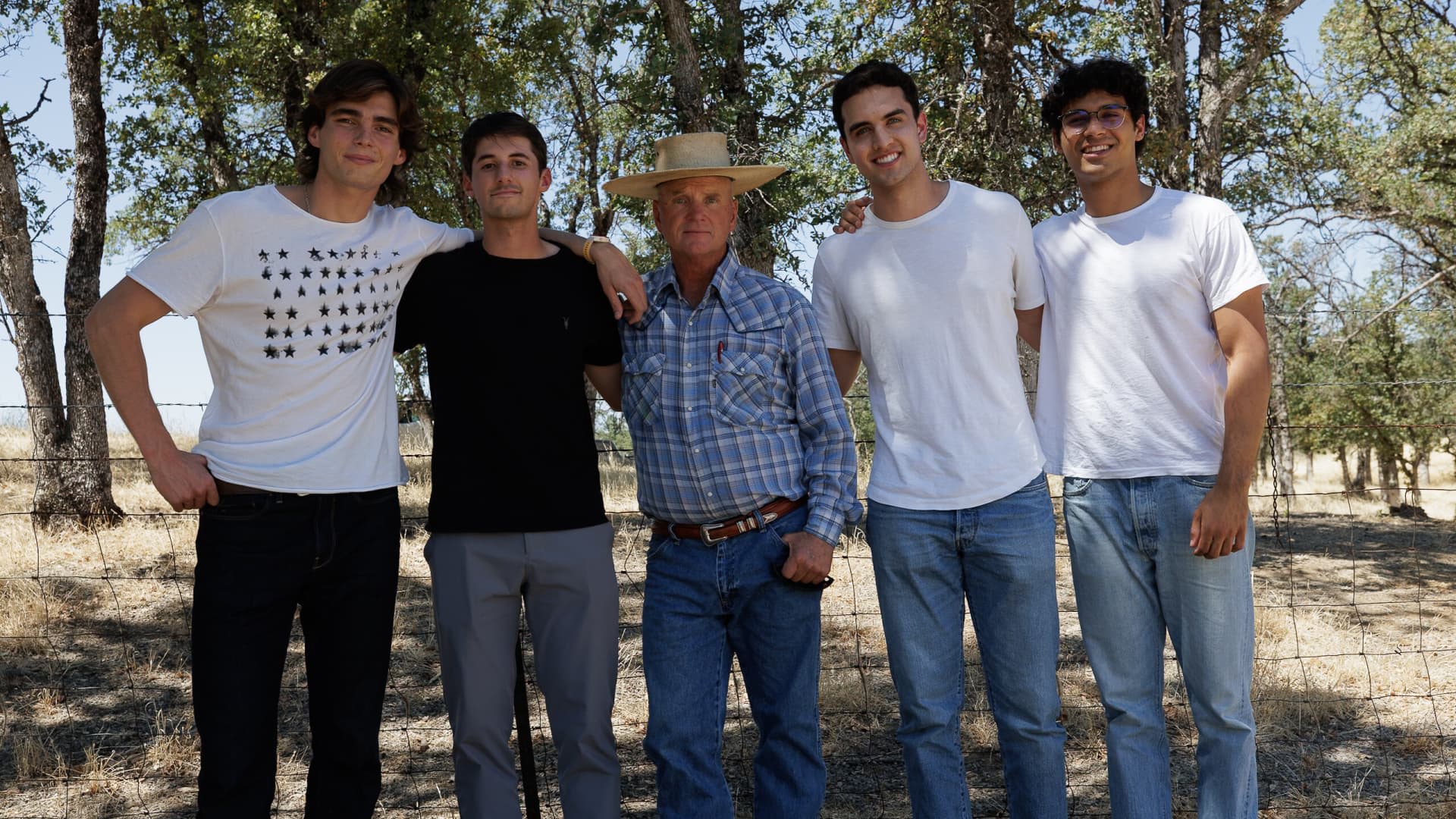
Western Grazers is utilizing the prediction market platform Kalshi to hedge against rising labor costs following the expiration of a California wage exemption for goat herders. This innovative approach allows the business to mitigate financial risks associated with regulatory changes affecting their wildfire prevention operations.
Innovation in Risk Management: The Western Grazers Case
Western Grazers, a California-based company that utilizes a herd of approximately 4,000 goats for vital wildfire prevention, has found itself at a critical financial crossroads. Faced with the expiration of a long-standing wage exemption on June 30, the business—led by owner Tim Arrowsmith—has turned to the prediction market platform Kalshi. By leveraging this financial tool, the company is attempting to hedge against the looming threat of significantly increased payroll expenses, which could jeopardize their sustainable vegetation management services.
The Economic Burden of Regulatory Shifts
The core of the conflict lies in the legislative environment governing agricultural labor. Historically, Western Grazers has operated under a specific wage exemption that allowed for a sustainable business model. With eight herders currently employed at an annual salary of $60,000 each, the total operational cost is already significant. When factoring in the additional overhead of international travel, visa processing, and logistical support, the effective cost per herder reaches at least $70,000. The expiration of the exemption threatens to balloon these costs to as much as $240,000 per employee, creating a fiscal shock that could render the business model untenable.
Prediction Markets as a Hedge
By utilizing Kalshi, Western Grazers is participating in a modern financial strategy that allows businesses to bet on the outcomes of legislative or regulatory events. This serves as a sophisticated form of insurance. If the wage costs rise as expected, the gains from the prediction market are intended to offset the direct hit to the company’s bottom line. This reflects a growing trend where small-to-medium enterprises are looking toward decentralized financial tools to navigate the volatility of state-level policy changes that traditional insurance products often cannot cover.
The Broader Context of Wildfire Prevention
The work performed by Western Grazers is increasingly critical in California’s climate-stressed landscape. By consuming flammable vegetation, these 4,000 goats perform a form of 'mechanical' fuel reduction that is less carbon-intensive than traditional heavy machinery and more accessible in rugged, remote terrain. The potential collapse of such businesses due to labor cost spikes would have cascading effects on wildfire management strategies, potentially forcing state agencies to rely on more expensive or environmentally taxing alternatives.
Future Implications and Trends
The intersection of agricultural necessity and financial technology suggests a future where businesses in highly regulated sectors may rely more heavily on prediction markets to smooth out the impact of political cycles. As legislative bodies continue to adjust labor laws, companies with thin margins—like those in the niche field of ecological services—must innovate their financial structures to survive. The Western Grazers case serves as a primary example of how private entities are adapting to the modern regulatory landscape by shifting from passive compliance to active financial hedging. This strategy may well become a blueprint for other agricultural operations facing similar labor market disruptions.