What happened to WhistlinDiesel? Truth behind viral Tesla Cybertruck accident video
Source Entity
Latest News: Todays Latest News Headlines from India & World | Hindustan Times | Hindustan Times
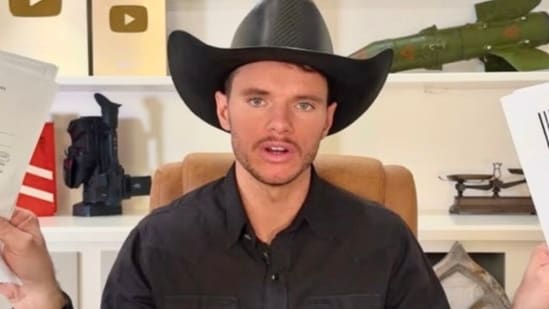
Viral rumors claiming YouTuber WhistlinDiesel, also known as Cody Detwiler, died in a Tesla Cybertruck accident are entirely false. The misinformation originated from a misleading TikTok post, which has since been debunked by the creator's ongoing social media activity.
The Anatomy of a Viral Hoax: WhistlinDiesel Death Rumors Debunked
In the era of rapid digital dissemination, social media platforms often become breeding grounds for sensationalist misinformation. Recently, the popular YouTuber WhistlinDiesel, whose legal name is Cody Detwiler, found himself at the center of an unfounded death hoax. The rumors gained significant traction after a cryptic TikTok video surfaced, featuring footage of a severely damaged Tesla Cybertruck alongside an emotionally charged caption implying a tragedy had befallen the creator. This incident serves as a poignant case study in how visual ambiguity can be weaponized to generate viral engagement at the expense of factual accuracy.
The Mechanics of Misinformation
The viral claim relied heavily on the psychological impact of a "broken-heart" emoji and vague, alarming text, which prompted an immediate surge of concern among Detwiler's massive fanbase. By leveraging the high-visibility nature of the Tesla Cybertruck—a vehicle often associated with extreme testing—the perpetrators of this hoax created a narrative that felt plausible to the casual observer. This underscores a growing trend in digital media where creators' identities are manipulated to drive algorithmic favor through shock value and fear-based engagement.
Fact-Checking the Digital Footprint
Upon closer inspection, the claims regarding Cody Detwiler’s death lack any verifiable evidence. While the 28-year-old creator did not immediately issue a formal statement addressing the rumors, his active presence on other social media platforms, specifically Instagram, provides clear evidence of his well-being. In the digital age, a creator's continued activity on verified channels is the most reliable metric for debunking sudden, unconfirmed reports of mortality. The discrepancy between the viral TikTok narrative and Detwiler's actual social media footprint confirms that the rumors are entirely baseless.
The Broader Implications for Content Creators
This incident highlights the precarious nature of online fame, where influencers are increasingly subject to "death hoaxes" intended to exploit their reputations. For a creator like WhistlinDiesel, known for high-stakes automotive stunts, the line between reality and performance is often blurred, making it easier for bad actors to manufacture believable lies. The psychological toll on both the creator and their community is significant, as fans are often subjected to unnecessary distress, and the creator is forced to navigate the cleanup of a false narrative.
Future Trends in Digital Accountability
As social media algorithms continue to prioritize high-engagement content, the incentive for creating such hoaxes remains high. Moving forward, both platforms and audiences must adopt a more critical approach to viral content. The WhistlinDiesel incident serves as a reminder that visual evidence, particularly when presented without official confirmation or reputable news backing, should be treated with extreme skepticism. Establishing a higher threshold for verifying "breaking news" on social media is essential to protecting the integrity of online discourse and the safety of public figures.
Verification Required?