White House takes down ‘Build the Wall’ game after the Tetris Company complains
Source Entity
Lucas Ropek
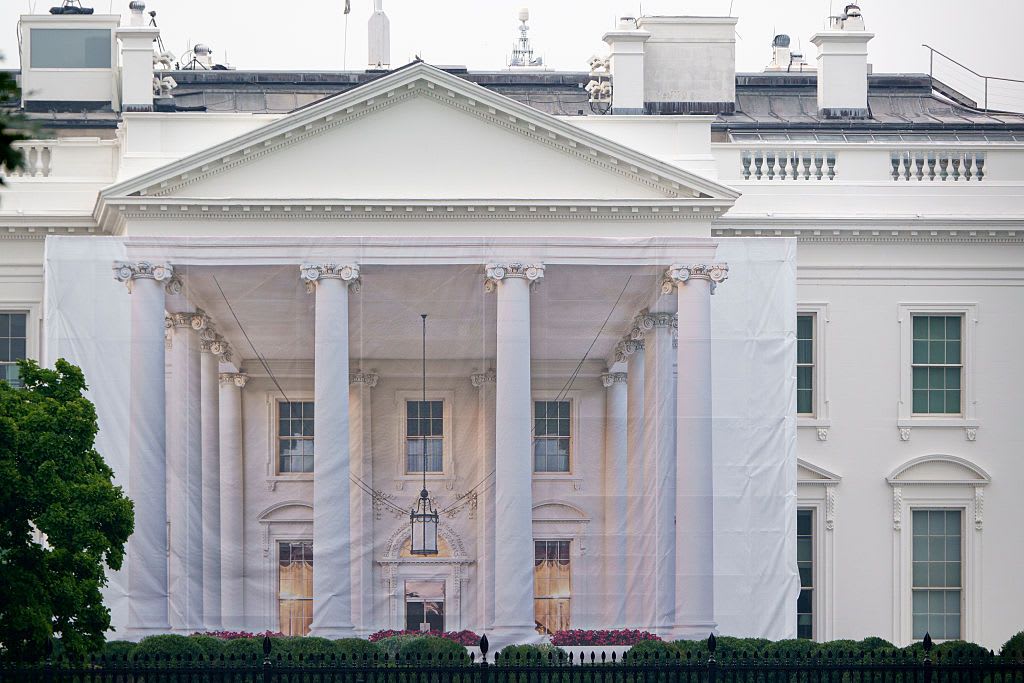
The White House removed a controversial Tetris-style game called 'Build the Wall' from its website following public backlash and legal pressure from the Tetris Company. The game, which depicted a 'zombie border siege,' was criticized for its racist undertones and unauthorized use of intellectual property.
The Rise and Fall of the 'Build the Wall' Arcade Game
In a highly unusual move for a government institution, the White House recently launched an arcade-style gaming section on its official website. Among the titles featured was a game titled 'Build the Wall,' which immediately drew intense public scrutiny and criticism. The game featured mechanics heavily inspired by the iconic puzzle game Tetris, tasking players with stacking blocks to prevent a 'zombie border siege.'
Proprietary Concerns and Legal Pushback
The game's mechanics were not merely inspired by Tetris; they were a direct appropriation of the game's recognizable block-stacking format. The Tetris Company, which holds the intellectual property rights to the classic title, responded swiftly to the unauthorized use. They issued a statement clarifying they had no involvement in the creation of the game and emphasized that they take copyright infringement 'very seriously.' This legal pressure is widely seen as a primary driver for the game's sudden disappearance from the White House portal.
Political Messaging Through Interactive Media
Beyond the legal issues, the game drew sharp criticism for its underlying political messaging. By framing immigration as a 'zombie border siege' that required the player to 'hold the line' using blocks, the game served as a form of interactive political propaganda. The game's mechanics were intentionally altered from traditional Tetris—where completed lines disappear—to ensure that blocks remained on screen to form a permanent, impassable barrier, underscoring the political objective of the administration at the time.
The Intersection of Culture and Policy
The inclusion of such a game on an official government website represents a departure from traditional communication strategies. By utilizing gaming as a medium to promote specific policy stances, the administration attempted to reach audiences through non-traditional channels. However, the use of a beloved, culturally significant game like Tetris to push a polarizing political agenda backfired, resulting in widespread condemnation and claims that the game was inherently racist.
Broader Implications for Digital Governance
The removal of the game highlights the ongoing tension between political messaging and the limitations of digital platforms. It serves as a reminder that even government entities are subject to intellectual property laws and public accountability. The swift removal of the game, while the exact reasons remain officially unstated, suggests that the dual pressure of copyright litigation and public outcry created an untenable situation that forced the administration to backtrack.
Future Trends in Digital Propaganda
This incident provides a case study for the risks of using gamification in political rhetoric. As digital literacy grows, the public is increasingly sensitive to how interactive media is used to shape political narratives. Future political communication strategies will likely have to navigate the fine line between engaging content and the risks of infringing on private intellectual property or alienating audiences through inflammatory, polarizing themes.