American eagle vs Canadian goose: How a Goan photographer's US retreat was edited out
Source Entity
CHIDANAND RAJGHATTA
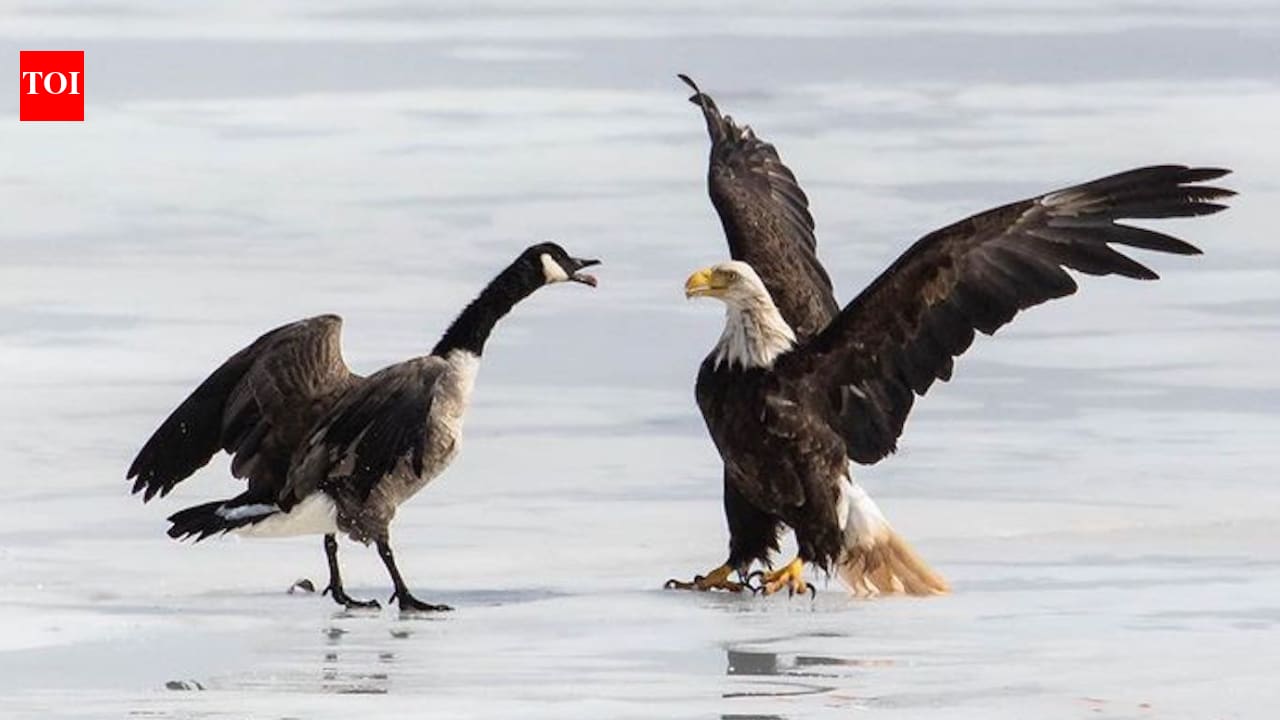
The White House attempted to use an image of a bald eagle attacking a Canadian goose to symbolize trade dominance, but the effort backfired. The full context revealed the goose actually won the fight, turning a intended political statement into a public relations failure.
The Symbolism of a Failed Narrative
The Trump administration's attempt to utilize wildlife imagery as a proxy for geopolitical posturing during trade negotiations highlights the increasingly complex intersection of social media, political branding, and visual rhetoric. By selecting a photograph of an American bald eagle purportedly subduing a Canadian goose, the administration aimed to project a narrative of domestic strength and the inevitable victory of American economic interests over its northern neighbor.
The Reality of the Encounter
However, the strategy collapsed under the weight of the actual event’s outcome. While the selected image captured a fleeting moment of confrontation, the full narrative—documented by a Goan photographer—revealed that the Canadian goose was not a passive victim. After a grueling 20-minute struggle on the ice, the goose successfully repelled the eagle, forcing the national bird of the United States to abandon its pursuit. This discrepancy between the curated image and the biological reality transformed the post from a display of power into a symbol of diplomatic frustration.
Digital Diplomacy and Miscalculation
In the era of rapid-fire social media communication, political entities often prioritize optics over comprehensive truth. By stripping the context away from the photographer's footage, the administration sought to craft a tidy, nationalist allegory. Yet, this approach ignores the reality that in the digital age, source material is easily accessible. The incident serves as a cautionary tale regarding the risks of using curated, decontextualized imagery to frame complex international relations.
Broader Implications for Trade Negotiations
The choice of a bald eagle attacking a Canadian goose was clearly intended to mirror the tension of the US-Canada trade spat. By framing the dispute in such stark, predatory terms, the administration inadvertently signaled a combative stance that lacked nuance. When the truth of the encounter surfaced, the metaphor shifted from one of American dominance to one of unintended irony, potentially undermining the administration’s credibility in its trade messaging.
Historical Context and Future Trends
Historically, the use of animal imagery to represent nations is a common trope in political cartoons and state propaganda. However, the modern digital environment demands a level of transparency that traditional propaganda methods often lack. As political actors continue to leverage social media for domestic and international messaging, they face the increasing risk of being fact-checked by the very audiences they intend to influence. This incident underscores a growing trend where the 'director’s cut'—the full, unedited reality—is increasingly likely to surface and challenge official narratives, forcing a more cautious approach to digital political communication.