Everyday Explained: Why your homemade curd turns sour or releases water even when stored in the fridge
Source Entity
Latest News: Todays Latest News Headlines from India & World | Hindustan Times
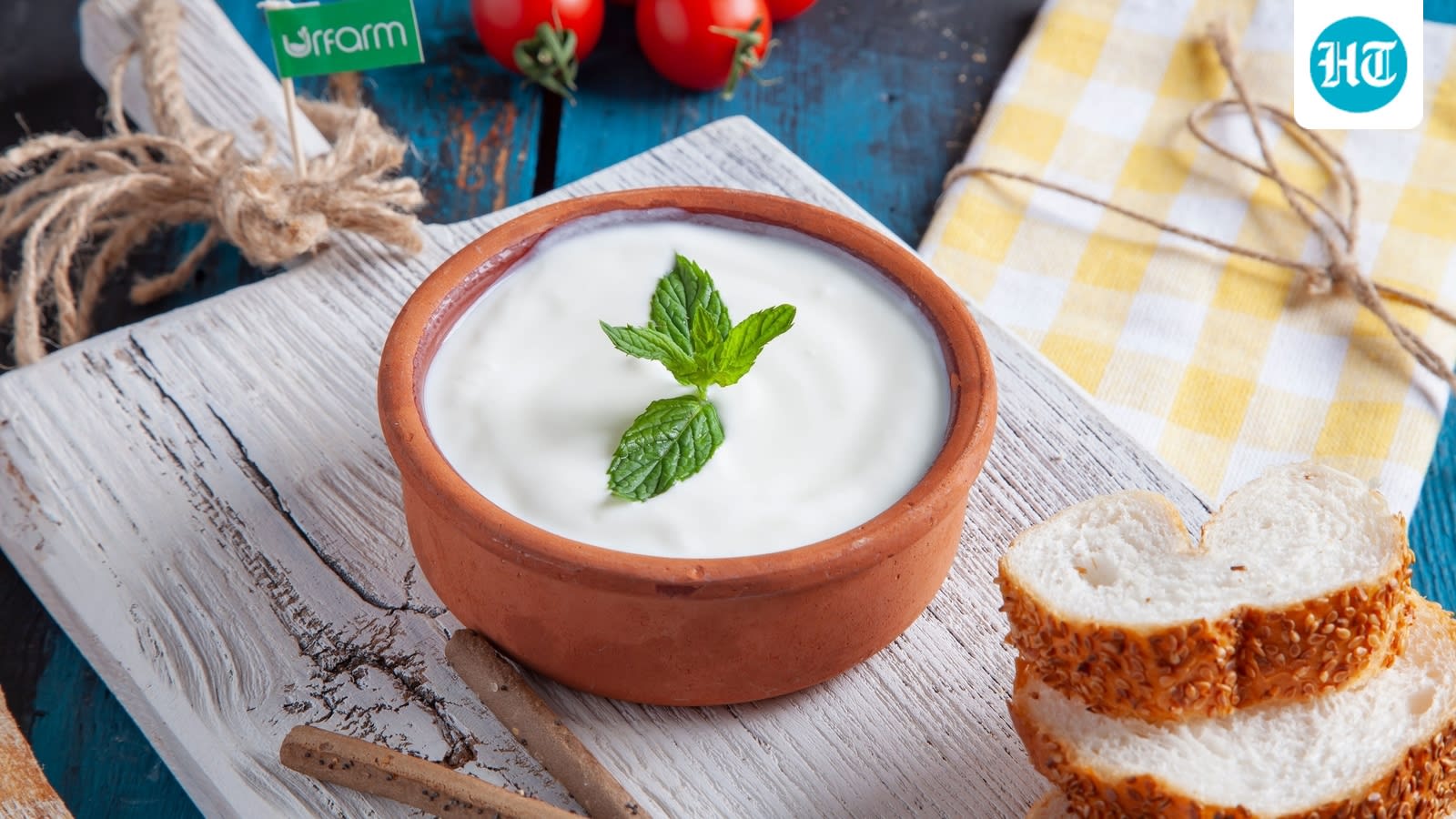
Homemade curd often turns sour or watery due to imbalances in milk quality, fermentation temperature, and starter culture usage. Expert guidance highlights that controlling these variables is essential for achieving the ideal creamy texture and flavor.
The Science of Fermentation: Why Homemade Curd Fails
Making curd at home is a staple practice in many households, yet it remains a delicate biological process governed by precise conditions. While seemingly simple, the transformation of milk into curd relies on the fermentation of lactose by beneficial bacteria. When this process deviates from the ideal, the result is often a product that is either unpleasantly sour or separated into a watery, unappealing texture. Understanding these failures requires a closer look at the intersection of microbiology and culinary technique.
The Critical Role of Milk Composition
According to Dr. Nethra N, consultant in internal medicine at Manipal Hospitals, the foundation of high-quality curd is the milk itself. The texture of the final product is heavily dependent on the density of milk solids and fat content. If the milk used has a low solid content, the resulting curd lacks the structure necessary to hold its form, leading to the release of whey, which manifests as the watery layer often found on top. High-quality, full-fat milk is essential for that thick, creamy consistency that home cooks strive for.
Fermentation Dynamics and Temperature
Temperature is perhaps the most volatile variable in the curd-making process. Fermentation is a temperature-sensitive reaction; if the environment is too hot, the bacteria multiply at an accelerated rate, leading to an over-production of lactic acid, which results in a sharp, sour taste. Conversely, if the temperature is too low, the fermentation process may be stunted or incomplete. Maintaining a stable, lukewarm temperature is vital for the bacteria to thrive without overwhelming the flavor profile of the milk.
The Impact of Physical Disturbances
Beyond chemical composition and temperature, the physical handling of the curd during the setting process is a frequently overlooked factor. Dr. Nethra emphasizes that disturbing the vessel while the curd is setting can prevent the protein network from forming correctly. When the curd is jostled or stirred prematurely, the delicate structure that traps the liquid within the solid mass is broken, inevitably leading to the separation of water. Patience is a functional requirement in the setting process.
Starter Culture and Timing
Finally, the amount of starter culture (the 'innoculum') and the duration of fermentation act as the control knobs for the final product. Using too much starter culture can cause the curd to set too quickly and sour rapidly, while leaving it to ferment for too long allows the bacteria to continue converting lactose into acid beyond the desired point. Balancing these inputs is an exercise in both science and experience, requiring the cook to adjust based on the specific ambient conditions of their kitchen.
Conclusion: Mastering the Process
In summary, the common frustrations of watery or sour homemade curd are not random accidents but the result of specific, controllable variables. By focusing on the quality of raw milk, maintaining a stable fermentation temperature, minimizing physical disturbance during the setting stage, and carefully measuring the starter culture, home cooks can achieve consistent results. Mastering these aspects elevates a basic kitchen task into a predictable, high-quality culinary outcome.
Verification Required?