William Gibson and the trademarking of cyberspace
Source Entity
Hacker News
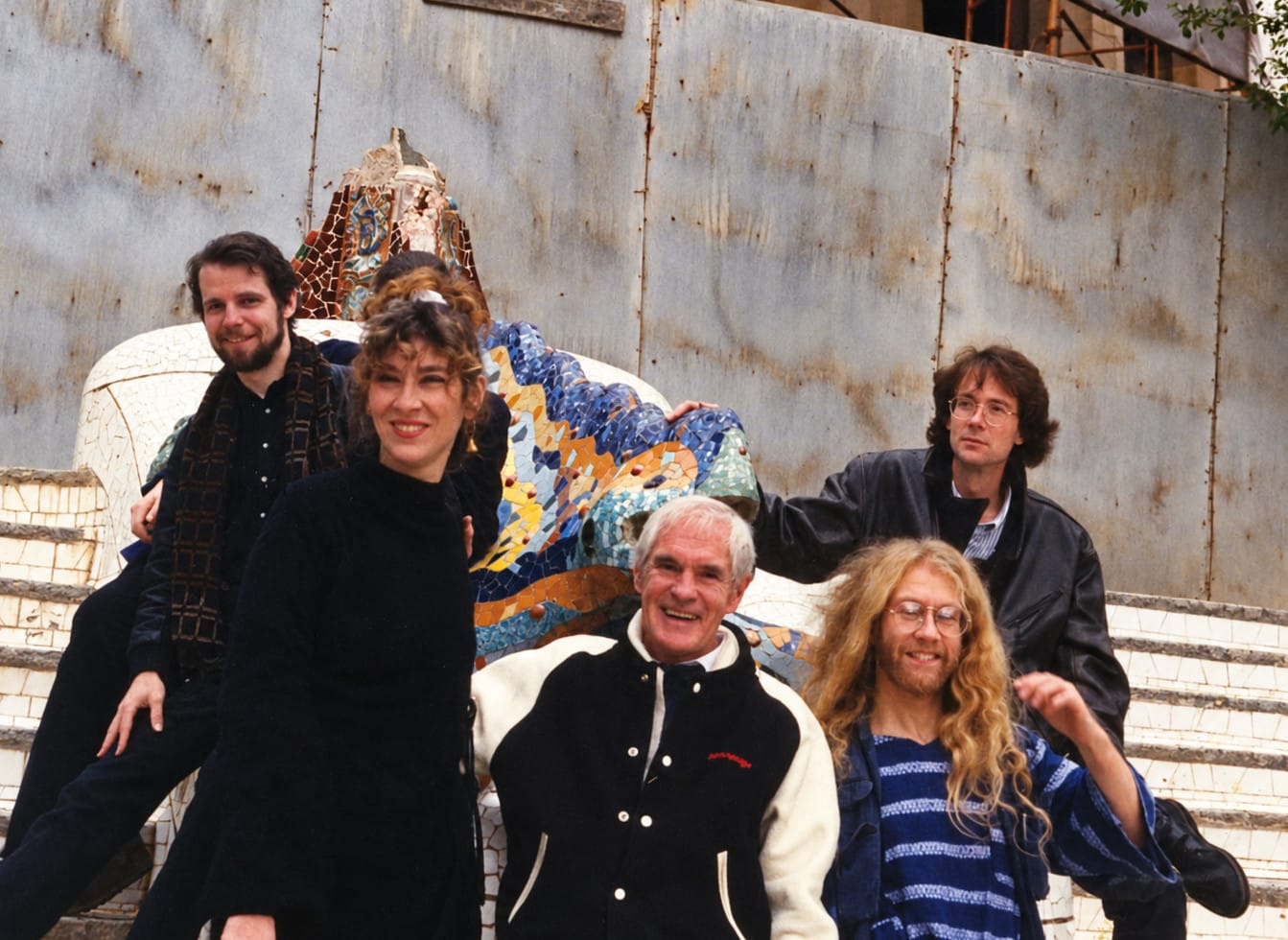
The persistent legend that Autodesk trademarked 'cyberspace' and William Gibson retaliated by trademarking 'Eric Gullichsen' is a long-standing digital myth. This report clarifies the origins of the rumor within the early 1990s virtual reality research community at Autodesk.
The Myth of the Cyberspace Trademark
For decades, a peculiar piece of internet folklore has persisted within the technology community: the story that the software giant Autodesk attempted to trademark the term "cyberspace," prompting science fiction author William Gibson to retaliate by trademarking the name of Autodesk researcher Eric Gullichsen. This anecdote has been repeated as a foundational myth of the early web, serving as a cautionary tale about corporate encroachment on linguistic and cultural concepts.
Origins in the Virtual Reality Lab
The roots of this story trace back to 1989 at the Autodesk Research Lab, a period marked by intense experimentation with early virtual reality (VR) technology. During this time, researchers were working with hardware that included NASA Ames-inspired setups, utilizing 386 processors, VPL EyePhones, and Polhemus trackers. The technical limitations were severe, with systems running at a sluggish six to ten frames per second, yet the atmosphere was one of profound innovation and cross-disciplinary collaboration.
Deconstructing the Rumor
While the narrative of a legal "trademark war" between Gibson and Autodesk makes for a compelling piece of tech lore, it lacks factual grounding in official trademark records. The rumor appears to be a conflation of the cultural tension felt when corporate entities begin to commodify terms popularized by visionary writers. In the early 90s, the term "cyberspace"—coined by Gibson in his 1982 short story "Burning Chrome" and popularized in his novel "Neuromancer"—had become the primary lexicon for the emerging digital frontier, making the idea of its corporate ownership particularly sensitive.
The Intersection of Culture and Corporate Tech
The presence of William Gibson at the 1990 gathering in Park Güell, Barcelona, alongside figures like Timothy Leary and Autodesk researchers, highlights the unique intersection of counter-culture, academia, and commercial software development during the nascent stage of the internet. This meeting of minds reflects a time when the boundaries between speculative fiction and reality were blurring, contributing to why such rumors gained traction and staying power.
Broader Implications for Intellectual Property
This urban legend underscores a broader historical anxiety: the fear that the linguistic tools used to define human experience in digital spaces would be captured by private interests. While Gibson never actually trademarked a person's name as a defensive maneuver, the persistence of this story speaks to the importance of the "commons" in technological development. It serves as a reminder of how communities interpret the power dynamics between creators and the corporations that aim to build upon their imaginative frameworks.
Conclusion
Ultimately, the story of the "Cyberspace™" trademark remains a fascinating artifact of early digital culture. By separating the myth from the reality of the 1989 Autodesk research project, we gain a clearer understanding of the history of virtual reality. The narrative serves not as a historical fact, but as a symbolic expression of the era's collective apprehension regarding the ownership of the digital future.