Windows 11 is now ‘up to 40 percent faster’ on PCs with 8GB of RAM
Source Entity
Tom Warren
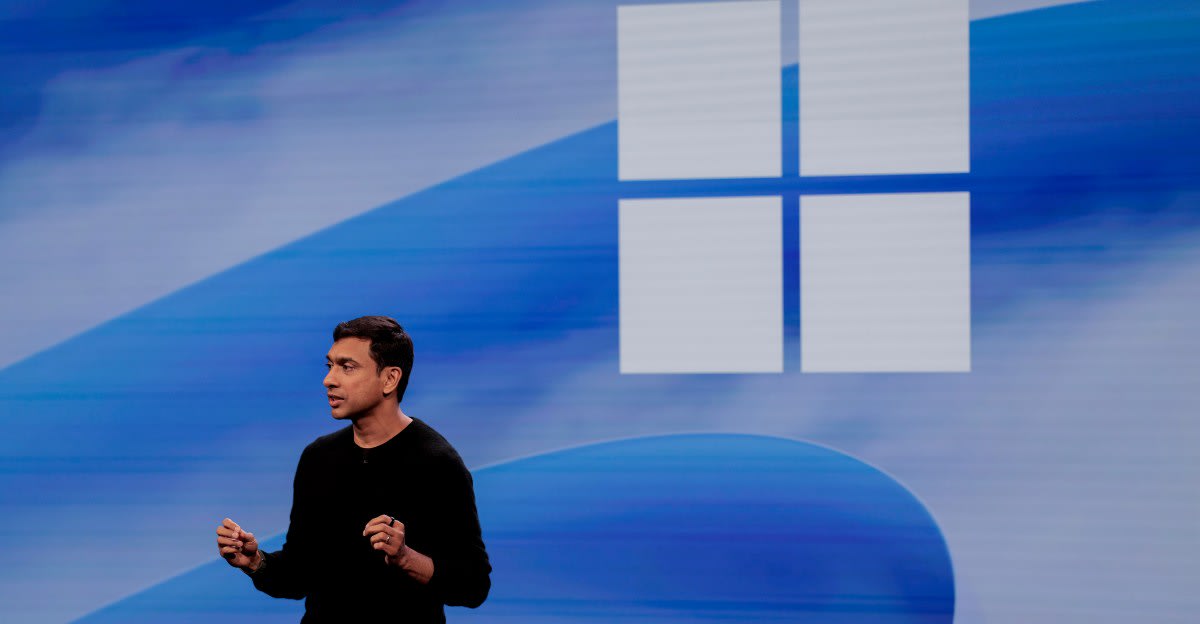
Microsoft has released a Windows 11 update significantly boosting performance for PCs with 8GB of RAM. By utilizing advanced memory compression, the OS is now up to 40 percent faster in multitasking scenarios.
Microsoft Optimizes Windows 11 for 8GB RAM Configurations
Microsoft has officially announced a series of performance-oriented updates for Windows 11, specifically targeting devices equipped with 8GB of RAM. For the past year, the company has focused heavily on refining memory management and overall system responsiveness. This latest development marks a significant milestone in Microsoft's efforts to ensure that the operating system remains efficient even on hardware that falls below the current industry trend of 16GB or higher configurations.
The Mechanics of Increased Responsiveness
According to Windows chief Pavan Davuluri, the core of these improvements lies in advanced memory compression techniques. By optimizing how the operating system handles data, Microsoft has effectively increased the capacity of the system to manage active processes. Specifically, these optimizations allow Windows 11 to retain up to 2GB more of a user's active data within the RAM, preventing the system from needing to offload that information to slower storage drives. This reduction in disk swapping is a primary driver for the reported 20 percent increase in system responsiveness.
Multitasking Gains and Performance Metrics
Perhaps the most notable statistic released by the company is that multitasking performance on 8GB machines is now up to 40 percent faster in internal lab tests. For the average user, this translates to a smoother experience when switching between multiple applications, browser tabs, and background processes. By minimizing latency in memory access, Microsoft is effectively extending the lifecycle and utility of entry-level and mid-range PCs that would otherwise struggle with the overhead of a modern operating system.
Broader Implications for Hardware Standards
This update arrives at a critical time in the PC market, where software requirements are constantly pushing the boundaries of entry-level hardware. By focusing on software-side optimization, Microsoft is demonstrating that hardware longevity can be improved through intelligent engineering. This serves as a vital update for users in educational or budget-conscious sectors who rely on 8GB machines to perform daily productivity tasks without the need for immediate hardware upgrades.
Future Trends in OS Efficiency
Looking forward, this push for better memory management suggests that Microsoft will continue to prioritize lean software design as a key differentiator. As AI features and background services become more integrated into the Windows ecosystem, the ability to manage limited system resources will remain a top priority for developers. This update not only stabilizes the current user base but sets a precedent for how future versions of Windows will handle the balance between feature expansion and performance stability.