Flavor Flav, Hillary Clinton weigh in as WNBA takes flak for weekday lunchtime finals game
Source Entity
US Top News and Analysis
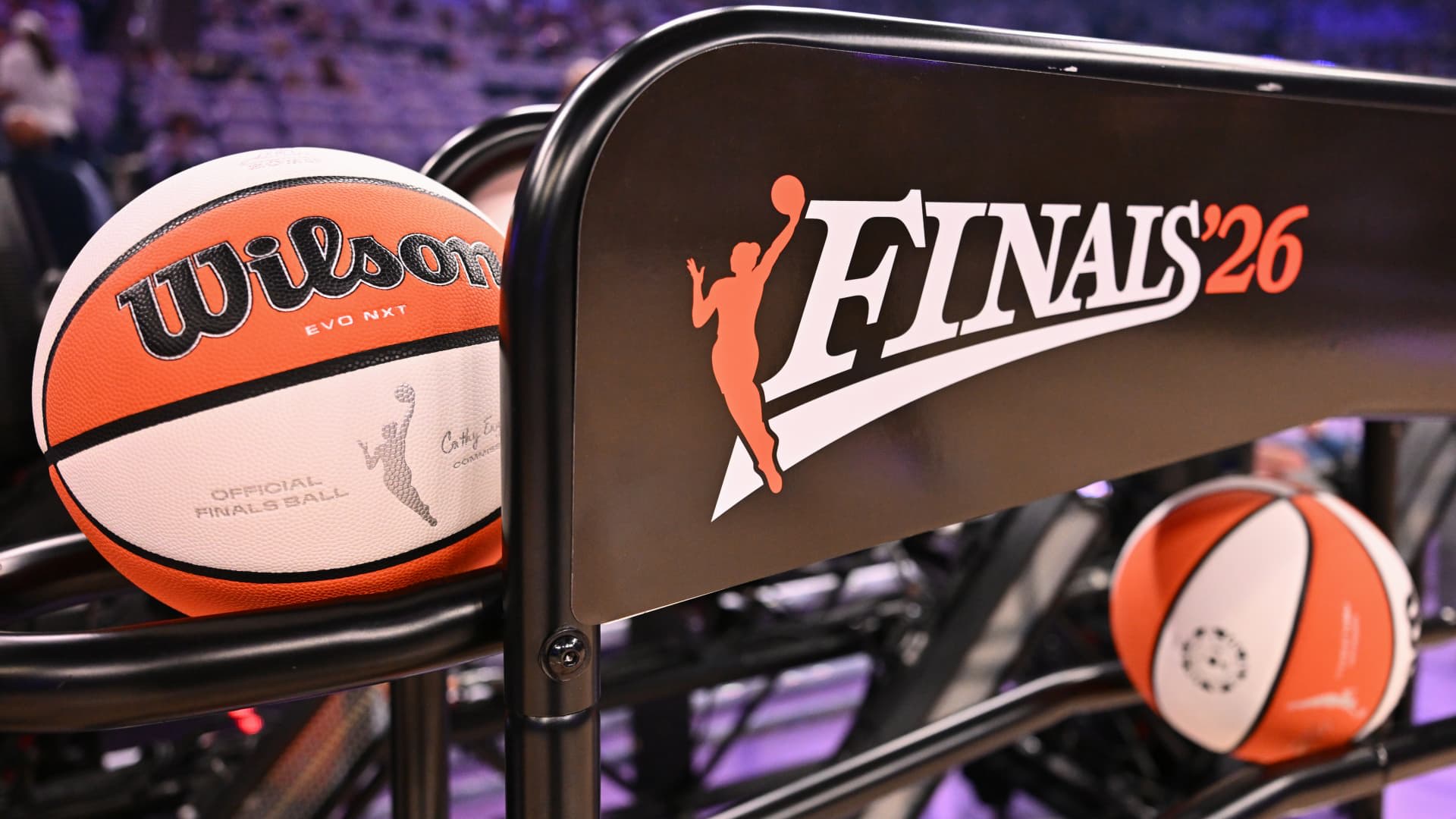
The WNBA is facing backlash from the Atlanta Dream and public figures like Hillary Clinton and Flavor Flav for scheduling a Finals game on a weekday afternoon. The controversy highlights growing tensions regarding viewership accessibility and the league's broadcast scheduling priorities.
The Scheduling Controversy: WNBA Finals Under Fire
The WNBA has found itself at the center of a burgeoning controversy following its decision to schedule a 2026 Finals game between the Atlanta Dream and the Golden State Valkyries for a Thursday afternoon. This scheduling choice, while potentially driven by broadcast logistics, has drawn sharp criticism from the Atlanta Dream organization, who argue that the timing disenfranchises the league's core audience by placing a marquee event during standard working and school hours.
High-Profile Intervention
The outcry has transcended typical sports commentary, drawing in cultural and political heavyweights. Both rapper Flavor Flav and former U.S. Secretary of State Hillary Clinton have weighed in on the decision. Their involvement underscores the growing cultural capital of the WNBA, as the league is increasingly viewed not just as a sports entity, but as a significant platform for social and gender equity discussions. When figures of this stature comment on scheduling, it signals that the WNBA’s operations are now under a broader, more critical public microscope than in previous decades.
Broadcast Logistics vs. Fan Accessibility
At the heart of the dispute is the tension between the league’s broadcast partners and the accessibility of the product for the average fan. Weekday afternoon slots are notoriously difficult for viewership growth among the working demographic. By placing such a critical game—Game 6 of the Finals—at this time, the league risks suppressing its own ratings and alienating the very fans who have fueled its recent surge in popularity. The Atlanta Dream’s vocal opposition reflects a growing sentiment that the league’s logistical decisions are not keeping pace with its rising stature.
The Golden State Valkyries and League Expansion
The presence of the Golden State Valkyries in the 2026 Finals highlights the league's aggressive expansion strategy. As the WNBA adds new franchises and expands its geographical footprint, the pressure to manage a complex schedule increases. However, the decision to host games at the Chase Center during unconventional times suggests that the league may be prioritizing arena availability or international broadcast feeds over the convenience of the domestic fanbase, a strategy that is clearly causing friction with participating teams.
Long-term Implications for League Management
This incident serves as a bellwether for the future of WNBA management. As the league continues to command higher rights fees and greater television exposure, it will face increased scrutiny regarding how it treats its product. The backlash from the Atlanta Dream suggests that teams are no longer content to remain passive participants in the league’s broadcast decisions. Moving forward, the WNBA will likely need to adopt a more collaborative approach to scheduling to ensure that the sanctity of the Finals is preserved in the eyes of the players, owners, and fans alike.