Throat slit, pushed down a gorge in Himachal, woman climbs back; husband, 2 others arrested
Source Entity
The Indian Express
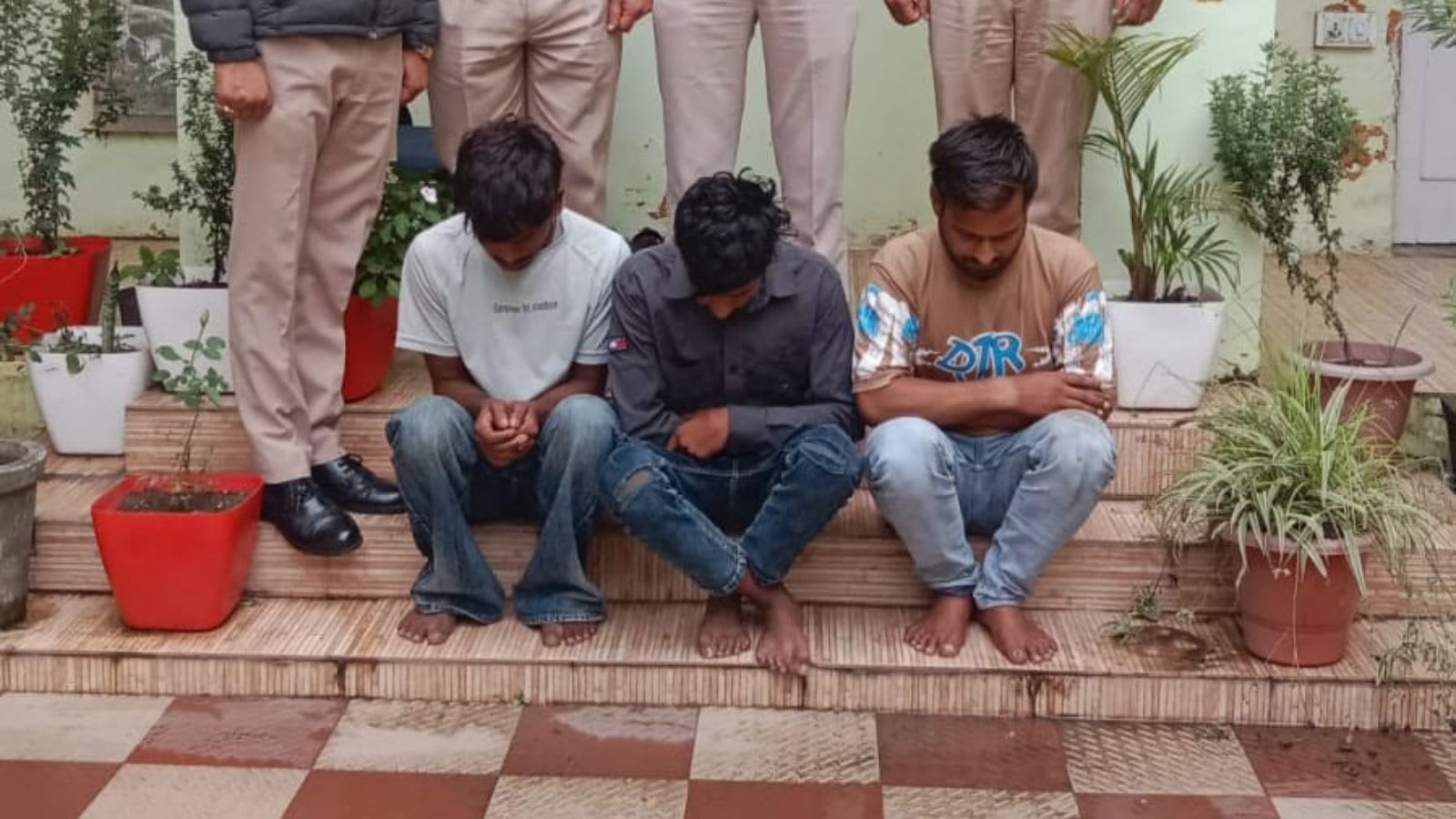
Holding on to bushes in which she was stuck after being pushed into a 100-metre deep gorge with her throat allegedly slit, a 26-year-old woman managed to climb up and seek help, surviving what police ...
A Miraculous Escape: Analyzing the Brutal Attack in Himachal Pradesh
In a harrowing instance of attempted femicide, a 26-year-old woman in Himachal Pradesh has survived an attack of extreme brutality. The incident, characterized by a premeditated attempt to erase all evidence of a crime, saw the victim's throat slit before she was cast into a 100-meter deep gorge. The sheer violence of the act suggests a deep-seated animosity and a calculated plan to ensure the victim's death, making her eventual survival not only a physical miracle but a critical victory for justice.
The Mechanics of Survival and Resilience
The survival of the victim is attributed to a combination of fortuitous environmental factors and an extraordinary will to live. After being pushed into the abyss, she was saved from a fatal impact by dense vegetation and bushes that broke her fall and provided a precarious foothold. Despite the critical injury to her throat—an injury designed to be fatal—the victim managed to maintain consciousness and physical coordination. The psychological fortitude required to climb back up a 100-meter cliff while suffering from a severe hemorrhage is nearly incomprehensible, highlighting a primal survival instinct that overcame extreme physical trauma.
Premeditation and Criminal Conspiracy
From a legal and investigative standpoint, the involvement of the husband and two other accomplices points toward a conspiracy. The act of slitting the throat before pushing the victim into a gorge indicates a 'double-assurance' method of killing, ensuring that if the fall did not kill her, the blood loss would. The presence of two additional suspects suggests that the husband did not act alone, implying a coordinated effort to execute the crime and potentially provide alibis for one another. This level of planning elevates the crime from a heat-of-the-moment domestic dispute to a calculated attempt at murder.
Societal Implications of Domestic Violence in Rural India
While Himachal Pradesh is often perceived as a serene and peaceful region, this event sheds light on the persistent undercurrents of domestic violence and gender-based crimes in semi-urban and rural Indian landscapes. Such attacks are often rooted in complex domestic disputes, dowry issues, or attempts to hide extramarital affairs. The brutality of this specific case underscores the vulnerability of women in isolated geographical areas, where the terrain itself is often weaponized by perpetrators to hide evidence of violence, assuming the wilderness will swallow the crime.
Legal Trajectory and the Role of the Survivor
With the arrest of the husband and his accomplices, the legal proceedings will rely heavily on the survivor's testimony and forensic evidence from the crime scene. In cases of attempted murder, the victim's ability to identify the perpetrators and describe the sequence of events is paramount. The recovery of the weapon used to slit the throat and the analysis of the gorge area will be critical in establishing the intent and the degree of conspiracy. This case is likely to be fast-tracked given the shocking nature of the crime and the clear evidence of attempted homicide.
Predicting Future Trends in Regional Crime Reporting
This incident is likely to spark a broader conversation regarding the safety of women in remote mountainous regions and the need for more accessible emergency response systems in Himachal Pradesh. As more survivors come forward, there may be a push for increased police patrolling in isolated areas and better support systems for victims of domestic abuse. Furthermore, this case serves as a grim reminder that geographic isolation can embolden criminals who believe they can commit 'perfect crimes' by utilizing the natural landscape to dispose of victims.
Conclusion
The survival of the 26-year-old woman is a testament to human resilience against overwhelming odds. What was intended to be a hidden execution became a public catalyst for justice. The arrest of the husband and his associates ensures that the perpetrators will face the full extent of the law, while the victim's courage in climbing back from the brink of death provides the strongest possible evidence against them.