Women’s HIL stares at an uncertain future
Source Entity
Latest News: Todays Latest News Headlines from India & World | Hindustan Times | Hindustan Times
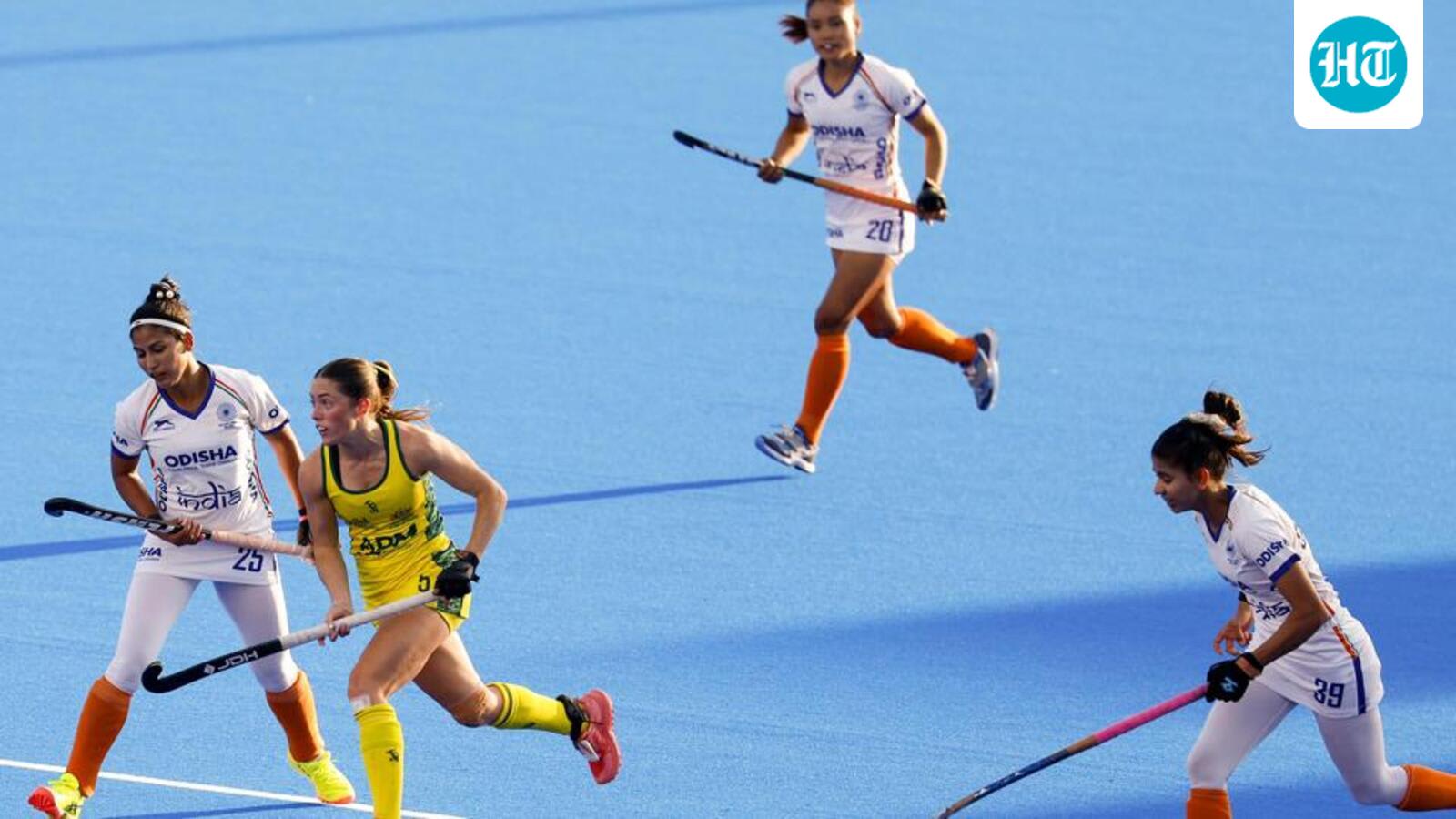
The Women’s Hockey India League faces a precarious future as teams withdraw due to severe financial instability. With unpaid salaries and franchise exits, the league's sustainability is now in critical jeopardy.
The Fragile State of the Women’s Hockey India League
The landscape of Indian professional hockey is currently defined by a sharp dichotomy. While the national women's hockey team continues to inspire on the global stage, earning accolades for their performance at the FIH World Cup in Amstelveen, the domestic infrastructure designed to support these very athletes is crumbling. The Women’s Hockey India League (HIL), once envisioned as a catalyst for professional development, is now staring at a bleak and uncertain future.
A Pattern of Financial Instability
Since its inception two years ago, the league has been plagued by a cycle of instability. The departure of the inaugural champions, Odisha Warriors, served as an early warning sign of the deep-seated financial challenges facing the tournament. Owned by Navoyam Sports, their exit highlighted the difficulty of maintaining commercial viability for women's sports franchises in a market that remains heavily skewed toward traditional sports like cricket.
The Collapse of Franchises
The situation has deteriorated further with the exit of the Ranchi Royals. Replacing the Odisha Warriors was meant to be a stabilizing move for the league, yet the Royals—owned by entrepreneur Alvish MA—have followed the same path of withdrawal. The ripple effects of this collapse are profound, as players and coaching staff have reported that their salaries remain unpaid for months, leaving them in a state of professional and financial limbo.
The Human Cost of League Mismanagement
Beyond the business metrics, the most concerning aspect of this crisis is the impact on the athletes themselves. These players, who represent the pinnacle of Indian hockey, are forced to focus on international commitments while their domestic livelihoods are threatened by organizational insolvency. The lack of financial security directly undermines the development of a robust professional pathway, potentially forcing talent to reconsider their commitment to the sport.
Broader Implications for Indian Sports
The struggles of the Women’s HIL reflect a broader, systemic challenge in the Indian sports ecosystem: the difficulty of converting international success into sustainable domestic leagues. Without a viable economic model that ensures franchise longevity and player remuneration, the league risks complete dissolution. The exit of multiple teams within such a short timeframe suggests a lack of robust oversight and financial planning at the ownership level.
Future Trends and Outlook
Looking ahead, the future of the Women’s HIL depends entirely on structural reform. Unless the league can secure reliable investment and establish strict financial compliance standards to protect player wages, it is unlikely to survive. The current trend of franchise exits and non-payment indicates that without immediate intervention, the tournament may cease to function, depriving athletes of crucial match practice and professional opportunities.
Verification Required?