Wonderwall vs Thingwall: Viking city near Liverpool and what Norway row means to England
Source Entity
The Indian Express
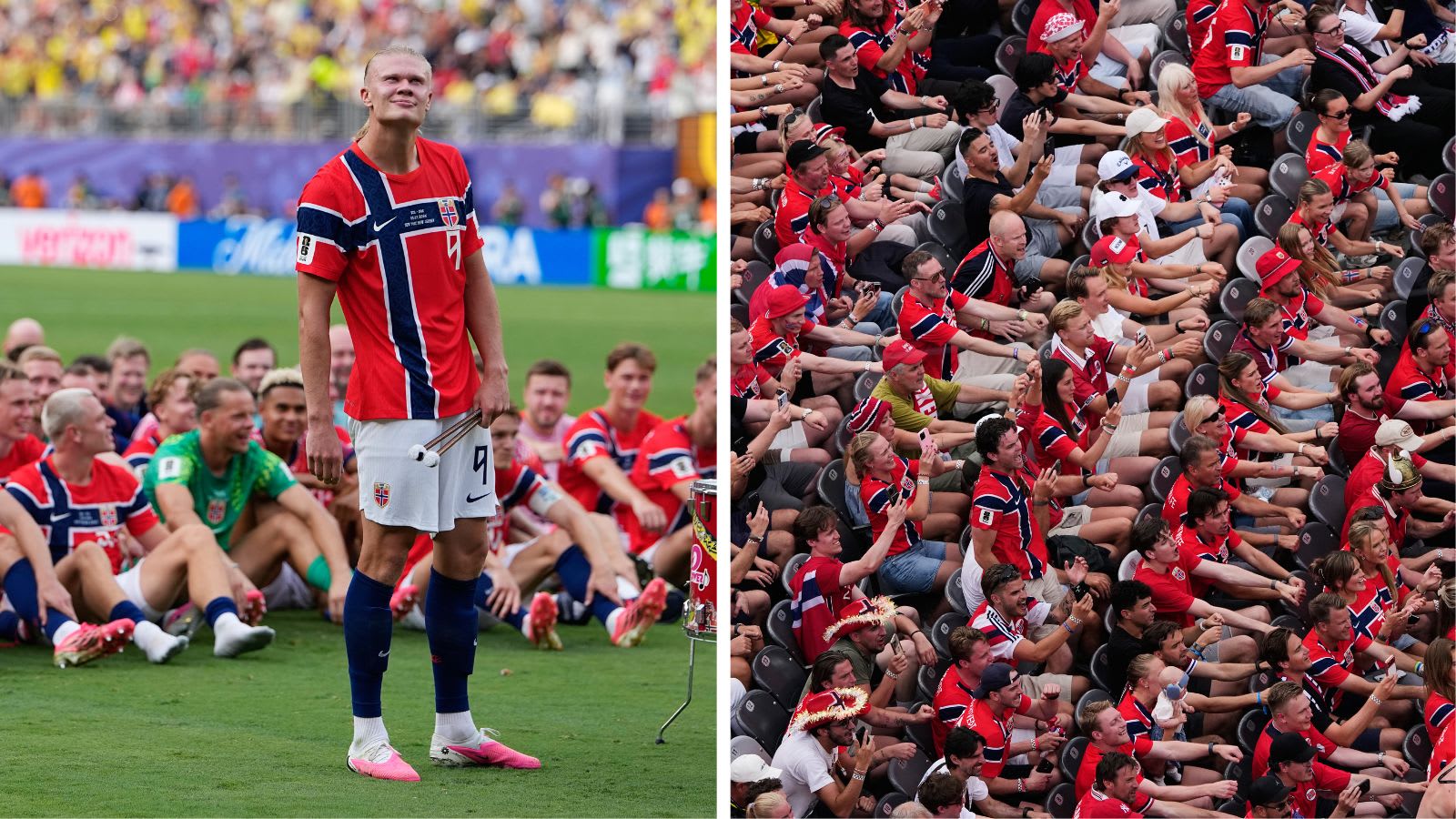
While the Viking Row and Erling Haaland’s intimidating run have swept over the World Cup pop culture and fan celebrations, England vs Norway takes the former into ancient history – when they were colo...
The Convergence of Ancient Heritage and Modern Rivalry
The intersection of sports, pop culture, and ancient history often reveals deeper truths about national identity. The current discourse surrounding the 'Norway row' and the sporting dominance of figures like Erling Haaland serves as a modern mirror to the ancient historical ties between Norway and England. By contrasting 'Wonderwall'—a symbol of modern Mancunian and English cultural export—with 'Thingwall,' a site of ancient Norse administration near Liverpool, we see a narrative of two nations that have been intertwined through conquest, settlement, and cultural exchange for over a millennium.
The Significance of Thingwall and the Viking Legacy
Thingwall, located on the Wirral peninsula near Liverpool, is not merely a place name but a linguistic fossil of the Viking Age. The term 'Thing' referred to the governing assembly of the Norse people, where legal disputes were settled and political decisions were made. The existence of a 'Thingwall' in the North West of England underscores the depth of Norse penetration into the British Isles, moving beyond mere raiding to the establishment of structured, colonial governance. This historical anchor demonstrates that the presence of Norwegians in England was not a transient event but a foundational element of the region's early medieval social fabric.
Wonderwall vs. Thingwall: A Study in Cultural Identity
The juxtaposition of 'Wonderwall' and 'Thingwall' represents a clash between two different eras of English identity. 'Wonderwall,' the iconic anthem by Oasis, symbolizes the grit, pride, and global reach of the North West's modern industrial and musical heritage. In contrast, 'Thingwall' represents a pre-English, Scandinavian influence that shaped the very land the music was born from. This linguistic play suggests that while England views itself as a distinct entity, its roots are inextricably linked to the Norsemen who once settled the coasts of Merseyside and beyond, creating a hybrid identity that persists in local geography and dialect.
Modern 'Invaders': Erling Haaland and the Sporting Parallel
The mention of Erling Haaland’s 'intimidating run' serves as a contemporary parallel to the Viking incursions of the past. Just as the Norse warriors once swept across the English landscape with overwhelming force, Haaland’s presence in the English Premier League represents a new form of Norwegian dominance. This sporting rivalry revitalizes the ancient tension and admiration between the two nations, transforming a historical conflict into a celebrated athletic competition. The 'Norway row' mentioned in the context highlights how quickly modern sporting events can trigger a resurgence of interest in the ancestral links that define the relationship between these two North Sea neighbors.
Broader Implications of the Anglo-Norse Connection
The historical relationship between Norway and England has evolved from one of violent raids to one of strategic partnership and cultural appreciation. The legacy of the Danelaw and the Norse settlements in the North West provided a blueprint for trade and administration that influenced the development of the English state. Understanding the significance of sites like Thingwall allows for a more nuanced view of English history—one that acknowledges the foreign influences that contributed to the formation of the national character. This historical perspective transforms a simple football match or a cultural debate into a reflection on the fluidity of borders and identities over centuries.
Conclusion: A Synthesis of Past and Present
In summary, the dialogue between the ancient history of Thingwall and the modern cultural markers of Wonderwall and Erling Haaland illustrates the enduring bond between Norway and England. Whether through the establishment of Norse assemblies in the Wirral or the dominance of Norwegian athletes in English stadiums, the influence of Scandinavia remains a potent force in the British psyche. By recognizing these parallels, we gain a deeper appreciation for how history continues to inform modern rivalry and cultural exchange, proving that the 'Viking spirit' is still very much alive in the contemporary relationship between these two nations.