Ranch dressing and stuffed raccoons: Some of the World Cup’s biggest winners as Spain and Argentina face off in the final
Source Entity
Weston Blasi
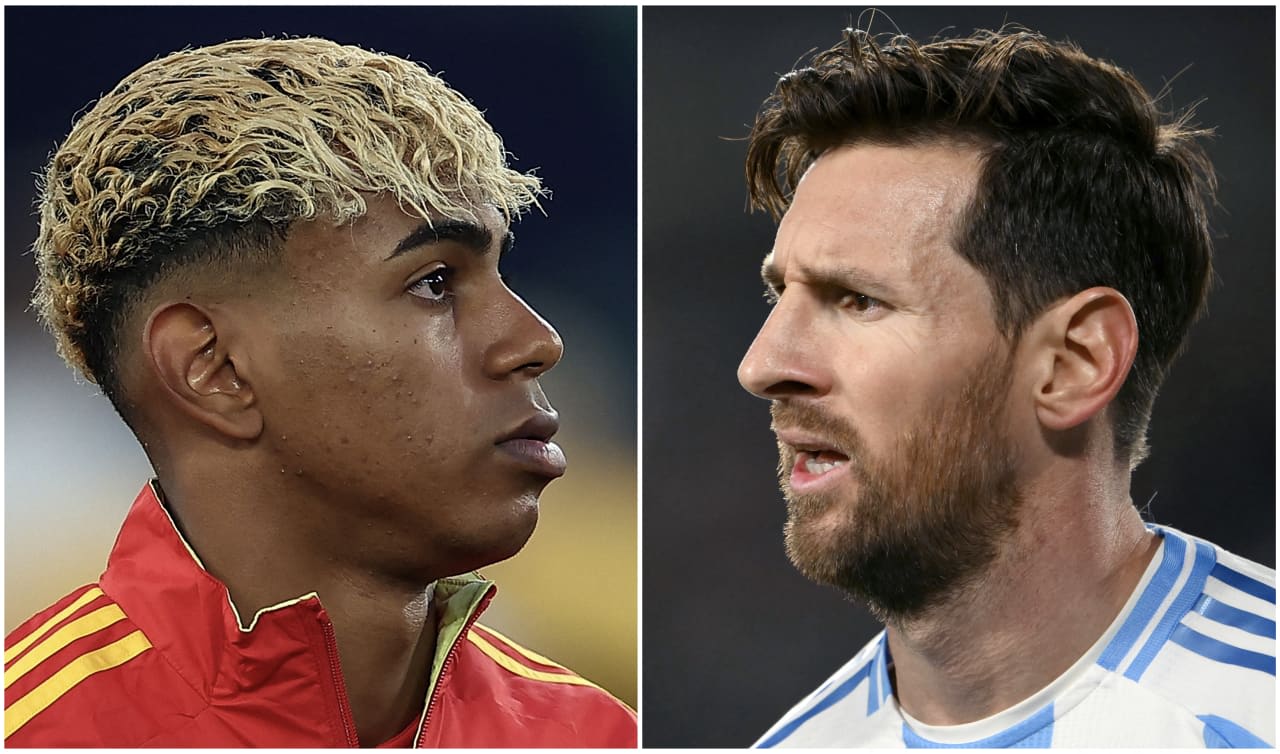
As the World Cup concludes, the competition for marketing dominance and viral social media engagement has become as fierce as the tournament itself. Brands are leveraging unconventional tactics, such as bizarre product placements and quirky memorabilia, to capture global attention.
The Off-Field World Cup: Marketing Beyond the Pitch
While the eyes of the world are fixated on the on-field battle between Spain and Argentina, a parallel competition has been unfolding in the digital and commercial arenas. The World Cup serves as a global stage where brands, media outlets, and advertisers engage in a high-stakes struggle for visibility, ad dollars, and viral fame. This secondary tournament is defined not by goals or saves, but by the ability to capture the fleeting attention of a global audience.
The Rise of Unconventional Marketing
This year’s tournament has seen a shift toward the absurd and the unexpected. The mention of 'ranch dressing' and 'stuffed raccoons' highlights a departure from traditional sports advertising. By utilizing bizarre, humorous, or nonsensical imagery, brands are attempting to cut through the noise of traditional commercial breaks. These items serve as cultural shorthand for a brand’s willingness to embrace the 'weird,' which often performs exceptionally well in the algorithmic environment of social media.
The Economics of Viral Fame
In the modern digital landscape, viral fame is a currency as valuable as traditional sponsorship. When a brand creates a moment that sparks online conversation—whether through a strange mascot or a meme-worthy product placement—they effectively bypass the cost of traditional paid media. The 'off-field battle' is essentially an optimization game, where the goal is to trigger the sharing mechanisms of platforms like TikTok, X, and Instagram, thereby extending the brand's reach far beyond the live broadcast.
Historical Context of Sports Advertising
Historically, World Cup advertising focused on prestige, athletic excellence, and national pride. However, as audiences have become more fragmented and skeptical of polished corporate messaging, the strategy has pivoted. We are seeing a move toward 'participatory marketing,' where the audience is invited to comment on, mock, or share the absurdity of the content. This transition reflects a broader trend in advertising where authenticity, even if it is manufactured through quirkiness, is prioritized over grand, cinematic storytelling.
Future Trends in Tournament Engagement
As we look toward future global sporting events, we can expect this trend of 'manufactured viral moments' to intensify. Brands will likely continue to invest in low-budget, high-impact aesthetic choices that feel native to social media feeds. The success of the current strategies suggests that moving forward, the most 'successful' brands at the World Cup will not necessarily be the ones with the biggest budgets, but the ones most willing to embrace the chaotic nature of internet culture.
Conclusion: The New Champions of the Cup
Ultimately, the winners of the World Cup are not just the players lifting the trophy. The true victors of the commercial campaign are the entities that successfully navigated the intersection of sports fandom and digital absurdity. Whether through stuffed animals or condiment-based marketing, these champions have proven that in the modern era, capturing attention is the ultimate sport, and the rules of the game are being rewritten in real-time.
Verification Required?