World model companies are keeping a lot of secrets
Source Entity
Russell Brandom
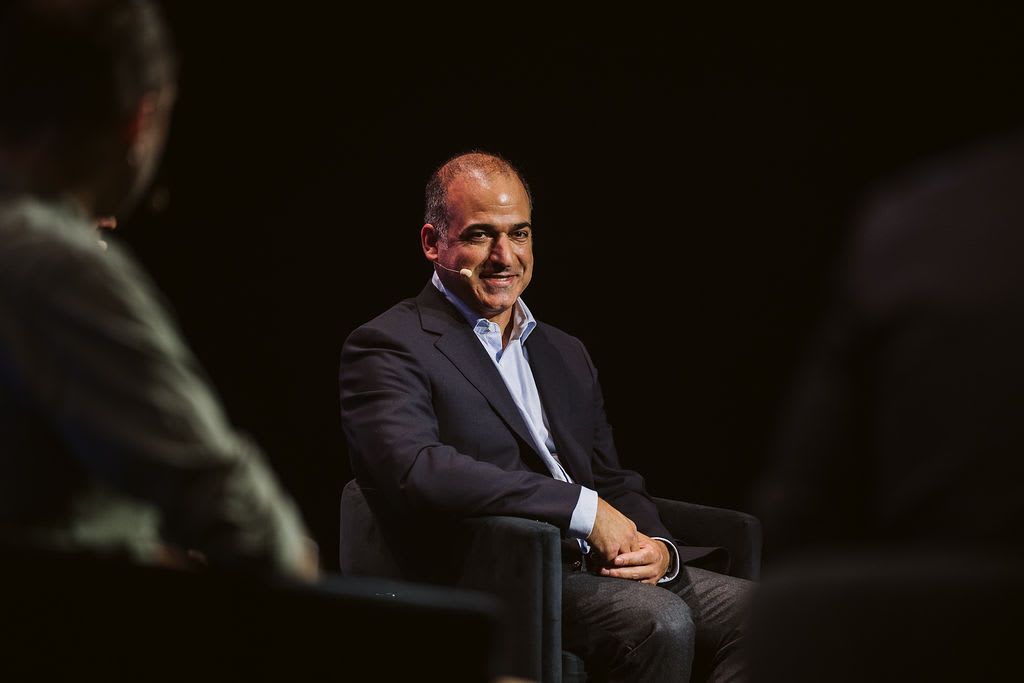
Leading AI research organizations like AMI Labs and World Labs are advancing 'world models' to automate spatial intelligence. Despite high funding and industry buzz, these companies remain notably opaque regarding their specific commercialization strategies.
The Opaque Frontier of World Models
The artificial intelligence industry is currently witnessing the emergence of a highly specialized and enigmatic domain known as "world models." As research entities like Yann LeCun’s AMI Labs and Fei-Fei Li’s World Labs command significant capital and attention, a critical disconnect has formed between their scientific ambitions and their public-facing business roadmaps. While these organizations are flush with resources, they remain notoriously tight-lipped regarding the specific mechanics, data sources, and timelines for their projects.
Defining Spatial Intelligence
At the heart of this research lies the quest for "spatial intelligence." Unlike traditional Large Language Models (LLMs) that primarily process text-based tokens, world models aim to help AI systems perceive, understand, and interact with the physical environment. This shift represents a move toward machines that possess a more grounded understanding of reality, which is widely considered the next logical leap in the evolution of artificial general intelligence (AGI).
Potential Pathways to Commercialization
The potential applications for world models are vast, ranging from the development of sophisticated humanoid robotics to the creation of hyper-realistic interactive video environments. Furthermore, this technology holds significant promise for the future of self-driving systems, which require an advanced, real-time grasp of spatial dynamics to navigate safely. However, as noted during the All In conference, these theoretical applications have yet to translate into clear commercial products or revenue streams.
The Challenge of Transparency
Industry observers and moderators, such as those at the All In conference, have noted that attempting to extract concrete information from key players—including founders and data suppliers—is remarkably difficult. Even when probing industry leaders like Michael Rabbat, a co-founder of AMI Labs, the path toward commercialization remains shrouded in ambiguity. This lack of clarity suggests that the field is still in a foundational research phase, where the focus is on achieving technical breakthroughs rather than immediate market viability.
Future Trends and Industry Outlook
As these companies continue to operate under a veil of secrecy, the broader AI ecosystem is left to speculate on the timeline for real-world deployment. The current trend suggests a "build-first, monetize-later" approach, common in high-stakes deep tech sectors. In the coming years, we can expect a shift toward more tangible demos as the underlying spatial intelligence models mature and the pressure to justify massive capital investments increases.
Conclusion
In summary, while world models represent one of the most exciting frontiers in modern technology, they are currently defined more by their potential than their present-day utility. The industry is effectively in a "black box" phase, where the immense buzz and funding are directed toward unsolved problems of spatial reasoning. Until these organizations provide greater transparency regarding their commercial milestones, the true impact of their work on the global economy will remain a subject of intense speculation.