The women’s soccer league trying to fix fantasy sports
Source Entity
Dominic Preston
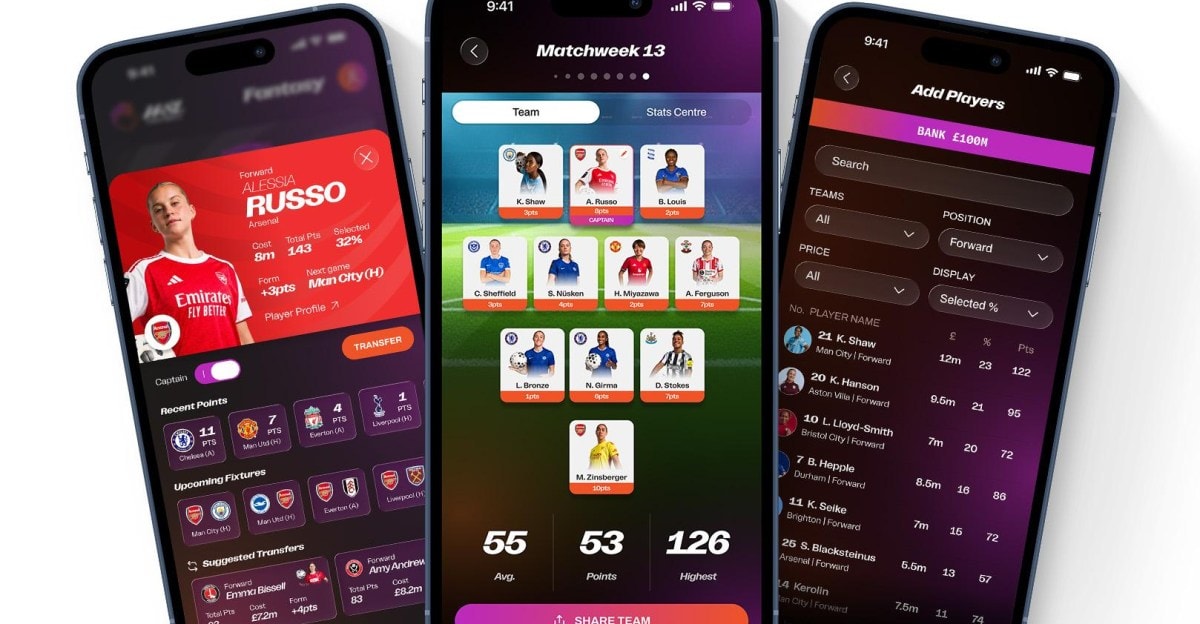
A new fantasy sports league for the Women’s Super League (WSL) is launching with a unique, multi-part structure to improve user retention. By breaking the season into six phases and incorporating modern design elements, the platform aims to make fantasy gaming more accessible to new fans.
Rethinking Engagement in Fantasy Sports
The landscape of fantasy sports has long been defined by high-commitment, monthslong seasons that often alienate casual participants. The inherent difficulty of maintaining consistent weekly management leads to significant user attrition, a phenomenon well-documented in long-standing platforms like Fantasy Premier League (FPL). For emerging leagues, such as the Women’s Super League (WSL), the barrier to entry must be lowered to convert new viewers into dedicated fans.
The Retention Challenge
Traditional fantasy formats are often punitive, where a single missed week of roster management can derail an entire season's progress. This 'all-or-nothing' dynamic is a major hurdle for growth. When fans feel they have fallen too far behind to be competitive, they simply stop playing. By addressing this core issue of retention, the new WSL fantasy platform aims to foster a more sustainable and engaging relationship between the league and its audience.
A Modular Approach to Competition
To solve the retention crisis, the upcoming WSL fantasy game introduces a structural innovation: a season divided into six distinct parts. This modular design effectively resets the stakes throughout the year, allowing new players to join at various points without the crushing disadvantage of a poor start. By creating 'two leagues in one,' the platform provides multiple opportunities for success, keeping users invested long after the initial excitement of the season opener.
Modernizing the User Experience
Beyond the scoring mechanics, the platform integrates an Instagram-influenced design aesthetic. This choice is strategic, targeting a demographic that values intuitive, visually driven interfaces over the dense, spreadsheet-heavy dashboards of legacy fantasy games. By aligning the user experience with modern social media habits, the league is positioning itself to capture the attention of a younger, more digitally native audience.
Implications for League Growth
As the Women’s Super League continues to expand its global footprint, digital engagement tools are becoming as vital as on-field performance. By simplifying the barrier to entry, the WSL is not just launching a game; it is building a funnel for long-term fandom. If successful, this model could serve as a blueprint for other niche or growing sports leagues looking to leverage gamification to build a loyal, consistent viewer base.
Future Trends in Gamification
Looking ahead, the success of this initiative could signal a shift in how sports organizations approach digital interaction. The move away from rigid, season-long grind cycles toward shorter, more social-media-integrated experiences represents a broader trend in sports technology. As this platform launches alongside the Manchester United versus London City Lionesses match, its performance will likely dictate the next wave of innovation in fantasy sports architecture.