The X-Files creator Chris Carter wanted to make a more horrific movie
Source Entity
Charles Pulliam-Moore
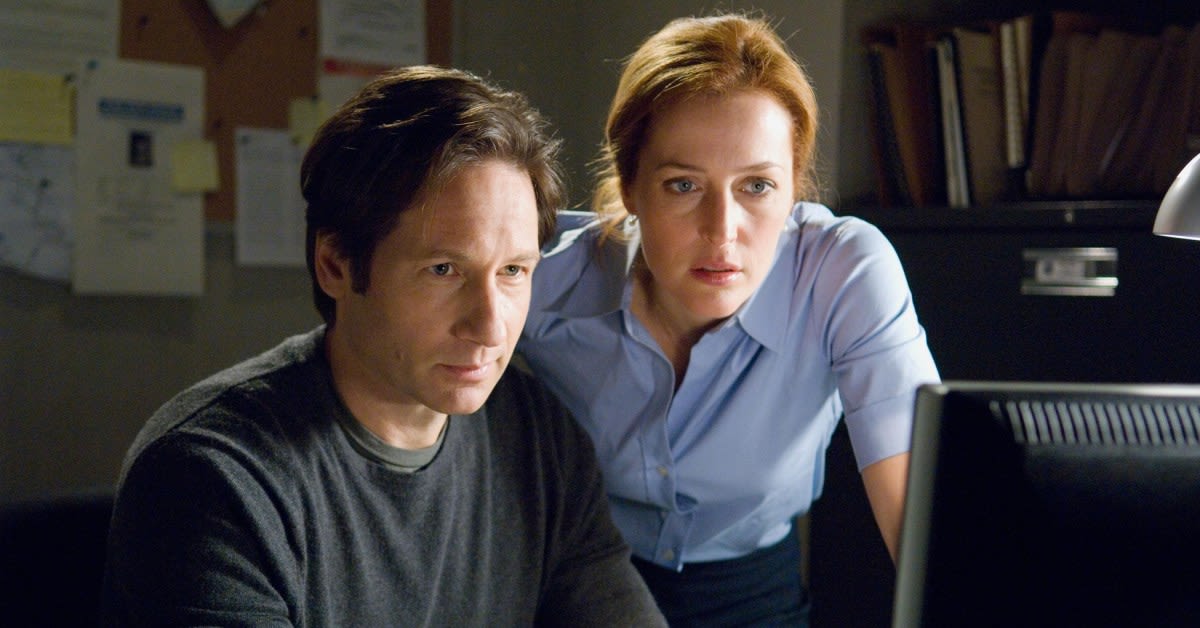
Chris Carter has released an R-rated director's cut of the 2008 film 'The X-Files: I Want to Believe' on Hulu. This new version, titled 'Vrach Frankenshteyn,' restores the darker, more horrific vision originally intended by Carter before studio interference.
The Unveiling of a Darker Vision: Revisiting The X-Files
For nearly two decades, the 2008 film The X-Files: I Want to Believe has stood as a polarizing entry in the franchise's history. While it served as a bridge between the show's original run and its eventual revival, creator Chris Carter has long maintained that the theatrical release was a compromised vision. Studio pressure from 20th Century Fox forced Carter to pivot away from a grittier, horror-centric narrative, resulting in a PG-13 film that many fans felt lacked the visceral intensity of the television series.
Studio Interference and the PG-13 Mandate
The core of the conflict lay in the tonal expectations of the studio. In the mid-2000s, blockbuster filmmaking was heavily incentivized toward PG-13 ratings to maximize theatrical accessibility and box office reach. Carter’s original concept, which explored themes of faith and the supernatural through a lens of gore and psychological horror, was deemed too dark for the general audience. This creative friction ultimately led to a film that, despite grossing $68 million against a $30 million budget, left both the creator and the die-hard fanbase feeling as though a significant opportunity for cinematic storytelling had been missed.
The Resurrection of 'Vrach Frankenshteyn'
Almost twenty years later, the release of The X-Files: I Want to Believe–Vrach Frankenshteyn on Hulu represents a rare opportunity for retroactive creative justice. By offering an R-rated director's cut, Carter is finally able to present the grisly, supernatural elements that were excised from the 2008 version. This move not only satisfies long-standing curiosity among the fanbase but also highlights the evolving landscape of digital distribution, where platforms like Hulu allow creators to bypass traditional theatrical constraints to restore their original artistic intent.
Historical Context and Franchise Legacy
It is important to view this release within the broader history of the X-Files franchise. The moderate success of the 2008 film was arguably the catalyst that kept the property alive long enough to justify the return of Mulder and Scully in the 2016 limited-run TV series. By revisiting the film now, the franchise bridges the gap between its past iterations and the future, specifically as fans await the upcoming reboot currently in production under Ryan Coogler. This director's cut serves as both a retrospective correction and a testament to the enduring appeal of Carter's original vision.
Implications for Future Storytelling
The success of this director's cut could signal a broader trend in how legacy franchises treat their older, compromised installments. In an era of constant reboots and remasters, giving creators the agency to "fix" or "restore" their work offers a nuanced way to engage with intellectual property. For The X-Files, this release provides a definitive version of a story that was previously marred by corporate caution, ensuring that the legacy of Mulder and Scully remains as sharp and unsettling as it was during the show's peak.
Multiple Citing Sources