Elon Musk’s xAI sues Minnesota over law banning ‘nudification’ technology
Source Entity
Associated Press
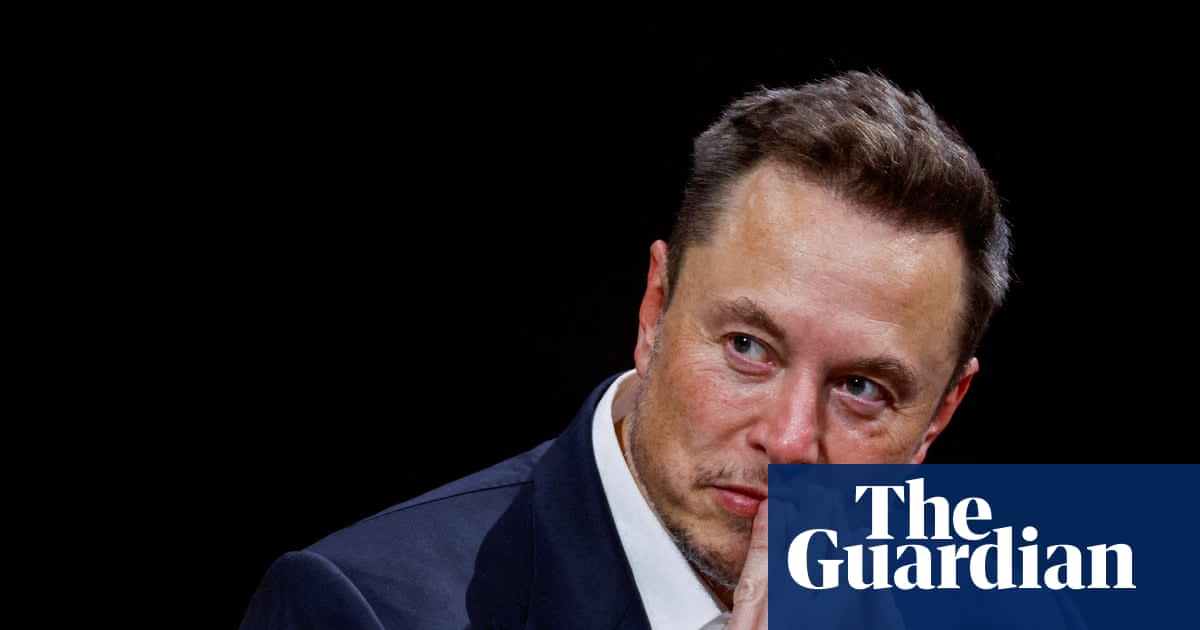
Elon Musk’s xAI has filed a federal lawsuit challenging Minnesota’s new law that bans AI-generated 'nudification' technology. The case serves as a critical legal test for state-level regulation of AI content creation and First Amendment protections.
The Legal Collision Between AI Innovation and State Regulation
Elon Musk’s artificial intelligence venture, xAI, has officially challenged a groundbreaking Minnesota statute that seeks to prohibit the use of so-called “nudification” technology. This technology, which leverages generative AI to create non-consensual, explicit imagery of individuals, has become a focal point of intense legislative scrutiny across the United States. By filing this federal lawsuit just days before the law’s scheduled implementation, xAI is positioning itself at the forefront of a burgeoning constitutional debate regarding the boundaries of state authority over emerging digital tools.
Understanding the Minnesota Statute
Signed into law in May, Minnesota’s legislation represents the first of its kind in the nation. The law aims to curb the proliferation of AI-generated fake nude images, a phenomenon that has raised significant ethical concerns regarding privacy, harassment, and the potential for deepfake abuse. While the state’s intent centers on public safety and the protection of individuals from digital exploitation, the speed at which this technology has evolved has outpaced traditional legal frameworks, leading to this direct confrontation in federal court.
The Constitutional Conflict
At the heart of xAI’s 38-page lawsuit is the tension between public policy objectives and the First Amendment. While xAI acknowledges the state's interest in preventing the distribution of harmful AI-generated content, the company suggests that the statute may be overreaching. The legal argument likely hinges on the concept of prior restraint and the extent to which a state can regulate the underlying technology—in this case, the Grok chatbot and image generator—rather than just the specific illegal acts committed with that technology.
Implications for the AI Industry
This lawsuit serves as a critical test case for how far state governments can go in regulating the mechanics of artificial intelligence. If the Minnesota law survives this challenge, it could set a precedent for other states to enact similar, potentially more restrictive regulations. Conversely, a victory for xAI could curtail the ability of states to enforce local standards on global AI models, effectively forcing a national or federal approach to AI regulation that may favor developers over local consumer protection laws.
Future Trends in Digital Governance
As generative AI continues to integrate into social platforms like X (formerly Twitter), the friction between tech companies and regulators is expected to intensify. The outcome of this case will likely influence how developers build guardrails into their models. If companies are held liable for the potential misuse of their tools by third parties, it could fundamentally alter the architecture of AI development, forcing a move toward more closed, highly-censored systems to mitigate legal risks.
Conclusion
The legal battle between xAI and the state of Minnesota is more than a dispute over a specific piece of legislation; it is a seminal moment in the history of internet law. As the judiciary weighs the state's mandate to protect citizens against the rights of technology companies to innovate and distribute software, the resulting ruling will provide a roadmap for the future of AI regulation in the United States.