My area of joy in Madras was Egmore : Y. Gee Mahendra
Source Entity
India Latest News: Top National Headlines Today & Breaking News | The Hindu
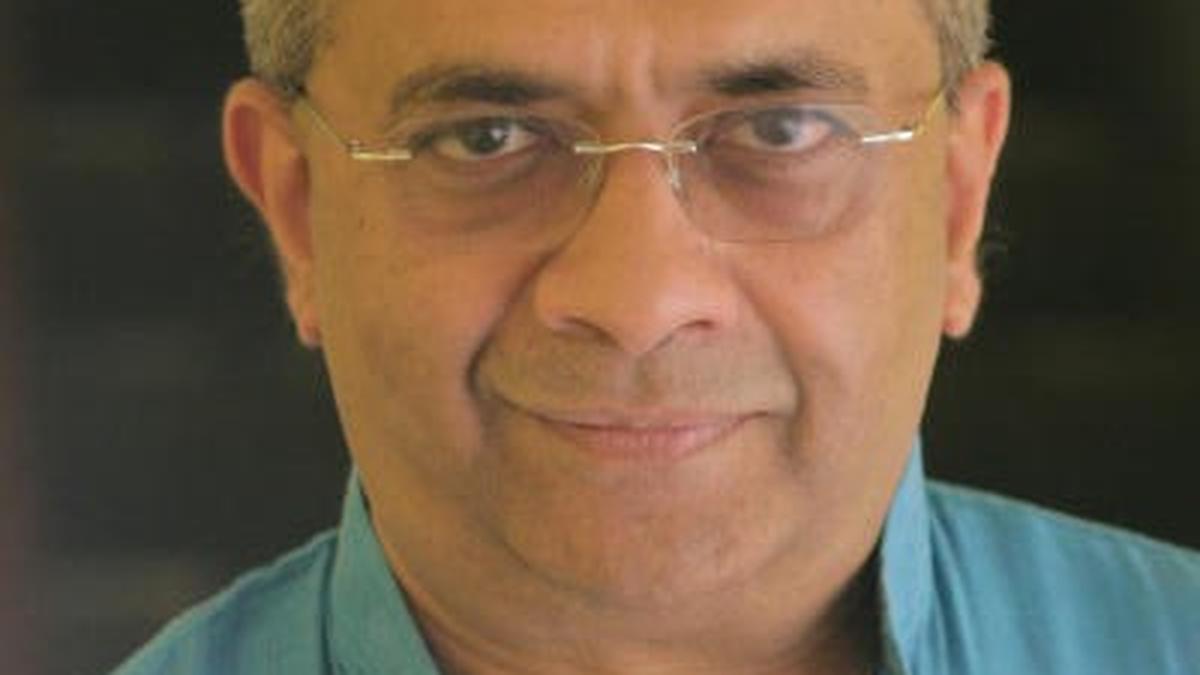
Renowned theatre personality Y. Gee Mahendra reflects on his formative years in Madras, specifically highlighting Egmore and Nungambakkam. His childhood experiences in these neighborhoods served as the foundation for his lifelong career in acting and drama.
A Retrospective on the Cultural Heart of Madras
Veteran actor and theatre personality Y. Gee Mahendra has offered a nostalgic glimpse into his formative years in Madras, painting a vivid picture of a city that shaped his artistic sensibilities. Central to his memories is the neighborhood of Egmore, specifically his grandparents' residence situated opposite the iconic Museum Theatre. For Mahendra, this space was far more than a mere urban location; it was a sanctuary of imagination where the green expanse behind the theatre served as a childhood playground. He describes this area with profound affection, noting how it functioned as his personal 'Amazon' or 'Congo,' where he embraced the personas of literary heroes like Tarzan and the Phantom.
The Intersection of Life and Theatre
The Museum Theatre in Egmore was not just a backdrop for his childhood games; it was the crucible of his professional life. Mahendra notes that his career in theatre officially commenced at this venue in 1961. The proximity of his residence to such a significant cultural landmark highlights the deeply integrated nature of art and daily life in mid-20th century Madras. By engaging with the theatre as both a spectator in his youth and a performer in his early career, Mahendra illustrates how the built environment of a city can directly influence the professional trajectories of its inhabitants.
Nungambakkam: A Hub of Community and Education
While Egmore provided the theatre-focused backdrop of his youth, his parents’ home in Nungambakkam served as a vital community hub. Despite the modest nature of the house, it hosted significant social and educational milestones. It was here that the Nungambakkam Ladies Club met, and notably, the Padma Seshadri Bala Bhavan School—an institution of significant educational standing—was founded. This domestic space also functioned as a rehearsal studio for the United Amateur Artistes, underscoring the collaborative and communal spirit of the theatre scene during that era.
The Influence of Heritage on Artistic Growth
Mahendra’s narrative emphasizes the influence of his father, a government servant who was also a dedicated theatre personality. This dual identity allowed Mahendra access to the inner workings of the drama world from a young age. The convergence of his father’s professional network and the active cultural life in Nungambakkam created a unique ecosystem that fostered his development. The narrative demonstrates how early exposure to artistic circles, even within the confines of a 'very small house,' can provide the necessary foundation for a lifelong career in the performing arts.
Conclusion: The Lasting Legacy of Urban Spaces
Ultimately, Y. Gee Mahendra’s reflections serve as a testament to the symbiotic relationship between an artist and their environment. The specific geography of Egmore and Nungambakkam provided the physical and social infrastructure that supported his growth. By anchoring his professional success in these specific Madras locales, Mahendra preserves a cultural history that transcends personal anecdote, offering insight into the vibrant, interconnected world of mid-century Indian theatre.
Verification Required?